
HESPER
Choosing the 2026 best Conveyor Cleaner is not about finding one universal blade. Belt material, carryback, moisture, speed, and transfer-point design change the result.
Rubber belts may need tungsten-carbide secondary cleaners for stubborn fines. Chevron belts often require flexible blades that follow raised profiles. Food-grade polyurethane belts demand careful material selection, cleanability, and controlled contact pressure. Steel-cord belts create different risks, especially when damaged splices pass the cleaning zone. Small details matter.
Conveyor specialist Todd Swinderman, former president and CEO of Martin Engineering, has said, “The best way to control dust is to prevent it from becoming airborne in the first place.” That principle also applies to carryback. A properly selected Conveyor Cleaner reduces spillage before it reaches walkways, pulleys, and return rollers.
This guide compares primary, secondary, water-based, and specialty cleaning systems across common belt types. It considers cleaning performance, blade life, installation effort, maintenance access, and total operating cost. Field conditions will decide the winner. Always.
A cleaner that performs well on dry limestone may struggle with sticky clay. A low-cost blade can become expensive after repeated replacements. Over-tensioning may improve the first inspection, but it can accelerate belt wear. I have seen specifications look convincing until moisture, cold temperatures, or an imperfect splice exposed their weaknesses.
The goal is practical judgment, not a perfect ranking. Each recommendation should be checked against belt speed, material characteristics, manufacturer guidance, and site safety procedures. That honest limitation matters. Real conveyors are rarely ideal.
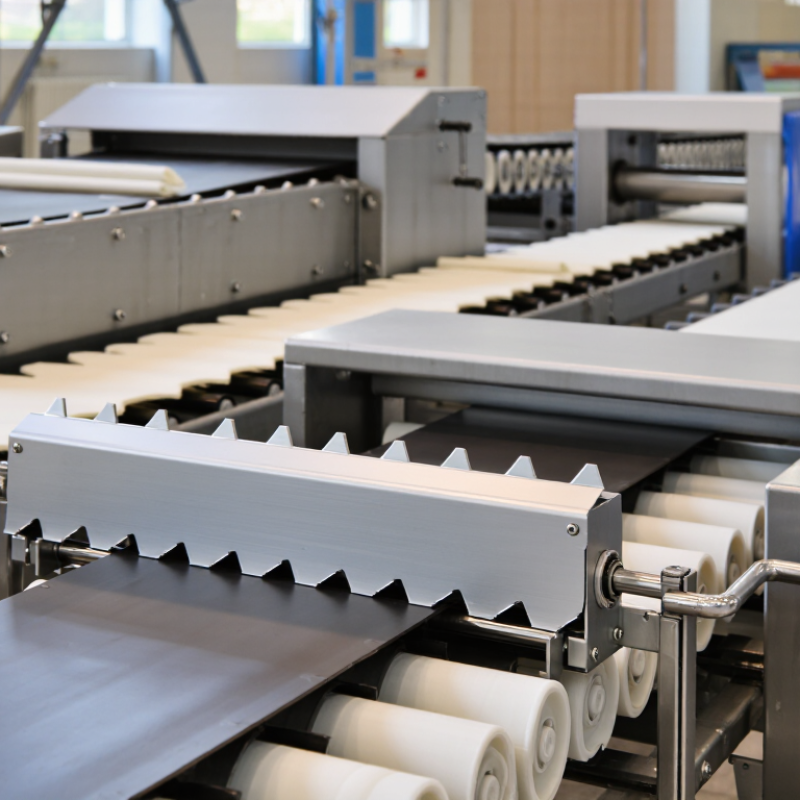
A conveyor cleaner is a tool or system that removes carryback from a moving belt. Carryback is the material left behind after discharge. It may look minor, but it can harden beneath return rollers. Wet residue can also drip onto walkways, frames, and nearby equipment. During practical inspections, these deposits often reveal poor blade contact, incorrect tension, or a worn belt surface. Cleaning is not cosmetic work. It supports safer access, steadier tracking, and more predictable maintenance.
The right cleaner depends on belt type, speed, material, splice design, and operating temperature. A primary cleaner handles heavy carryback near the head pulley. A secondary cleaner removes the thinner film that remains. For textured, chevron, or mechanically spliced belts, excessive pressure can damage surfaces or catch edges. Softer materials may need gentler contact. Abrasive products may require durable blades and frequent inspection. Selection should follow site measurements, not a catalog picture. I have seen systems perform well on paper but fail after moisture, freezing, or a small alignment change. That is worth admitting.
Tips: Check the belt when empty and running. Look for streaks, vibration, noise, and uneven blade wear. Keep a simple inspection log. Replace worn parts before carryback becomes a larger cleanup problem. Do not over-tension the cleaner; contact should be firm, not forced. Verify compatibility with the belt splice and pulley diameter.
2026 Best Conveyor Cleaner for Every Belt Type?
Matching a conveyor cleaner to the belt begins with the belt’s surface, not the cleaner’s price. Rubber belts usually tolerate carbide or polyurethane blades, especially when removing wet mineral carryback. Yet excessive blade pressure can polish the belt and accelerate wear. Check the belt manufacturer’s limits before adjusting tension.
PVC and PU belts need softer, non-marking cleaning materials. A sharp scraper may cut the cover or leave visible lines. For textured belts, a flexible blade can follow small grooves better than a rigid one. Fabric belts require careful pressure control. Loose fibers can catch on poorly aligned cleaners. Keep the contact edge smooth.
Cleated and sidewall belts often work better with segmented blades or rotating brushes. These cleaners can move around profiles instead of forcing against them. Steel belts usually need durable scrapers designed for high temperature and heavy residue. Moisture changes the decision too. A dry cleaner may smear sticky material across the return side.
I inspect the belt after installation, not only during setup. Look for tracking marks, trapped material, and uneven blade wear. Small signs matter. Cleaner selection is not always perfect on the first attempt. Belt speed, splice design, temperature, and material moisture can change performance. Record those observations and adjust gradually. A cleaner that protects the belt while removing carryback is the practical match.
| Belt Type / Surface | Typical Applications | Recommended Primary Cleaner | Recommended Secondary Cleaner | Preferred Contact Material | Key Selection Considerations | Avoid or Use With Caution |
|---|---|---|---|---|---|---|
| Standard smooth rubber belt Textured or lightly patterned cover |
Aggregates, sand, gravel, coal, general bulk materials | Tungsten-carbide-blade cleaner for high carryback loads; urethane blade for moderate-duty service | Segmented urethane or rubber-blade cleaner | Urethane or flexible tungsten-carbide-tipped segments | Match blade pressure to belt cover hardness; use independent segments to follow belt wear and splice irregularities. | Rigid metal blades that can damage the cover or belt splices. |
| Chevron or cleated belt Raised ribs, profiles, or transverse cleats |
Inclined conveying, crushed stone, wood products, agricultural materials | Special-profile cleaner with flexible segmented blades or brush cleaner | Rotary brush or flexible finger-style cleaner, when belt geometry permits | Flexible polyurethane, rubber fingers, or nylon brush filaments | The cleaner must pass over belt ribs without stalling, excessive wear, or loss of contact. | Flat fixed blades and rigid carbide edges that cannot flex around the profile. |
| Corrugated sidewall belt Raised sidewalls and often cleats |
Steep-angle conveying, packaged materials, bulk solids | Flexible brush or segmented cleaner positioned on the carrying surface | Secondary brush or low-pressure flexible blade, if clearance is available | Soft polyurethane, rubber, or nylon bristles | Check sidewall and cleat dimensions, belt return-path clearance, and access for inspection. | Any design that contacts or compresses the sidewalls, cleats, or mechanical fasteners. |
| Food-grade TPU or PVC belt Thermoplastic, nonporous surface |
Food processing, packaging, bakery, confectionery, prepared foods | Hygienic urethane blade or approved belt scraper designed for washdown | Low-shedding urethane blade or sanitary brush | Food-contact-compliant polyurethane or approved hygienic polymer | Use corrosion-resistant frames, cleanable geometry, compatible detergents, and materials permitted for the process. | Uncoated carbon steel, porous materials, lubricants, or blades that shed particles. |
| Wire-mesh or modular plastic belt Open area or hinged modules |
Cooling, washing, drying, frying, and product transfer | Rotary brush, spray bar, or flexible cleaner matched to the belt opening pattern | Secondary brush or air-knife system where permitted by the process | Nylon, approved polymer, or corrosion-resistant flexible elements | Select brush diameter, filament stiffness, and spray pressure according to mesh size and product sensitivity. | Hard blades that catch modules, wires, hinges, or belt edges. |
| Heat-resistant rubber belt Hot material service |
Cement, foundry materials, sinter, clinker, hot aggregates | High-temperature-rated cleaner with thermally suitable blade material | Heat-resistant urethane or rubber secondary cleaner, subject to temperature limits | Temperature-rated polyurethane, rubber, or carbide-tipped segments | Use the continuous and peak belt-temperature ratings of both the belt and cleaner; consider thermal expansion. | Standard low-temperature polymers exposed beyond their rated operating range. |
| Oil-resistant nitrile or specialty rubber belt Oil-contaminated material |
Recycling, oily aggregates, machinery components, industrial materials | Oil-compatible urethane or carbide-tipped primary cleaner | Oil-resistant urethane or rubber secondary cleaner | Chemically compatible polyurethane, nitrile rubber, or tungsten-carbide-tipped segments | Check resistance to oils, solvents, greases, and cleaning chemicals; monitor swelling and softening. | Materials with unknown resistance to the conveyed liquid or cleaning agent. |
| Mechanically fastened belt Metal or plastic fasteners |
Mining, quarrying, bulk handling, temporary or repairable belt systems | Splice-friendly segmented cleaner with controlled tension | Flexible secondary cleaner with independent blade sections | Urethane or flexible carbide-tipped segments designed to release at the splice | Confirm fastener height, splice type, belt direction, and cleaner relief or mechanical-release capability. | Continuous rigid blades and excessive tension that can catch or pull fasteners. |
| Worn, grooved, or heavily uneven belt Irregular cover profile |
Older conveyors, abrasive service, heavily loaded transfer systems | Independently suspended segmented cleaner or flexible finger cleaner | Multi-segment urethane secondary cleaner | Flexible urethane or rubber segments with adjustable pressure | Independent segments maintain contact better than a single rigid blade; inspect belt condition before installation. | High-pressure rigid blades that bridge grooves and accelerate cover wear. |
2026 Best Conveyor Cleaner for Every Belt Type?
Choosing the best conveyor cleaner starts with the belt, not the machine’s price. Rubber belts often need flexible polyurethane blades that follow worn surfaces without cutting them. PVC and modular plastic belts require gentler contact and careful pressure control. A cleaner that works well on one material may create grooves on another.
Blade design matters. Look for adjustable tension, quick replacement, and stable contact across the belt width. Spring tension can absorb small belt movements, while excessive pressure increases wear and power use. I have seen cleaners remove residue effectively during testing, then fail after poor alignment. Small installation errors matter.
Check the cleaner’s resistance to water, heat, oil, and abrasive dust. In wet processing areas, sealed bearings and corrosion-resistant fasteners reduce maintenance problems. For food-related applications, smooth surfaces and easy inspection points support more reliable sanitation routines. Scraper hardness should match the residue: soft blades suit delicate belts, while tougher materials handle dried product and mineral buildup. Not every “universal” cleaner is universal. Measure belt speed, splice type, pulley diameter, and available space before comparing models. A short trial on the dirtiest section may reveal more than a polished specification sheet.
Key features to compare when selecting a primary or secondary conveyor belt cleaner.
The chart uses a practical 1–5 suitability score for common conveyor belt conditions. Polyurethane and tungsten-carbide scrapers generally provide strong cleaning performance, while softer rubber blades are better suited to delicate belts and low-impact applications. Confirm belt-cover compatibility, splice clearance, moisture conditions, temperature, and allowable belt pressure before installation.
Choosing a conveyor cleaner in 2026 starts with the belt, not the catalog. Rubber, PVC, chevron, and cleated belts need different contact profiles. Before installation, isolate power, lock the drive, and confirm zero movement. Remove trapped material with a scraper, never bare hands. Inspect the splice, belt edges, pulley surface, and existing wear. Small defects can make a new cleaner look ineffective. Keep it simple.
Mount the primary cleaner square to the belt path, following the clearance specified for its material and tension system. Use a straightedge across the frame to check alignment. The cleaner should touch consistently without digging into the belt. For textured or cleated belts, allow the belt profile to pass freely. Set the secondary cleaner after the first contact point. Leave enough room for captured fines to fall away. Tighten fasteners evenly. Then rotate the belt by hand, if safe, and check for interference. A short controlled trial reveals more than guesswork.
During operation, watch the discharge area for carryback, dust, vibration, or a polished line on the belt. These signs may indicate poor tension, misalignment, or excessive pressure. Clean the blade or brush daily in heavy-duty service, and inspect it at every planned shutdown. Replace worn segments before the support frame contacts the belt. Record belt speed, material moisture, cleaner position, and adjustment dates. I have found that operators often tighten a cleaner when tracking is the real problem. That shortcut costs performance. Check it again. Review the setup after rain, product changes, or splice repairs, because conditions rarely stay constant.
In 2026, the best conveyor cleaner depends on belt cover, material, speed, and moisture. A cleaner for dry limestone may struggle with sticky clay. The belt tells the truth.
Safety must lead the selection. The U.S. Bureau of Labor Statistics recorded 5,283 fatal work injuries in 2023. Its data does not isolate conveyor cleaners, but it reinforces the danger around moving equipment. CEMA guidance recommends effective carryback control, proper guarding, and safe access for inspection. A cleaner should reduce buildup without encouraging workers to reach near the belt. Small design details matter.
Performance is more than removing visible dirt. The cleaner should maintain contact across the belt width, tolerate tracking changes, and avoid damaging splices. CEMA’s Belt Conveyors for Bulk Materials explains how carryback increases cleanup demands and can affect conveyor operation. For wet materials, a secondary cleaner may improve results. For abrasive loads, excessive pressure can shorten belt life. That trade-off is easy to miss.
Cost needs a wider lens. The U.S. Department of Energy reports that compressed-air systems commonly lose 20–30% through leaks and poor maintenance. Pneumatic cleaning may therefore carry hidden energy costs. Compare purchase price, blade life, downtime, labor, and disposal needs. A cheaper cleaner can become expensive after repeated adjustments. No selection is perfect. Field trials, inspection records, and honest maintenance feedback should shape the final decision.
A conveyor cleaner removes carryback from a moving belt after discharge. Carryback may harden beneath return rollers. Wet residue can drip onto walkways, frames, and nearby equipment.
Cleaning supports safer access, steadier tracking, and more predictable maintenance. It also reduces buildup around rollers and conveyor structures. It is not merely cosmetic work.
Consider belt type, speed, material, splice design, moisture, and operating temperature. Site measurements matter more than a catalog picture. The belt tells you.
A primary cleaner removes heavy carryback near the head pulley. A secondary cleaner removes the thinner film left behind. Wet materials may need both systems.
Yes, excessive pressure can damage textured, chevron, or mechanically spliced belts. It may also shorten belt life with abrasive materials. Contact should be firm, not forced.
Check the belt empty and running. Look for streaks, vibration, noise, and uneven blade wear. Record findings in a simple inspection log.
Effective cleaning reduces buildup and helps maintain safer access around the conveyor. Workers should not reach near moving equipment. Guarding and controlled inspection remain essential.
Not necessarily. Compare blade life, downtime, labor, energy use, and disposal needs. A low purchase price may become expensive after repeated adjustments. No selection is perfect.
Choosing the best Conveyor Cleaner in 2026 starts with understanding how belt cleaning supports safer, more efficient material handling. A properly selected cleaner removes carryback, reduces dust and spillage, protects pulleys and transfer points, and helps extend belt service life. Because conveyor belts differ in material, surface texture, width, speed, and operating conditions, the cleaner should match the belt type and application rather than follow a one-size-fits-all approach.
Important comparison factors include cleaning effectiveness, blade or brush design, wear resistance, adjustment flexibility, compatibility with belt splices, and ease of replacement. Correct installation is essential, followed by regular inspection, tension checks, cleaning, and timely replacement of worn components. Selection should also consider worker safety, stable performance, energy and maintenance costs, and the long-term value of reduced downtime. By balancing these factors, operators can choose a reliable cleaning solution that improves conveyor performance while supporting efficient and responsible operation.
