HESPER
In today's fast-paced industrial landscape, the importance of efficient cleaning solutions cannot be overstated. Conveyor systems play a pivotal role in material handling across various sectors. According to a recent report by Grand View Research, the global conveyor systems market is expected to reach $7.7 billion by 2027. This projection indicates a significant demand for effective **Conveyor Cleaner** solutions that can maintain these essential systems.
As industries prioritize health and safety, the need for a cleaner, dust-free environment intensifies. Effective Conveyor Cleaners not only enhance operational efficiency but also reduce potential hazards associated with dirt and debris build-up. The industry faces challenges in balancing cleaning efficacy with downtime minimization. A well-designed conveyor system may require regular maintenance, yet this can interrupt productivity.
While many solutions exist, businesses must be critical when selecting the best options. Identifying the right **Conveyor Cleaner** solution is essential for success. The available choices range in complexity and cost, and making an informed decision is vital. Companies should consider factors like cleaning efficiency, ease of use, and environmental impact as they navigate this market.
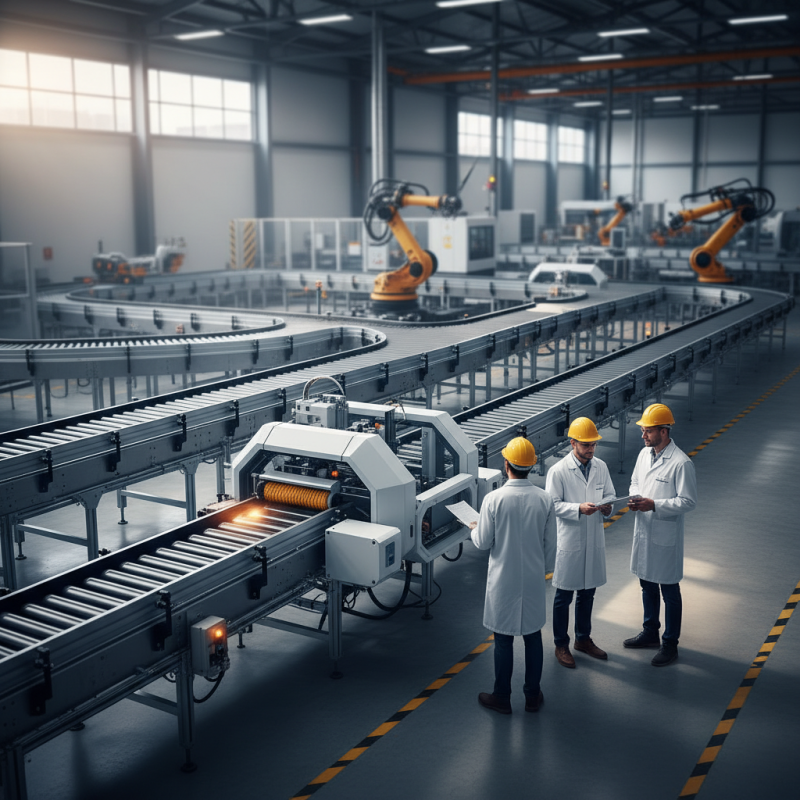
In 2026, conveyor cleaner technologies are poised for significant advancements. With rising demands for hygiene and efficiency in manufacturing, innovative solutions are critical. According to recent market analysis by Grand View Research, the global conveyor systems market is expected to reach $XX billion by 2028, reflecting an increasing need for effective maintenance solutions.
One emerging technology is the automated self-cleaning conveyor system, designed to reduce labor costs and improve safety. These systems minimize downtime, allowing businesses to maintain productivity while ensuring hygiene standards. However, the challenge remains in the upfront investment required for these technologies. Facilities must weigh this against long-term savings and benefits.
Tips: Regularly assess your current cleaning methods. Consider hybrid solutions that combine traditional cleaning with automation. Implementing gradual upgrades may ease budget strains. Remain attentive to industry developments, as market desires shift rapidly. Data from industry reports indicates a 40% rise in operational efficiency with modernized cleaning technologies. This change may encourage others to adapt, creating a ripple effect across sectors.
When searching for conveyor cleaning solutions, several key features should be your focus. Efficient cleaning mechanisms are essential. Look for solutions that offer adjustable brushes or wipers. This flexibility allows you to customize cleaning intensity based on the material being processed. Easy maintenance is another critical aspect. If a solution can be disassembled quickly for cleaning, it saves time and increases overall efficiency.
Tips: Consider the ease of access for maintenance. Solutions with user-friendly designs can significantly reduce downtime. Also, think about how these systems fit into your existing conveyor setup. Compatibility can avoid further complications down the line.
Another feature to assess is the safety of the cleaning solution. Automatic shut-off mechanisms can prevent accidents, ensuring operator safety. Additionally, environmentally-friendly cleaning options are worth considering. These solutions offer effective cleaning without harmful chemicals. Regularly evaluate your current cleaning processes, too. This reflection helps identify what works and what doesn’t.
Tips: Keep track of your cleaning performance. Data-driven analysis provides insights into improvement areas. Engage your team in discussions about cleaning efficiency; their firsthand experiences can offer valuable feedback.
| Feature | Description | Effectiveness | Maintenance Ease | Cost Efficiency |
|---|---|---|---|---|
| Automation | Integrates automatic cleaning cycles with sensors to detect dirt. | High | Moderate | High |
| Eco-Friendly Solutions | Uses biodegradable cleaning agents and reduces water usage. | Moderate | High | Moderate |
| Customizable Settings | Allows users to set different cleaning cycles based on conveyor use. | High | Easy | Flexible |
| Safety Features | Includes emergency shut-off systems and non-toxic cleaners. | Very High | Easy | High |
| Durability | Designed with long-lasting materials suitable for harsh environments. | High | Moderate | Long-term cost saving |
In the world of manufacturing, conveyor systems are essential. However, maintaining cleanliness on these systems can be a challenge. A recent industry report shows that over 25% of production downtime is attributed to dirty conveyors. Selecting the right cleaner can greatly reduce this issue.
When comparing conveyor cleaner brands, factors such as effectiveness, environmental impact, and ease of use are crucial. Brands that focus on eco-friendly formulas are gaining traction, as sustainability becomes a priority in manufacturing. Data indicates that companies using biodegradable cleaners see a 15% increase in operational efficiency. This highlights the need for smart choices when selecting solutions.
Tip: Regularly assess your conveyor cleaning practices. Look for solutions that are not only effective but also support your company’s sustainability goals. It’s important to stay open to feedback from employees who operate these systems daily.
While finding the best cleaner may seem straightforward, some products often don’t deliver as promised. Engaging with industry professionals and reading up-to-date reviews can be beneficial. Being wary of marketing jargon is key. Real-world performance should always be the priority.
The importance of sustainability in conveyor cleaning solutions cannot be overstated. As industries grow, so do their environmental impacts. Choosing eco-friendly cleaning methods is essential. This not only conserves resources but also enhances a company's reputation.
Tips: Look for biodegradable cleaning agents. They break down naturally, reducing chemical waste. Regular maintenance routines can also minimize resource use and prolong equipment life.
Sustainable practices in conveyor cleaning can sometimes be overlooked. Many companies may opt for quick fixes that may harm the environment. It's crucial to evaluate the lifecycle of cleaning products. Consider energy-efficient equipment as well. These changes can lead to long-term savings.
Tips: Train staff on sustainable practices. Educating employees fosters a culture of responsibility. Simple actions, like using less water, can make a significant difference. Focus on continuous improvement and assess the environmental impact regularly.
As industries grow, so does the need for efficient conveyor cleaning technologies. The future trends point towards automated systems equipped with advanced sensors. These sensors can detect dirt accumulation in real-time, enhancing cleaning precision. This shift towards automation reduces labor costs and improves safety by minimizing manual tasks.
Another significant trend is the integration of eco-friendly cleaning agents. These agents ensure cleaning effectiveness without harming the environment. Companies are under pressure to adopt sustainable practices. However, many may still struggle with compliance in regulations. Industry experts advocate for continuous innovation to address these challenges.
Developing hybrid systems that combine traditional cleaning methods with new technologies is also emerging. This approach allows for flexibility in various settings. Yet, it may lead to complexity in maintenance routines. Companies must evaluate their specific needs carefully. Balancing cost and performance remains a tricky puzzle for many industries.
: Focus on efficient cleaning mechanisms, adjustable brushes, and easy maintenance.
Quick disassembly for cleaning saves time and increases overall efficiency.
Look for automatic shut-off mechanisms to prevent accidents and ensure safety.
Yes, they provide effective cleaning without harmful chemicals and support sustainability goals.
Keep track of cleaning performance and reflect on what methods work best.
Engaging team discussions about their experiences can highlight areas for improvement.
The shift towards automation with advanced sensors for real-time dirt detection is significant.
Many businesses find it challenging to follow regulations while adopting sustainable practices.
They may complicate maintenance routines despite offering flexibility.
Engage with professionals, read reviews, and prioritize real-world performance over marketing claims.
The article titled "2026 Best Conveyor Cleaner Solutions for Global Buyers" delves into the latest advancements and technologies in conveyor cleaning solutions. It highlights innovative conveyor cleaner technologies set to dominate the market in 2026, emphasizing the key features buyers should consider when selecting these solutions. The comparative review of top conveyor cleaner brands offers insights into their performance and effectiveness, aiding companies in making informed choices.
Additionally, the article discusses sustainability considerations, showcasing eco-friendly practices and materials within the conveyor cleaning industry. It also forecasts future trends that will shape conveyor cleaning technologies, ensuring they meet the evolving demands of global markets. Overall, the insights provided guide buyers in selecting optimal conveyor cleaner solutions while being mindful of environmental impacts.
