
HESPER HESPER

2026 Best Corrugated Compensator Buying Guide for Global Importers

Time:2026-06-22 Author:Sophia
0%

In the diverse world of industrial components, choosing the right product is crucial. The Corrugated Compensator stands out for its flexibility and durability. Designed to absorb thermal expansion and movement, it plays a vital role in many applications. However, selecting the best option in 2026 can be challenging.

Importers must consider various factors. Quality and reliability are paramount. A poor choice can lead to system failures. This guide offers insights to help navigate the complex market of Corrugated Compensators. Buyers should focus on reputable manufacturers known for their expertise. Look for certifications and industry standards that signal quality.

It’s essential to reflect on your unique needs. What is the operational environment? What kind of pressure will the compensator face? These questions help identify the right specifications. This journey isn’t just about the lowest price. It’s about making an informed decision that stands the test of time.
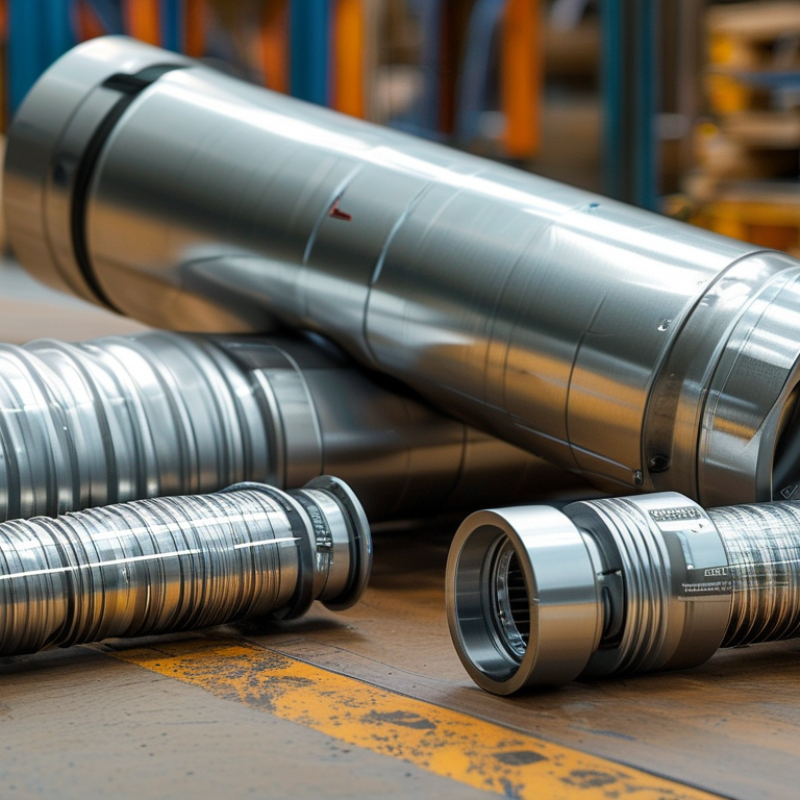
2026 Best Corrugated Compensator Buying Guide for Global Importers

Understanding Corrugated Compensators: Definition and Functionality

Corrugated compensators play a crucial role in various piping systems. They feature a flexible design that absorbs vibration and compensates for thermal expansion. These components are essential in industries like oil, gas, and chemical processing. Understanding their functionality can help importers make informed decisions.

When selecting a corrugated compensator, consider the materials used. Stainless steel or special alloys provide better resistance to corrosion. Check the temperature range these compensators can handle. This ensures they will perform effectively in your specific application.

Tips: Always measure the installation space accurately. This will help avoid any fitment issues. Regular maintenance checks are vital to ensure long-term performance. Replace any worn-out parts promptly to maintain system integrity. Remember, even small flaws can lead to significant problems later.

Key Factors to Consider When Buying Corrugated Compensators

When purchasing corrugated compensators, several factors warrant careful consideration. Material quality is paramount. Look for durable materials that withstand temperature changes. Corrosion resistance is vital too. Compensators face harsh environments. High-quality materials ensure longevity and performance.

Next, focus on size and dimensions. The right fit is crucial for functionality. Incorrect sizing can lead to system failures or leaks. Measurements must align with your specific application needs. Don't overlook flexibility as well. A compensator should adapt to movement without compromising integrity.

Finally, consult industry experts when necessary. Their experience can provide insights into reliable suppliers and best practices. However, ensure you assess multiple perspectives. Everyone’s needs vary, and what works for one might not suit another. Taking a thoughtful approach reduces mistakes and enhances your decision-making process.

Types of Corrugated Compensators and Their Applications in Industries

Corrugated compensators play a vital role in various industries. These components are designed to absorb movements, vibrations, and thermal expansion in piping systems. Their unique design allows for flexibility, making them essential for maintaining system integrity. In the automotive sector, they help manage exhaust and intake systems, preventing damage caused by temperature fluctuations.

Different types of corrugated compensators are suited for specific applications. For instance, bellows made from stainless steel are ideal for high-temperature environments, commonly found in power plants. In contrast, rubberized options are preferable for lower temperatures. This selection reflects the need for durability and reliability, critical in industrial settings. However, choosing the right type isn't always straightforward, and improper selection can lead to premature failure.

Many engineers overlook the impacts of environmental factors on compensator performance. For example, moisture can degrade certain materials faster than anticipated. Regular maintenance checks can address unexpected wear and tear. Understanding these nuances is essential for maximizing the longevity and functionality of corrugated compensators in any application.

Top Manufacturers and Brands of Corrugated Compensators Worldwide

When searching for the best corrugated compensators, global importers must consider multiple factors. Understanding manufacturers and brands is crucial. These companies vary in expertise and technology. Some focus on innovative designs, while others prioritize traditional methods. Each approach offers unique benefits to different applications.

Leading manufacturers often have extensive experience in this field. Their products should meet industry standards, ensuring reliability. Importers need to verify certifications and test results. Engaging with representatives can provide insights into production processes and quality control. It’s essential to ask detailed questions to gauge their expertise.

Choosing the right brand can be challenging. Some brands excel in specific applications, while others may lack versatility. A detailed comparison of features, costs, and reviews can help. Importers should also be prepared for occasional unmet expectations. Not every compensator will perform flawlessly. Reflecting on past experiences can lead to better purchasing decisions in the future.

2026 Best Corrugated Compensator Buying Guide for Global Importers

Type Material Size (Inches) Pressure Rating (psi) Temperature Range (°C) Application
Single Arch Stainless Steel 6 x 4 150 -20 to 120 Industrial Piping
Double Arch PVC 8 x 6 200 -10 to 80 Oil and Gas
Multi Arch Rubber 10 x 8 250 -30 to 100 Chemical Processing
Universal Joint Alloy Steel 12 x 10 300 -40 to 150 HVAC Systems

Import Regulations and Compliance for Global Buyers of Corrugated Compensators

When importing corrugated compensators, understanding regulations is crucial. Many countries have specific standards. These regulations ensure product safety and compatibility. They protect both consumers and businesses. Ignoring compliance can lead to costly delays. Importers must stay informed.

Before making a purchase, research local laws. Check if certifications are needed. Ensure that all documents are accurate. Missing paperwork can complicate the process. Be aware of potential customs duties. These fees affect overall costs. An unprepared importer might face unexpected challenges.

Communication with suppliers is essential. Ask about their compliance with regulations. Are they familiar with your country's requirements? A reliable supplier will provide clear documentation. Building a strong relationship can alleviate stress. Take the time to understand everything. It's a learning opportunity to improve future imports.

FAQS

: What are corrugated compensators used for?

: They absorb vibration and compensate for thermal expansion in piping systems.

Why is material quality important for corrugated compensators?

High-quality materials resist corrosion and withstand temperature changes, ensuring longevity.

What should I consider when measuring for installation?

Accurate measurements prevent fitment issues and future system failures.

How can I ensure my corrugated compensator functions correctly?

Regular maintenance checks and prompt replacement of worn-out parts are essential.

What regulations should I be aware of when importing?

Different countries have specific standards for safety and compliance that must be followed.

How do I handle customs fees when importing?

Be prepared for potential customs duties that can add to overall costs.

Why is supplier communication vital?

Clear communication about compliance ensures all necessary documentation is accurate.

Should I consult experts before buying?

Yes, industry experts can offer valuable insights but consider multiple perspectives.

What happens if my compensator isn’t the right size?

Incorrect sizing can lead to leaks or system failures, causing significant issues.

Are there risks in overlooking maintenance?

Yes, ignoring regular checks may result in small flaws leading to bigger problems later.

Conclusion

The "2026 Best Corrugated Compensator Buying Guide for Global Importers" serves as a comprehensive resource for understanding corrugated compensators, their functionality, and their significance in various industries. The guide begins by defining what corrugated compensators are and how they contribute to efficient system operations, especially in applications requiring flexibility and movement accommodation.

When considering the purchase of corrugated compensators, several key factors must be taken into account, including the material, size, and pressure ratings. The article further explores different types of corrugated compensators and their specific applications across industries such as manufacturing, energy, and construction. Additionally, it emphasizes the importance of adhering to import regulations and compliance standards, ensuring that global buyers are well-informed to make safe and effective purchasing decisions when sourcing corrugated compensators.

Sophia

Sophia

Sophia is a dedicated marketing professional with an exceptional depth of knowledge about her company's products and services. With a keen understanding of market trends and customer needs, she crafts insightful blog posts that not only inform but also engage readers, enriching the company’s online......