HESPER HESPER

2026 Best Hose Fittings for Global Buyers to Consider?

Time:2026-08-13 Author:Isabella
0%

In the evolving world of industrial components, Hose Fittings play a crucial role. Industry expert Dr. John Markson states, “Choosing the right Hose Fittings can transform efficiency.” His insights highlight the importance of compatibility and quality in selection. As global buyers prepare for 2026, understanding the market dynamics becomes essential.

Hose Fittings come in various materials and designs. The right choice can enhance performance and durability. Buyers should not overlook manufacturer reputation. Low-quality fittings may lead to leaks and equipment failures. Such issues can be costly and time-consuming. The complexity of these decisions may challenge even experienced professionals.

As the industry adapts to new technologies, buyers must stay informed. Emerging materials may promise better performance but require careful evaluation. Continuous learning and expert guidance are paramount. Choosing Hose Fittings is not merely a task; it reflects a commitment to quality and reliability in operations.
2026 Best Hose Fittings for Global Buyers to Consider?

Overview of Hose Fittings: Importance and Applications

Hose fittings are essential components in various industries, including agriculture, construction, and manufacturing. They serve as connectors between hoses and equipment, ensuring fluid transfer. According to a report by Grand View Research, the global hose fittings market is projected to reach $3.2 billion by 2025, driven by increasing industrial activities.


Proper hose fittings enhance efficiency and safety. In agriculture, for instance, connectors help manage water flow in irrigation systems. The American Society for Testing and Materials (ASTM) emphasizes the importance of using quality fittings to prevent leaks and contamination. Moreover, improper selection of materials can lead to failure. Many industries overlook these details, which can be detrimental.


Durability is another crucial factor. Rubber and metal fittings vary in lifespan and usage. A study by the Hydraulic Institute found that incorrect fittings can reduce equipment lifespan by up to 30%. Awareness of these factors is vital for professionals involved in machinery maintenance. Reflecting on past experiences, it's clear that neglecting quality standards can result in costly repairs and downtime.

Types of Hose Fittings: An In-Depth Comparison

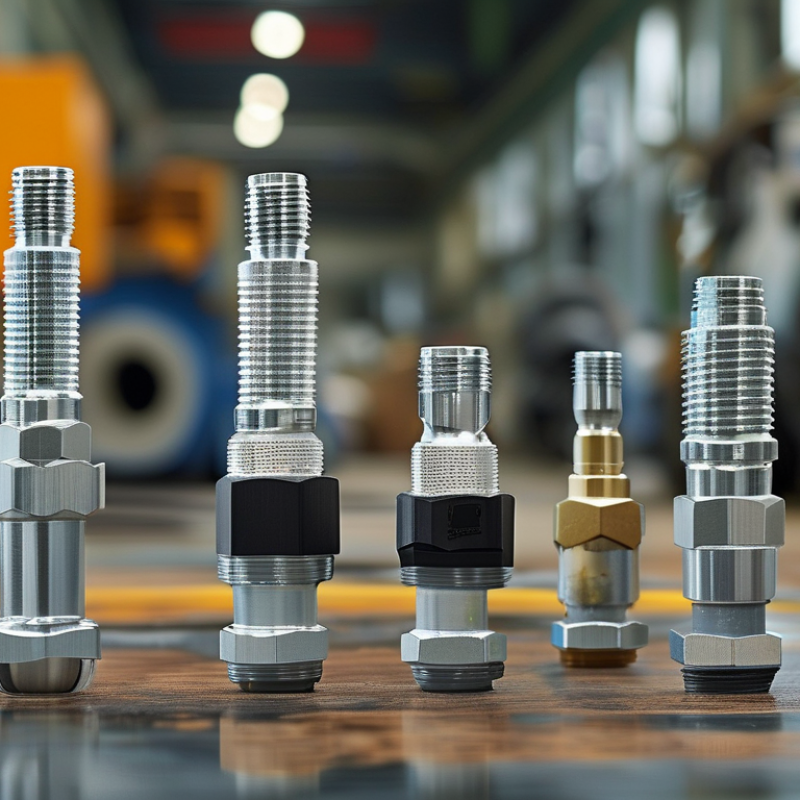
When considering hose fittings, understanding the types available is crucial for global buyers. This comparison reveals essential features. Brass fittings stand out for their durability and corrosion resistance. Studies indicate that up to 60% of industrial applications prefer these due to longevity. However, they can be costly upfront.

Plastic hose fittings offer a different edge. They are lightweight and resistant to chemicals. According to a recent report, around 25% of buyers opt for plastic for lighter-duty applications. Yet, they may fail under high pressure, an important factor to weigh. Choosing between these materials requires careful consideration.

Stainless steel fittings provide a balance of strength and resistance. They are particularly favored in industries handling harsh environments. Yet, their higher price point could deter some purchasers. The industry suggests that nearly 15% of buyers are willing to invest more for performance. This choice brings efficiency but also poses budget dilemmas. Buyers need to evaluate their immediate and long-term needs before committing.

Key Features to Look for in High-Quality Hose Fittings

When choosing high-quality hose fittings, several features are essential to consider. Material quality is a key factor. Brass, stainless steel, and high-grade plastic options are popular. Brass alloy fittings resist corrosion and provide durability. Stainless steel options are ideal for high-pressure applications. However, some plastics can work well for lighter tasks. Always evaluate the material based on your specific needs.

Another critical aspect is the connection type. Common options include threaded, barbed, and quick-connect fittings. Threaded fittings provide a secure seal, making them ideal for high-pressure systems. Barbed fittings offer flexibility and ease of installation. Quick-connect fittings allow for rapid changes, saving time during fluid transfer. Additionally, check the size and compatibility with your hoses. An ill-fitting fitting can cause leaks and damage.

Attention to detail matters when selecting hose fittings. Some buyers overlook the importance of a good seal. This can lead to leaks that compromise the entire system. It's vital to pay attention to manufacturing standards. Ensuring that the fittings meet global quality benchmarks can save you trouble. You may find that less expensive options create more problems than they solve. Consider the long-term implications of your choices for reliable performance.

Top Manufacturers and Brands for Hose Fittings in 2026

The demand for hose fittings is on the rise globally. Industry reports indicate that the market is projected to grow substantially by 2026. Analysts suggest that the global market could surpass $15 billion by then. This growth is driven by various sectors, including agriculture, construction, and manufacturing.

Top manufacturers in the hose fittings industry are prioritizing innovation and quality. They are investing heavily in advanced materials and technology. A focus on durability and performance is essential for meeting customer expectations. However, some manufacturers struggle with supply chain issues, which can affect delivery times and overall reliability.

Moreover, many brands are exploring sustainable solutions. This shift is crucial as environmental concerns rise. Some composite materials can reduce the carbon footprint of hose fittings. Yet, not all companies have adapted. It highlights a gap in the industry that requires attention and improvement. Collaboration among manufacturers could foster better practices and drive overall success.

2026 Best Hose Fittings: Market Analysis

Global Market Trends and Buying Considerations for Hose Fittings

In recent years, the global hose fittings market has experienced significant growth, driven by increasing demand from various industries. According to a recent market analysis, the market size was valued at approximately $8 billion in 2022 and is expected to grow at a CAGR of nearly 6% through 2026. This trend highlights the importance of industry adaptations. Buyers must pay attention to these shifts to make informed purchasing decisions.

One critical consideration for buyers is material selection. Hose fittings are primarily made from brass, stainless steel, and plastic. Each material has distinct properties that influence durability and corrosion resistance. For example, brass fittings excel in low-pressure applications, while stainless steel suits high-pressure environments. Reliable data shows that 40% of buyers prioritize material strength when selecting hose fittings, reflecting their impact on long-term performance.

In addition to materials, the compatibility of fittings with specific hoses is essential. Ill-fitting connectors can lead to leaks and operational failures. It's reported that improper fittings account for nearly 30% of equipment malfunctions in industrial settings. Buyers must ensure compatibility, yet many overlook this vital consideration. These insights reveal the need for a deeper understanding of technical specifications, reinforcing the importance of knowledge in choosing the right hose fittings.

2026 Best Hose Fittings for Global Buyers to Consider

Hose Fitting Type Material Connection Type Pressure Rating (psi) Global Market Availability
Barbed Fittings PVC Barbed 150 Worldwide
Swivel Joints Stainless Steel Swivel 3000 Global
Camlock Fittings Aluminum Camlock 400 International
Threaded Fittings Brass Threaded 1500 Widely Available
Push-to-Connect Fittings Nylon Push-fit 250 Global Market

FAQS

: What materials are best for hose fittings?

: Brass, stainless steel, and high-grade plastic are popular choices. Each offers unique benefits based on usage.

Why is connection type important in hose fittings?

Connection types like threaded, barbed, and quick-connect affect security and ease of installation. Choose based on your needs.

How can a poor seal impact hose fittings?

A weak seal can cause leaks, leading to system failures. Always check the quality of the seal when purchasing.

What should I consider about size and compatibility?

Ensure fittings match your hoses. An incorrect size can lead to leaks and further damage to your system.

Are all hose fittings created equally?

No, quality varies. Cheap options often create more problems than they solve. Long-term reliability is crucial.

How is the hose fitting market expected to change by 2026?

The market could grow beyond $15 billion. Demand from agriculture and construction is driving this change.

What challenges do manufacturers face?

Many struggle with supply chain issues. This affects delivery times and customer reliability.

Is sustainability a concern in hose fittings?

Yes, many brands are exploring sustainable materials. However, not all have adapted, revealing industry gaps.

How can I evaluate the quality of hose fittings?

Check manufacturing standards and material quality. Ensure it meets global benchmarks for optimal performance.

What role does innovation play in manufacturing hose fittings?

Innovation is vital for improving durability and performance. It helps meet rising customer expectations effectively.

Conclusion

Hose fittings are essential components in various industries, offering critical connections between hoses and other equipment. Their importance cannot be overstated, as they ensure fluid transfer in applications ranging from agriculture to manufacturing. This article delves into the different types of hose fittings, providing an in-depth comparison to help global buyers make informed decisions.

Key features to look for include durability, compatibility with various hose materials, and ease of installation. As the market evolves, understanding the latest trends and buyer considerations is crucial for selecting high-quality hose fittings from reputable manufacturers. With a focus on performance and reliability, buyers can enhance their operations by choosing the right hose fittings for their needs in 2026.

Isabella

Isabella

Isabella is a dedicated marketing professional with a sharp focus on driving brand growth and engagement through strategic content creation. With an extensive background in digital marketing, she combines her passion for storytelling with her keen understanding of industry trends to deliver......