HESPER
The demand for Metal Hose products continues to grow as industries seek reliable solutions for their fluid transfer needs. According to a recent market analysis, the global metal hose market is projected to reach USD 1.5 billion by 2026, driven by sectors such as oil and gas, chemical processing, and manufacturing. This reflects an increasing reliance on durable and flexible hose systems that can withstand extreme conditions.
Metal hoses offer various advantages, including resistance to temperature fluctuations and superb durability. They are essential components in applications where safety and reliability cannot be compromised. Reports indicate that improper hose selection can lead to failures, resulting in hazardous situations and costly downtime. Therefore, understanding the various options available in the market is crucial for buyers.
As the industry evolves, buyers should recognize the importance of choosing the right Metal Hose for specific applications. Expert insights reveal that not all hoses are created equal. Some may not perform well in high-pressure scenarios or harsh environments. Buyers must weigh these factors carefully to make informed decisions that prioritize safety and effectiveness.
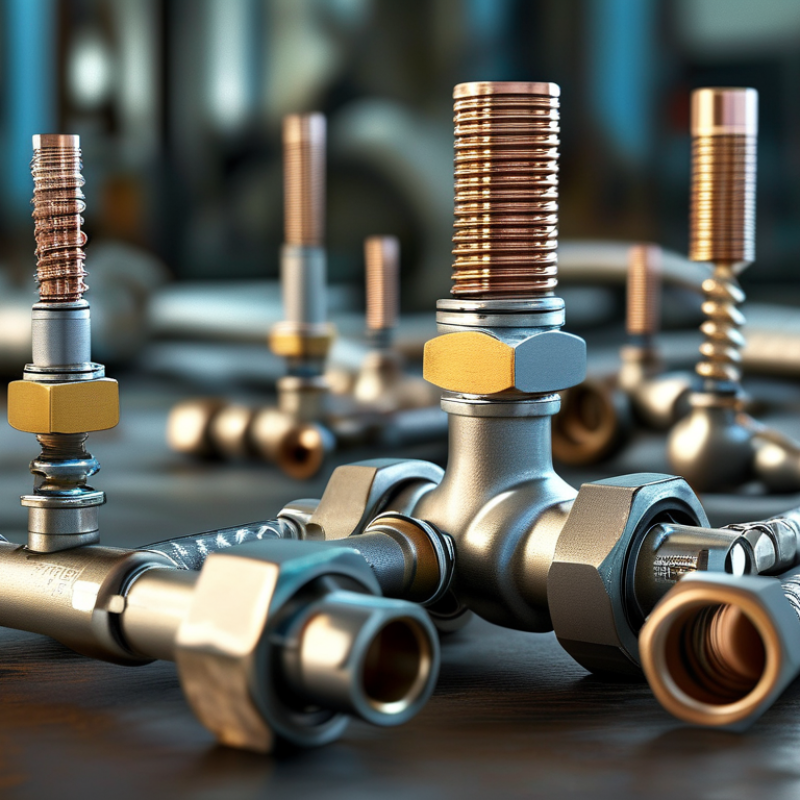
Metal hoses serve various industrial applications. Their flexibility and strength make them suitable for transferring liquids and gases. Industries use them in high-pressure and high-temperature environments. These attributes help prevent leaks and ensure safety. A strong metal hose can handle different materials. This versatility is vital in settings like chemical plants and power generation.
Metal hoses are also used in more specialized applications. They can absorb vibrations from machinery. This capability reduces the risk of damage over time. However, improper installation can lead to failures. It is crucial to follow guidelines for specific environments. Ensuring proper fittings and seals is necessary to maintain functionality. Minor mistakes can result in significant costs.
Selecting the right type of metal hose requires expertise. Users must consider the environment and material being transferred. Regular maintenance is essential for optimal performance. Over time, wear and tear can compromise integrity. Understanding these factors aids in making informed choices. Reliable connections and quality materials are fundamental. Working with experienced professionals can mitigate risks.
When selecting metal hoses, several key features must be considered. First, the material plays a critical role. Most hoses are made from stainless steel, which offers corrosion resistance and durability. According to industry reports, stainless steel hoses can withstand temperatures ranging from -40°C to 600°C. This broad temperature range is essential for various applications in different environments.
Another crucial factor is the hose's flexibility. A flexible hose can accommodate movement and vibration in systems. Rigid designs may lead to fatigue and eventual failure. Reports indicate that the flexibility can reduce installation complexities, making maintenance easier. Additionally, the hose’s diameter and flow characteristics must match the systems they will serve. A mismatch may result in reduced efficiency.
Pressure rating is also vital. Metal hoses can often handle pressures up to 5,000 psi, making them suitable for high-pressure applications. However, exceeding this limit can lead to catastrophic failures. Buyers should evaluate the operational parameters carefully. Understanding these factors can help in selecting the right metal hose for specific needs, ensuring reliability and safety in their applications.
When exploring the metal hose market, it is crucial to understand the key players involved. Leading manufacturers often emphasize craftsmanship and product longevity. They design hoses for various applications, including automotive, industrial, and even aerospace. Understanding the diverse needs of these sectors helps buyers make informed choices.
Top brands typically prioritize quality materials. They often use stainless steel and other alloys. Durability is essential for these products. Customers value reliability, especially under extreme conditions. Many users report that lower-quality hoses can fail unexpectedly, leading to costly repairs. Investing in reputable manufacturers might help avoid such issues.
Buyers should also consider production processes. Not all manufacturers adopt the same standards. Some may cut corners to reduce costs. This can affect performance and safety. Researching and comparing different brands is essential. User reviews can provide valuable insights into long-term experiences with specific products.
The future of metal hose technology is being shaped by several key trends. One major trend is the increasing demand for flexibility and adaptability. Manufacturers are focusing on producing hoses that can withstand various environmental conditions while maintaining their durability. This flexibility is crucial in industries where applications can change rapidly.
Another trend is the use of advanced materials. Innovations in materials, such as high-performance alloys and polymers, enhance the strength and corrosion resistance of metal hoses. These materials not only improve longevity but also reduce maintenance needs. However, there are challenges too; ensuring these materials are cost-effective remains a hurdle.
Sustainability is also influencing metal hose design. Companies are exploring ways to minimize their carbon footprint. Using recycled materials and adopting eco-friendly manufacturing processes are steps in this direction. Despite these advancements, the industry still faces questions about scalability and impact. As we look to 2026, the evolution of metal hoses will require constant adaptation and reflection on these trends.
| Product Type | Material | Inner Diameter (mm) | Operating Pressure (bar) | Temperature Range (°C) | Applications |
|---|---|---|---|---|---|
| Flexible Metal Hose | Stainless Steel | 25 | 20 | -200 to 400 | Oil and Gas |
| Metal Hose Assembly | Copper | 20 | 30 | -50 to 300 | Chemical Processing |
| Metal Corrugated Hose | Alloy Steel | 15 | 25 | -100 to 500 | Aerospace |
| High-Pressure Metal Hose | Inconel | 30 | 65 | -250 to 800 | Power Generation |
When selecting metal hoses, global buyers must consider several crucial factors. The material's quality is paramount. Look for hoses made of durable alloys that can withstand pressure and temperature variations. A reputable supplier will provide certifications to ensure the product meets industry standards.
Another vital aspect is the hose's flexibility. A flexible design allows for easier installation in tight spaces. It can reduce the risk of damage during operation. Buyers should also consider the internal diameter. A suitable diameter ensures optimal flow rates for various applications.
Tips to remember:
- Always ask for product samples before finalizing a purchase. This allows you to assess the quality firsthand.
- Check customer reviews and testimonials. This gives insight into the product's performance over time.
Be cautious with pricing. Extremely low prices can indicate inferior quality. Balance cost with reliability to make an informed decision.
: Metal hoses are used in various industries, including chemical plants and power generation. They handle liquids and gases effectively.
Their flexibility and strength prevent leaks in high-pressure and high-temperature environments. This ensures safety in applications.
Improper installation can lead to failures and costly repairs. Following installation guidelines is essential for functionality.
The material, often stainless steel, impacts durability and corrosion resistance. It influences the hose's temperature range as well.
Flexible hoses accommodate movement and vibrations, reducing the risk of fatigue. Rigid hoses may lead to premature failures over time.
Metal hoses can handle up to 5,000 psi. Exceeding this limit risks catastrophic failures, making pressure ratings crucial for safety.
Increasing flexibility and the use of advanced materials are key trends, improving durability and reducing maintenance requirements in the industry.
Companies are focusing on eco-friendly materials and processes. However, challenges like cost-effectiveness still need addressing.
Regular checks for wear and tear are crucial. Neglecting maintenance can compromise the integrity and safety of the hoses.
The industry struggles with material cost-effectiveness and scalability. Continuous reflection on these challenges is necessary for future evolution.
This article provides a comprehensive overview of metal hose products, highlighting their diverse applications across various industries. Metal hoses are known for their durability, flexibility, and resistance to extreme temperatures and pressures, making them ideal for use in challenging environments. When selecting metal hoses, buyers should consider key features such as material composition, size, pressure rating, and specific connection types to ensure optimal performance for their needs.
Furthermore, the article discusses the current trends shaping metal hose technology, including advancements in manufacturing processes and increasing demand for customized solutions. For global customers, the buying guide offers crucial insights into what to look for when purchasing metal hoses, emphasizing the importance of quality, certifications, and supplier reliability. By understanding these factors, buyers can make informed decisions and choose the best metal hose products for their applications.
