HESPER HESPER

Top Benefits of Ceramic Lined Rubber Hose for Global Buyers?

Time:2026-06-29 Author:Ethan
0%

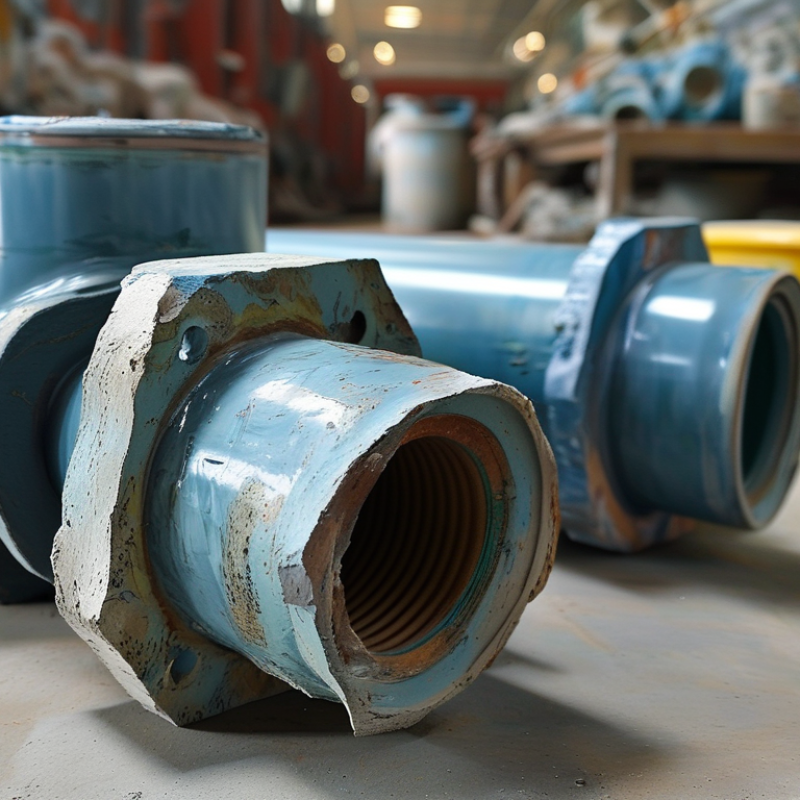
In industries where durability and performance matter, the Ceramic Lined Rubber Hose stands out as a significant choice. This hose combines the flexibility of rubber with the strength of ceramic, effectively addressing common wear and tear issues. Its unique design minimizes abrasion, ensuring a longer lifespan compared to standard hoses.

Buyers globally appreciate its resistance to corrosive materials. This characteristic makes it suitable for various applications, from mining to chemical processing. Additionally, the lightweight nature of the Ceramic Lined Rubber Hose enhances ease of use, reducing labor costs.

However, it’s essential to choose a reputable manufacturer. Not all products maintain the same quality standards. Some suppliers may cut corners, leading to potential failures down the line. Therefore, buyers must conduct thorough research and seek recommendations. Embracing this advanced solution could result in substantial long-term gains.
Top Benefits of Ceramic Lined Rubber Hose for Global Buyers?

Understanding the Basics of Ceramic Lined Rubber Hose Technology

Ceramic lined rubber hoses are gaining attention for their unique technology. This innovative approach involves lining rubber hoses with ceramic materials. The combination enhances durability and performance. Industries that handle abrasive materials benefit significantly from this design.

One key aspect of ceramic lined rubber hose technology is its resistance to wear and tear. This capability extends the hose's lifespan. Users report fewer replacements, which helps reduce operational costs. The technology is particularly useful in mining and construction sectors. Yet, not every user may recognize its importance or applications.

Another intriguing feature is its flexibility. Despite the robust ceramic lining, these hoses remain easy to handle. This duality may seem contradictory but is vital for practical use. Some users still struggle with understanding how to maximize this technology. Engaging with experts can provide insights into best practices. Adopting this technology may require a mindset shift, but the benefits justify the effort.

Key Advantages of Using Ceramic Lined Rubber Hose in Industries

Ceramic lined rubber hoses are becoming increasingly popular across various industries. Their unique construction combines flexibility and strength. This makes them ideal for transporting abrasive materials. The ceramic lining enhances durability, significantly reducing wear and tear. Users often report a longer lifespan compared to standard rubber hoses.

Another notable advantage is resistance to heat and chemicals. This feature allows these hoses to perform in challenging environments without degrading. Industries such as mining and construction greatly benefit from this resilience. These hoses ensure safety by minimizing the risk of leaks and failures. Many companies find that the investment in ceramic lined rubber hoses pays off through lower maintenance costs.

However, the higher initial cost can be a concern for some buyers. It may lead to hesitation in adoption. Potential users should consider the long-term benefits. Assessing the specific operational needs can help in decision-making. Understanding this balance is crucial to maximizing the advantages of these hoses.

Applications of Ceramic Lined Rubber Hose Across Different Sectors

Ceramic lined rubber hoses serve various industries, showcasing exceptional durability and resistance. In the mining sector, these hoses efficiently transport abrasive materials. The ceramic lining protects against wear while maintaining flexibility. This combination is crucial for moving heavy loads safely.

In the chemical industry, ceramic lined rubber hoses handle corrosive substances. Their robust construction prevents leaks and extends service life. This feature is vital for maintaining safety and efficiency in chemical processing. Users often appreciate the reduced maintenance costs associated with these hoses.

**Tip:** Regular inspections can prevent unexpected failures. Ensure hoses are free from cracks or wear before each use.

In the food and beverage sector, hygiene is paramount. Ceramic lined rubber hoses are non-toxic and easy to clean. They help meet health regulations while ensuring product safety. However, they require careful handling to avoid damage.

**Tip:** Implement proper storage solutions to extend the lifespan of your hoses. Avoid exposure to harsh chemicals when not in use.

Comparison: Ceramic Lined Rubber Hose vs. Traditional Rubber Hose

Ceramic lined rubber hoses offer distinct advantages over traditional rubber hoses. The integration of ceramic lining enhances durability significantly. This lining allows them to resist wear from abrasive materials, making them ideal for demanding industrial applications. Traditional rubber hoses often wear down quickly, needing frequent replacements, which can disrupt operations.

One notable feature of ceramic lined rubber hoses is their ability to withstand high temperatures. This temperature resistance helps maintain efficiency in extreme conditions. Conversely, traditional rubber hoses typically fail under such stress. Investing in ceramic lined options can save money in the long run by reducing downtime.

Tip: Ensure you evaluate the specific application needs before purchasing. Consider factors like the type of material transported and the operational environment to maximize efficiency.

Another factor is flexibility. While ceramic lined rubber hoses are stiffer than standard hoses, they can still offer a degree of bend. However, users might find them less maneuverable. It's worth reflecting on your workflow to determine if this flexibility meets your requirements.

Tip: Maintain regular inspections of your hoses to catch wear and tear early. This routine can prevent costly failures and ensure operational reliability.

Factors to Consider When Purchasing Ceramic Lined Rubber Hose

When considering the purchase of ceramic lined rubber hoses, various factors come into play. Buyers should assess the durability and flexibility these hoses offer. A 2021 industry report highlighted that ceramic lined hoses can withstand abrasive materials better than standard rubber hoses. This is crucial for industries handling heavy-duty materials, as it reduces wear and increases service life.

Moreover, it’s important to evaluate the temperature and pressure ratings of the hoses. The ceramic lining enhances resistance to extreme conditions, making it suitable for diverse applications. Some experts recommend selecting hoses that can sustain pressures up to 150 psi. However, potential buyers should also reflect on the trade-offs. While these hoses offer superior performance, they may have specific logistical challenges that need careful planning.

Lastly, consider compatibility with the intended materials. Ceramic lined hoses can handle various substances, but not all rubber compounds are created equally. Some users have reported issues with improper usage leading to premature failures. Gathering insights from current users can provide valuable information. A detailed analysis of operational needs will ensure informed purchasing decisions.

FAQS

: What are the main advantages of ceramic lined rubber hoses?

: They offer enhanced durability and resistance to wear from abrasive materials, making them ideal for industrial use.

How do ceramic lined hoses perform in high temperatures?

Ceramic lined hoses can withstand high temperatures better than traditional rubber hoses, maintaining efficiency under stress.

What should I consider before buying a ceramic lined rubber hose?

Evaluate the specific application needs, including the material type and operational environment.

Are ceramic lined rubber hoses flexible?

They are stiffer than traditional hoses but still allow for some bending, though they may be less maneuverable.

How can I prevent failures in my hoses?

Regular inspections for wear and tear can help catch issues early, avoiding costly disruptions.

What pressures can ceramic lined hoses handle?

Some models are rated to sustain pressures up to 150 psi but reflect on the logistical challenges of usage.

Why is compatibility important when choosing hoses?

Not all rubber compounds work well with ceramic lining. Improper usage may lead to premature failures.

What insights can I gather from current users?

Learning from others' experiences helps you understand the strengths and weaknesses of the hoses.

How can ceramic lined hoses reduce operational downtime?

Their durability and resistance to wear mean they need less frequent replacements, leading to fewer disruptions.

What trade-offs should I keep in mind?

While these hoses provide superior performance, they may come with specific logistical challenges that need planning.

Conclusion

The article "Top Benefits of Ceramic Lined Rubber Hose for Global Buyers" explores the innovative technology behind Ceramic Lined Rubber Hose, highlighting its fundamental aspects and key advantages. This type of hose combines the flexibility of rubber with the durability of ceramic, making it ideal for various industrial applications where wear resistance and longevity are crucial.

The article further discusses the versatility of Ceramic Lined Rubber Hose across different sectors, from mining to agriculture, showcasing its superior performance compared to traditional rubber hoses. Additionally, it offers guidance on important factors to consider when purchasing such hoses, ensuring buyers can make informed decisions that enhance operational efficiency and cost-effectiveness in their respective industries.

Ethan

Ethan

Ethan is a seasoned marketing professional with a deep expertise in our company's innovative product line. With a passion for sharing knowledge and insights, he takes the lead in regularly updating our corporate blog, where he explores industry trends, product features, and effective marketing......