HESPER
In the ever-evolving industrial landscape, efficiency and durability are crucial. One solution gaining recognition is the Ceramic Plated Rubber Hose. This innovative product combines flexibility with resistance to wear and tear. Industries worldwide are embracing its advantages.
Ceramic Plated Rubber Hose is not just about resistance. It also offers high performance across various applications. From transporting abrasive materials to handling extreme temperatures, this hose rises to the challenge. Its unique design allows for longevity, reducing the need for frequent replacements.
However, implementation is not without its challenges. Not all environments can maximize its potential. Understanding compatibility with specific applications is vital. Companies must assess their needs carefully. Balancing cost with potential benefits is essential. The journey towards adopting Ceramic Plated Rubber Hose may contain bumps, but the rewards can be significant. Engaging with experts can clarify its benefits and limitations.
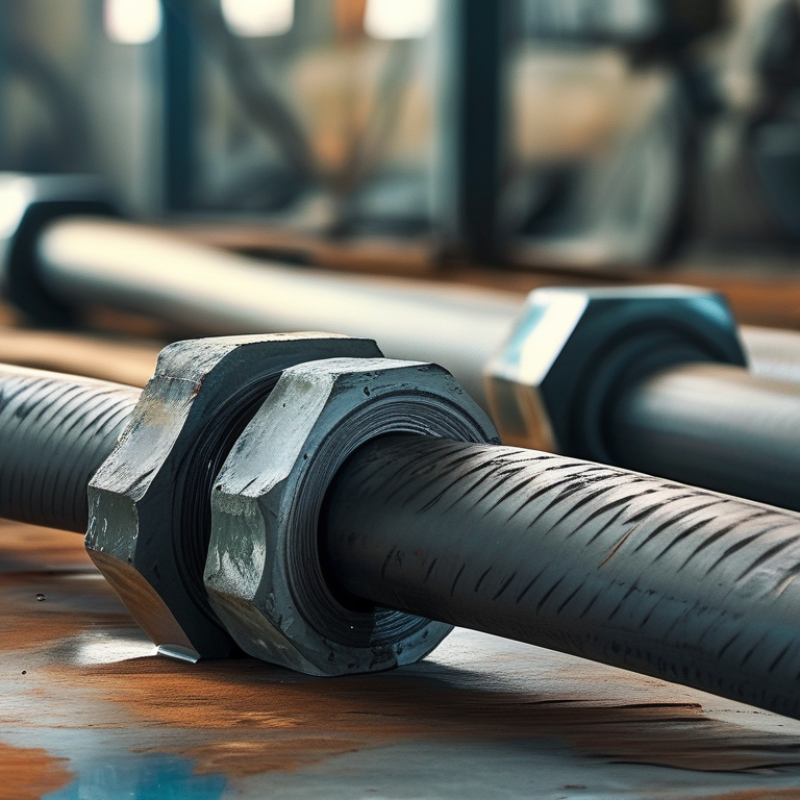
Ceramic plated rubber hoses have gained recognition for their enhanced durability in industrial settings. These hoses are designed to withstand harsh conditions. The ceramic coating not only offers abrasion resistance but also protects against temperature extremes. This leads to a longer lifespan, reducing the need for frequent replacements.
In industries dealing with heavy machinery and abrasive materials, durability is essential. The unique properties of ceramic plating provide a superior seal, minimizing leak risks. This enhances operational efficiency and reduces downtime. Employers notice that fewer breakdowns occur due to hose failures. However, the initial investment may deter some businesses.
Despite the higher upfront cost, the long-term benefits can outweigh initial concerns. The durability of ceramic plated rubber hoses can significantly cut maintenance costs. Relying on these hoses may necessitate some reflection on supply chain practices and inventory management. Organizations may need to adapt to this advanced technology for optimal performance.
Ceramic plated rubber hoses are becoming essential in high temperature applications. These hoses provide improved thermal resistance, which is crucial in various industrial settings. They can withstand extreme heat, reducing the risk of heat damage. This property is valuable in industries such as aerospace and automotive engineering.
The ceramic plating offers a robust surface that enhances durability. This leads to fewer replacements, saving time and costs. Additionally, the rubber interior maintains flexibility, allowing for easier installation and movement. However, one must consider the application environment, as not all conditions may suit ceramic plated hoses perfectly.
Thermal expansion can still be a concern. It’s important to ensure that the fittings and connections can handle this. Regular inspections are vital to maintain performance. While the benefits are significant, understanding the limitations is equally crucial for industrial applications.
| Benefit | Description | Application | Temperature Range (°C) |
|---|---|---|---|
| Improved Thermal Resistance | Ability to withstand high temperatures without degradation. | Chemical Processing | -40 to 150 |
| Chemical Resistance | Resistance to a variety of chemicals and solvents. | Oil and Gas Industries | -10 to 120 |
| Durability | Long lifespan and robust against wear and tear. | Construction | -20 to 130 |
| Flexibility | Easy to maneuver in tight spaces. | Manufacturing | -30 to 140 |
| Weight Reduction | Lighter than traditional metal hoses, reducing transport costs. | Logistics | -50 to 120 |
| Cost-Effectiveness | Lower installation and maintenance costs. | General Industry | -20 to 150 |
| Thermal Insulation | Helps in energy conservation by reducing heat loss. | Refineries | -10 to 180 |
| Safety | Minimizes risks of leaks and burst due to overheating. | Pharmaceuticals | -20 to 160 |
| Easy Installation | Simplifies the setup process in various systems. | Water Treatment | 0 to 120 |
| Customizable | Available in various sizes and configurations to fit specific needs. | Food Processing | -10 to 100 |
Ceramic plated rubber hoses are gaining popularity in various industrial environments due to their superior chemical resistance. These hoses withstand harsh chemicals, making them ideal for industries like pharmaceuticals and food processing. The ceramic layer enhances durability, offering a reliable solution against abrasion and wear.
Moreover, the unique composition of these hoses enables them to function effectively in extreme temperatures. They perform well in both hot and cold conditions. However, this resilience comes at a price; their initial cost can be higher than traditional rubber hoses. Companies must evaluate their long-term benefits against upfront expenses.
Routine inspections are essential to ensure the integrity of ceramic plated hoses. Regular maintenance helps detect wear or damage early. While they are robust, no material is completely immune to failure. Balancing their benefits with careful monitoring can lead to improved efficiency in industrial applications.
The lightweight design of ceramic plated rubber hoses significantly enhances their handling and installation. This feature reduces strain on workers during use. With a lower overall weight, employees can maneuver them more easily in tight spaces. It ultimately translates to improved efficiency in industrial settings. Installation processes become swifter, minimizing downtime for machinery. A hose that is easier to lift and position allows for quicker setup.
In busy industrial environments, every second counts. Implementing these hoses can help streamline tasks. Their flexibility combined with lightweight properties improves portability without sacrificing durability. However, the lighter design may raise concerns about long-term wear. Therefore, regular inspections are essential to ensure performance stability. Workers need to remain vigilant about the condition of these hoses.
Adopting a ceramic plated rubber hose requires an understanding of the trade-offs involved. While they offer certain advantages, operators should also consider potential drawbacks. Continuous assessment of the hose's performance can provide insights into its lifecycle. Organizations should ensure that the benefits align with their operational needs. This creates a balanced approach to equipment management.
Ceramic plated rubber hoses provide significant cost-effectiveness in long-term industrial use. These hoses typically have a lifespan of over 10 years, compared to standard rubber hoses, which may require replacement within 2-3 years. According to a report from the Industrial Rubber Association, the extended durability can lead to savings of up to 40% in replacement costs alone. This longevity translates into reduced downtime for maintenance and heightened operational efficiency.
The initial investment in ceramic plated rubber hoses may be higher. However, industries can mitigate costs over time. A study from the Manufacturing Research Institute indicates that facilities using these hoses report a 20% reduction in overall maintenance expenses. Additionally, the resilience of ceramic-plated materials offers superior resistance to abrasion and chemicals. While the upfront expense raises questions, the total cost of ownership analysis reveals clear benefits, often overlooked in decision-making processes.
Moreover, user feedback highlights a common oversight. Some operators underestimate the importance of material selection. The wrong choice could lead to higher expenses and safety risks. Relying solely on cheaper alternatives often results in unexpected financial burdens. Investing in high-quality hoses should not just be seen as a cost but a strategic move toward long-term savings and efficiency.
: These hoses are ideal for industries like pharmaceuticals and food processing due to their superior chemical resistance.
They perform well in both hot and cold conditions, thanks to their unique composition.
Their initial cost can be higher than traditional rubber hoses, which companies need to evaluate.
Regular maintenance helps detect wear or damage early, ensuring the hoses' integrity and performance.
A lower weight makes them easier to maneuver, reducing worker strain and improving efficiency.
Yes, while lightweight features benefit handling, there may be questions about long-term wear stability.
Continuous assessment of the hoses’ performance is crucial for aligning benefits with operational needs.
Failure to monitor can result in unexpected issues, ultimately affecting operational efficiency.
Minimizing downtime for machinery is critical, and easier setups help achieve this.
Their flexibility allows for better portability while maintaining durability, enhancing overall usability.
The use of Ceramic Plated Rubber Hose in industrial applications offers a multitude of benefits that enhance efficiency and performance. One of the key advantages is its enhanced durability, allowing for longer service life in demanding environments. Additionally, this type of hose provides improved thermal resistance, making it ideal for high-temperature applications without compromising integrity.
Furthermore, Ceramic Plated Rubber Hose exhibits superior chemical resistance, enabling its use in various industrial environments without degradation. Its lightweight design facilitates easier handling and installation, helping to streamline operational processes. Lastly, it proves to be cost-effective over the long term, reducing replacement and maintenance costs. Overall, these features make Ceramic Plated Rubber Hose an excellent choice for diverse industrial needs.
