HESPER HESPER

China Best Ceramic Hose Applications and Benefits Explained?

Time:2026-03-20 Author:Aria
0%

In the world of industrial materials, Ceramic Hose is gaining attention for its unique properties and applications. Dr. Emma Huang, a leading expert in ceramic materials, once stated, "The versatility of Ceramic Hose can revolutionize how industries handle extreme conditions." This highlights the vast potential these hoses hold for various sectors.

Ceramic Hose offers remarkable resistance to high temperatures and abrasion. This makes it suitable for demanding environments, like mining and metallurgy. However, not every industry has fully embraced this technology. Some remain skeptical about its practical applications. Understanding these nuances is key to adopting Ceramic Hose effectively.

Even with its benefits, Ceramic Hose may come with challenges. Installation can be tricky, and costs might be higher than alternatives. Companies should assess their needs carefully. Awareness of limitations allows for better decision-making in choosing materials.
China Best Ceramic Hose Applications and Benefits Explained?

Overview of Ceramic Hose: Definition and Key Characteristics

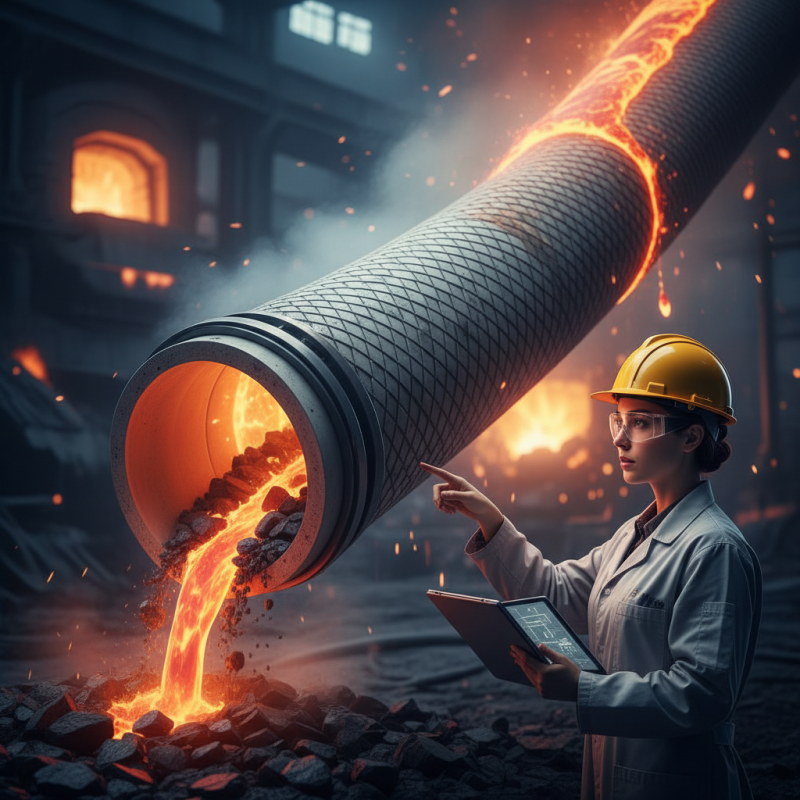
Ceramic hoses are innovative solutions in various industries. They are known for their ability to withstand high temperatures and corrosive materials. Made from advanced ceramic composites, these hoses exhibit remarkable strength and durability. Their lightweight nature is a significant advantage, making them easy to handle during installation.

One key characteristic of ceramic hoses is their ability to resist wear and tear. Unlike traditional hoses, they do not degrade quickly under harsh conditions. This longevity results in lower maintenance costs for businesses. However, they can be fragile, requiring careful handling during installation. Cracks can develop if not managed properly.

Another aspect worth considering is the range of applications. Industries like manufacturing and chemicals benefit significantly from ceramic hoses. They are crucial in transporting abrasive materials or hot liquids. Yet, the initial investment can be high, and not all users may see the value immediately. This requires careful consideration and planning before procurement.

China Best Ceramic Hose Applications and Benefits Explained

Application Area Key Benefits Temperature Resistance Pressure Rating Chemical Resistance
Oil & Gas Industry High durability and resistance to wear Up to 800°C 20 bar Excellent
Chemical Processing Corrosion resistance Up to 1000°C 15 bar Outstanding
Aerospace Industry Lightweight and strong Up to 1200°C 10 bar Very good
Automotive Industry Enhanced performance Up to 600°C 18 bar Good
Medical Applications Non-toxic and sterile Up to 900°C 12 bar Good

Main Applications of Ceramic Hoses in Various Industries

Ceramic hoses play a crucial role in various industries, thanks to their unique properties. In the mining sector, they are essential for transporting abrasive materials. Studies show that ceramic hoses can last up to three times longer than rubber ones in these conditions. Their ability to withstand harsh environments is a significant advantage.

In the oil and gas industry, ceramic hoses are used for high-temperature applications. They can handle extreme pressures and maintain integrity under stress. Data from industry reports indicate that composite materials, including ceramics, can reduce maintenance costs by up to 30%. This reduces downtime and improves overall productivity.

Ceramic hoses also find applications in the chemical industry. They resist corrosion from aggressive chemicals, ensuring safer operations. Reports have highlighted that these hoses meet stringent safety standards. However, there's still debate about their higher upfront cost, which can deter some companies. Balancing initial expenses with long-term savings remains a challenge.

Benefits of Using Ceramic Hoses Over Traditional Materials

Ceramic hoses provide a range of benefits that surpass traditional materials. These hoses are highly resistant to wear and corrosion. Data shows that ceramic materials can last up to three times longer than rubber or metal alternatives in harsh environments. This durability results in fewer replacements, saving costs over time.

Another advantage is that ceramic hoses can withstand extreme temperatures. They perform well in both high-heat and cryogenic applications. This versatility allows industries to operate more efficiently, reducing downtime. However, switching to ceramic can be a challenge. Initial costs may be higher than standard hoses, and some installations might require additional modifications.

Moreover, these hoses often have a lower weight, which can improve handling and installation processes. They are less susceptible to deformation under pressure. However, some operators express concerns about brittleness. This can lead to breakage if mishandled. Balancing the transition to ceramic hoses involves careful consideration and training for personnel.

Challenges and Limitations of Ceramic Hose Technology

Ceramic hoses offer impressive durability and heat resistance, yet they come with notable challenges. One major limitation is their brittleness. While the material can withstand high temperatures, it is prone to cracking under stress. This makes installation and handling crucial. If mishandled, the hose may not perform as expected, leading to potential leaks.

Another concern is weight. Compared to traditional hoses, ceramic alternatives can be heavier. This adds complexity to operations where lightweight materials are preferred. Transporting and installing them requires additional manpower or equipment. Furthermore, ceramics can be less flexible, limiting their application in tight spaces. Adaptations may be necessary to ensure functionality in various environments.

Cost is also a factor that cannot be ignored. While ceramic hoses can offer long-lasting benefits, their initial expense is high. Budget constraints often lead organizations to reconsider the investment. Overall, while ceramic hoses have significant advantages, their drawbacks must be carefully evaluated for effective implementation. Balancing these factors is essential when deciding on the right hose technology for specific applications.

Future Trends in Ceramic Hose Development and Usage

The ceramic hose industry is evolving rapidly. One significant trend is the rise in usage across various sectors, including construction and manufacturing. Reports show that the global ceramic hose market is expected to grow at a compound annual growth rate (CAGR) of 4.5% by 2026. This underscores the increasing reliance on ceramic materials for hose production.

The durability of ceramic hoses offers a competitive advantage. They can withstand extreme temperatures and corrosive substances. However, challenges remain. The manufacturing process can be complex, and not all applications fully utilize their potential. Industry experts highlight a gap in knowledge regarding optimal applications. Many companies still prefer traditional materials, often overlooking the benefits ceramic hoses provide.

Moreover, sustainability is a driving force in future trends. Ceramic hoses can be recycled, reducing environmental impact. As companies push for greener alternatives, awareness and education about ceramic technology will be crucial. There’s a need for better information sharing about their benefits and limitations. Understanding these nuances can aid organizations in making informed decisions about their production processes.

This chart illustrates the market share percentages of different ceramic hose applications, showcasing the various industries that utilize ceramic hose technology. The automotive and food & beverage sectors hold significant shares, indicating the growing importance of ceramic hoses in these fields.

FAQS

: What are ceramic hoses known for?

: Ceramic hoses are known for their ability to withstand high temperatures and corrosive materials.

How do ceramic hoses compare to traditional hoses?

Ceramic hoses resist wear and tear better, resulting in lower maintenance costs.

What is a significant drawback of ceramic hoses?

Their brittleness makes them prone to cracking during handling and installation.

Are ceramic hoses lightweight?

Ceramic hoses are lightweight, but their heaviness compared to traditional hoses can complicate operations.

What industries benefit from using ceramic hoses?

Industries like manufacturing and chemicals benefit significantly from ceramic hoses for transporting abrasive materials.

What should organizations consider before investing in ceramic hoses?

Organizations should evaluate the initial high cost and consider their specific application needs to ensure value.

What is a future trend in ceramic hose usage?

The global ceramic hose market is expected to grow, increasing reliance on ceramic materials in various sectors.

How do sustainability concerns affect ceramic hose development?

Ceramic hoses can be recycled, aligning with the push for greener alternatives in many industries.

Why do some companies prefer traditional materials over ceramics?

Many companies lack knowledge about ceramic hoses’ benefits, leading them to stick with conventional options.

What challenge exists in the manufacturing of ceramic hoses?

The manufacturing process for ceramic hoses can be complex, making optimal application knowledge essential.

Conclusion

Ceramic hoses are specialized piping systems characterized by their high resistance to wear, corrosion, and extreme temperatures, making them ideal for various industrial applications. These hoses are commonly used in industries such as mining, power generation, and chemical processing, where traditional materials may fail under harsh conditions. The advantages of ceramic hoses include their durability, lightweight nature, and superior performance, which lead to reduced maintenance costs and increased efficiency.

Despite their benefits, ceramic hose technology faces certain challenges, such as brittleness and the complexity of manufacturing processes. However, ongoing research and development are addressing these limitations, paving the way for innovative solutions and broader usage in diverse applications. As industries continue to demand more resilient materials, the future of ceramic hoses appears promising, with advancements expected to enhance their performance and application scope further.

Aria

Aria

Aria is a dedicated marketing professional with a deep passion for innovative strategies and a keen understanding of our company's product offerings. With a wealth of experience in the industry, Aria excels at crafting engaging content that highlights the unique features and benefits of our......