HESPER HESPER

Best Chemical Transfer Hose Options for Safe and Efficient Transport?

Time:2026-06-16 Author:Amelia
0%

When it comes to the safe and efficient transport of chemicals, selecting the right Chemical Transfer Hose is essential. These hoses are designed to handle a variety of substances, including acids, solvents, and hazardous materials. With the right choice, you can ensure not only the integrity of the chemicals but also the safety of your team.

In today's market, various options are available, each with unique features. Some hoses are reinforced for high-pressure applications, while others provide chemical resistance against specialized compounds. However, finding the perfect fit can be a challenge. You must consider factors like temperature tolerance, compatibility, and durability.

Choosing a Chemical Transfer Hose requires careful thought and expertise. It’s common to overlook critical details. A wrong selection can lead to leaks, costly damages, or even accidents. Understanding the nuances of different hose materials and their applications is key. Rely on reputable suppliers and ensure that you are aware of the latest standards and recommendations in the industry.
Best Chemical Transfer Hose Options for Safe and Efficient Transport?

Types of Chemical Transfer Hoses and Their Applications

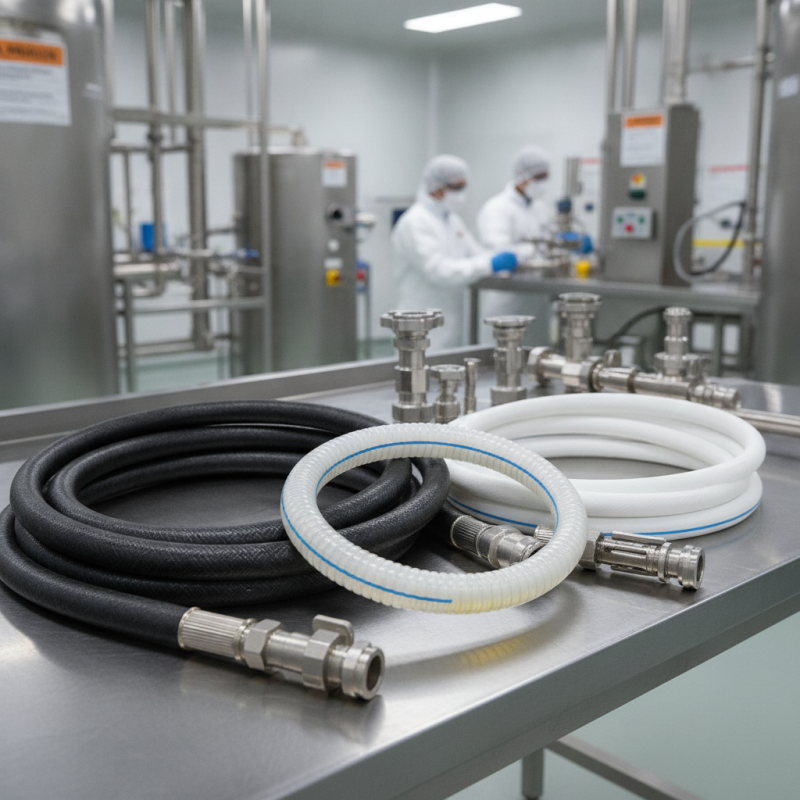
Chemical transfer hoses play a crucial role in various industries, including pharmaceuticals, chemicals, and food processing. These hoses are designed to transport hazardous or non-hazardous materials safely and efficiently. Several types of chemical transfer hoses exist, each tailored to specific applications and material compatibility.

For example, EPDM hoses are ideal for transferring acids and bases. They are resistant to high temperatures and offer excellent flexibility. In contrast, fluoropolymer hoses are perfect for ultra-pure chemicals. They prevent contamination and maintain product integrity. Reports show that the global demand for chemical hoses is projected to grow at a CAGR of 5.4% from 2021 to 2028. This growth underscores the significance of selecting the right hose for operational safety and efficiency.

Another important aspect is the service life of these hoses. Typically, a well-maintained chemical transfer hose can last several years. However, factors like improper usage and harsh environmental conditions can lead to premature wear. Companies should invest in proper training for employees to minimize risks associated with hose failures. Regular inspections are essential to ensure the hoses meet safety standards. The right choice is critical; selecting an unsuitable hose can result in leaks or spills, posing significant health and environmental hazards.

Key Features to Look for in Chemical Transfer Hoses

When selecting chemical transfer hoses, several key features matter. The hose material is crucial. It must withstand the chemicals being transported. Common materials include PVC, rubber, and PTFE. Each offers different levels of resistance. In addition to the right material, consider the temperature range. Some chemicals require special hoses that can handle extreme temperatures. A mismatch can lead to hose failure.

Reinforcement is another factor to ponder. Hoses with multiple layers provide extra strength. They resist kinking and abrasion. Pay attention to the hose diameter as well. A larger diameter allows for faster flow rates. Yet, this also means a heavier hose, which might not be ideal in every situation.

Tips: Always check the hose's pressure rating. Ensure it meets or exceeds what you need. Also, inspect hoses regularly for signs of wear. Any visible damage should prompt immediate replacement. Remember, safety should never be compromised for efficiency. Using the right hose ensures a smoother, safer transfer process.

Safety Considerations for Chemical Hose Transport

When transporting chemicals, safety is paramount. Chemical transfer hoses must be reliable and resistant to chemical reactions. Routine inspections are necessary. Look for signs of wear or damage. These flaws can lead to leaks, which pose serious hazards.

Proper training for personnel is crucial. Employees must understand the materials they handle. Knowledge about compatibility helps avoid dangerous reactions. They should know how to use and maintain hoses correctly. Misuse can lead to accidents, creating risks for everyone involved.

Develop an emergency response plan. This plan should address potential spills or leaks. Ensure that all staff are familiar with it. Regular drills can enhance preparedness. Remember, safety is an ongoing effort. Continuous evaluation of processes is essential to identify improvement areas.

Best Practices for Maintaining Chemical Transfer Hoses

Maintaining chemical transfer hoses is crucial for safe handling. Regular inspections help identify wear, cracks, or leaks. It’s essential to visually check hoses before each use. Any visible damage can lead to hazardous spills. Replace hoses showing signs of deterioration promptly.

Cleanliness is vital in prolonging the lifespan of these hoses. Rinse hoses thoroughly after use, especially if they've carried corrosive substances. Even small residues can lead to degradation over time. Store hoses in a cool, dry place away from direct sunlight. This prevents exposure that can weaken the materials.

Trained personnel should manage maintenance practices. They can recognize abnormal wear patterns or operational issues. Implementing a routine inspection schedule promotes safety. Keeping detailed records aids in tracking hose condition over time. This proactive approach can prevent accidents and ensure effective transport of chemicals.

Comparative Analysis of Top Chemical Transfer Hose Brands

When selecting the right chemical transfer hose, safety and efficiency are paramount. A comparative analysis reveals significant differences among top brands in durability and compatibility. Reports indicate that about 70% of hose failures occur due to incompatible materials or improper specifications. Choosing a hose that meets safety standards can significantly reduce the risk of leaks and accidents.

Flexibility and resistance to chemicals are crucial. Many hoses offer specific chemical compatibility ratings. For instance, studies suggest that hoses made from rubber compounds can effectively handle a range of chemicals, but often fall short in certain extreme conditions. Users should consider factors such as temperature range and pressure ratings carefully. A recent industry report highlighted that 30% of users faced issues with performance due to neglecting these details.

Investing in a high-quality hose is vital. However, it’s important to reflect on maintenance practices as well. Data indicates that poorly maintained hoses can fail, regardless of brand reputation. Regular inspection can extend a hose's life significantly, yet only 40% of users report adhering to these protocols consistently. Balancing between cost and quality is a common dilemma in purchasing decisions.

FAQS

: What are chemical transfer hoses used for?

: They transport hazardous and non-hazardous materials safely in various industries.

How do EPDM hoses perform?

EPDM hoses are great for acids and bases, offering flexibility and high-temperature resistance.

Why are fluoropolymer hoses special?

They are designed for ultra-pure chemicals, preventing contamination and maintaining integrity.

How often should chemical transfer hoses be inspected?

Regular inspections are essential, ideally before each use, to catch wear or leaks.

What should be done if a hose shows visible damage?

Any damaged hose should be replaced immediately to avoid hazardous spills.

How should hoses be cleaned after use?

Rinse thoroughly, especially if they’ve carried corrosive substances, to prevent degradation.

Where should chemical transfer hoses be stored?

Store them in a cool, dry place away from direct sunlight to maintain material strength.

Who should manage the maintenance of these hoses?

Trained personnel should oversee maintenance to identify wear patterns and operational issues.

Why is it important to keep inspection records?

Detailed records help track the condition of hoses and prevent accidents over time.

What can happen if the wrong hose is selected?

Choosing an unsuitable hose can lead to leaks or spills, posing health and environmental risks.

Conclusion

The article explores the various types of Chemical Transfer Hoses and their specific applications in industries requiring safe and efficient transport of chemicals. It emphasizes the importance of selecting hoses made from compatible materials that can withstand chemical properties, pressure, and temperature. Key features to consider include the hose's flexibility, durability, and resistance to abrasion and wear, which are critical for ensuring safety during transport.

Additionally, the article highlights important safety considerations when using Chemical Transfer Hoses, such as proper labeling, handling procedures, and regular inspections to prevent leaks and accidents. Best practices for hose maintenance are advised to prolong the lifespan and reliability of the hoses. Finally, it provides a comparative analysis of leading Chemical Transfer Hose brands, helping users make informed decisions based on performance and features.

Amelia

Amelia

Amelia is a seasoned marketing professional with a wealth of expertise in our company’s core offerings. With an unwavering passion for driving growth and innovation, she plays a pivotal role in shaping our marketing strategies and enhancing brand visibility. A key aspect of her responsibilities......