
HESPER HESPER

Best Conveyor Belt Scraper Solutions for Efficient Operations?

Time:2026-06-07 Author:Isabella
0%

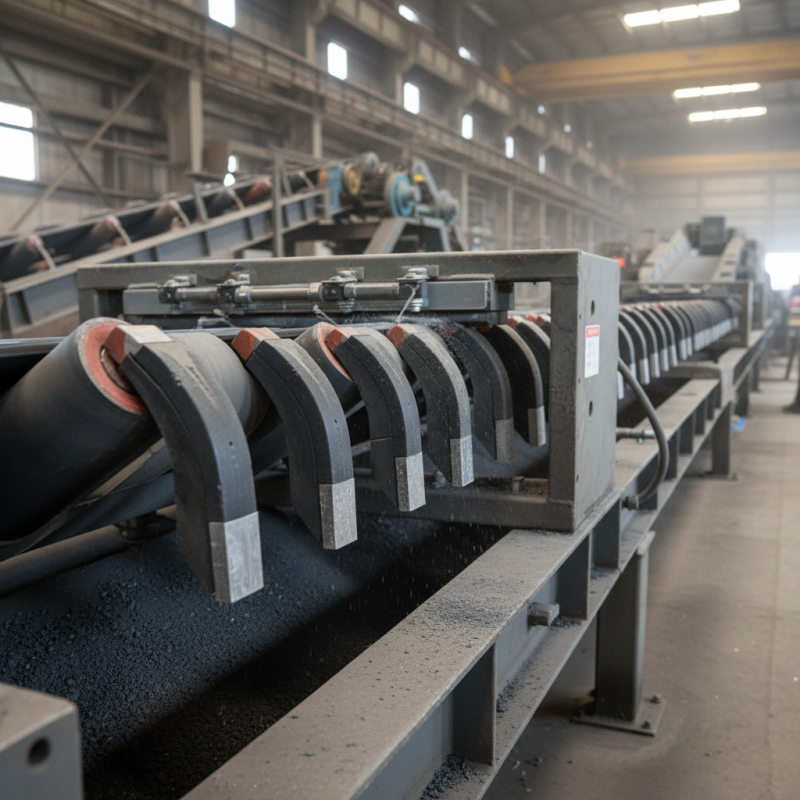
In the realm of industrial operations, maintaining efficient processes is vital. A crucial component of this efficiency is the effective use of a Conveyor Belt Scraper. These devices are designed to minimize material carryback, ensuring belts run smoothly. This not only enhances productivity but also reduces wear and tear on equipment.

The right Conveyor Belt Scraper can lead to significant cost savings. When belts are clean, maintenance costs decrease, and safety improves. However, selecting the ideal scraper requires careful consideration of various factors. There is no one-size-fits-all solution. Different materials and environmental conditions necessitate tailored approaches.

While numerous options exist, it is essential to evaluate each product's performance and durability. Brands may promise the best, yet real-world performance often varies. Identifying the most suitable Conveyor Belt Scraper involves understanding specific operational needs and potential challenges. The journey toward optimal efficiency is ongoing and requires constant reflection and adaptation.
Best Conveyor Belt Scraper Solutions for Efficient Operations?

Overview of Conveyor Belt Scrapers and Their Importance

Conveyor belt scrapers play a crucial role in maintaining the efficiency of material handling operations. These devices help remove residual materials from the conveyor belt surface. By doing so, they prevent contamination and reduce wear on both the belt and equipment. Properly maintained scrapers can enhance system reliability and minimize costly downtimes.

The choice of scraper depends on several factors, including the type of material being conveyed and environmental conditions. For instance, wet or sticky materials may require different solutions compared to dry and granular substances. It’s essential to evaluate the unique challenges each operation faces. One common oversight is neglecting regular maintenance of scrapers. This can lead to inefficient operations, as the buildup of material increases the risk of equipment failure.

Incorporating advanced scraper technologies can also bring notable benefits. Yet, not every operation needs the highest-end solutions. Understanding specific requirements helps in selecting the right scraper without overspending. Reflecting on past experiences can guide future investments, ensuring that operations remain efficient while avoiding unnecessary costs.

Types of Conveyor Belt Scrapers and Their Applications

Conveyor belt scrapers play a vital role in various industries, ensuring smooth operations. These devices remove materials that may adhere to the belt surface, preventing contamination and maintenance issues. There are several types of scrapers, each tailored for specific applications and environments.

Mechanical scrapers, often made from metal or plastic, are durable and effective. They work well in heavy-duty settings, such as mining and recycling. Their design allows for thorough cleaning, but they can cause wear over time. Choosing the right blade material is crucial for longevity and efficiency. On the other hand, pneumatic scrapers utilize air pressure to dislodge stubborn debris. They are beneficial in sensitive environments, providing a gentle cleaning method without damaging the belt.

Understanding the environment is key. Wet or sticky materials may require more robust solutions. Regular assessments of scraper performance help optimize operations and reduce downtime. Enhancing your conveyor system means being open to trial and error. What works in one setting may not in another. Investing time in research and testing various scrapers is essential for achieving operational excellence.

Key Features to Look for in Conveyor Belt Scraper Solutions

When selecting a conveyor belt scraper solution, certain features are essential for efficient operations. A quality scraper should effectively remove debris and materials from the belt, improving overall productivity. According to industry reports, a well-functioning scraper can enhance conveyor efficiency by approximately 20%. This is significant, considering the losses attributed to material carryback.

Look for scrapers with adjustable angles. This adaptability allows for precise contact with the belt, promoting better cleaning without causing damage. Additionally, robust materials are crucial. They enhance the scraper's durability under varying operational conditions. Another critical feature is ease of installation and maintenance. A user-friendly design saves time and resources, ultimately benefiting operations.

Tip: Regularly inspect your conveyor belt scrapers to ensure optimal performance. An overlooked scraper can lead to unexpected downtime. Choose scrapers designed for specific materials, as this can enhance cleaning effectiveness. An informed choice in scraper selection can make a remarkable difference in operational efficiency.

Best Practices for Installing and Maintaining Conveyor Belt Scrapers

When implementing conveyor belt scrapers, proper installation and maintenance are key to enhancing operational efficiency. Research shows that effective scrapers can reduce carryback by up to 90%. A w ell-aligned scraper ensures optimal contact with the belt, minimizing material buildup and wear. Regular inspections are essential. At least once a month, check the scraper's condition and alignment. Proper tensioning also plays a critical role.

Routine maintenance practices can significantly impact the lifespan of scrapers. It's recommended to clean scrapers regularly to prevent buildup, which can hinder their performance. Over time, accumulated debris can lead to increased wear on the belt itself, resulting in costly repairs. Furthermore, operators should calibrate scrapers based on the material types they handle. A study revealed that not adjusting for material variance could halve scraper efficiency.

Training personnel on the best practices for maintaining scrapers is equally vital. Employees need to recognize signs of wear and know when to replace scrapers. Ignoring these factors can lead to inefficient operations. A proactive approach ensures that scrapers will not only last longer but also perform better, ultimately saving resources and reducing downtime. Adopting a disciplined strategy is necessary for any operation relying on conveyor systems.

Case Studies: Successful Implementation of Conveyor Belt Scraper Solutions

Conveyor belt scrapers are essential for maintaining operational efficiency. In various industries, companies have successfully implemented scraper solutions to enhance productivity. A case study from a mining operation illustrates this point. The site struggled with material buildup on their conveyor belts, leading to frequent downtimes. After installing a tailored scraper solution, they noticed a significant reduction in maintenance needs. This change improved their operational flow and increased overall system reliability.

Another example comes from a food processing facility. Here, the team faced hygiene challenges due to residue on the belts. They opted for a scraper designed specifically for their application. The results were immediate. The scrapers not only maintained cleanliness but also ensured compliance with industry regulations. However, they observed that over time, the wear rate of the scrapers increased due to abrasive materials. This prompted them to consider stronger materials for future replacement, reflecting the need for ongoing evaluation.

While these case studies showcase successes, reflections on the implementation process are crucial. Inadequate training for staff on scraper maintenance led to some inefficiencies. Addressing this aspect has become a priority for the organizations involved. Understanding both the strengths and weaknesses helps refine future projects, ultimately leading to more efficient operations.

Conveyor Belt Scraper Efficiency Comparison

This chart illustrates the efficiency of different types of conveyor belt scrapers implemented in various operations. Scraper Type B shows the highest efficiency at 90%, indicating its effectiveness in maintaining clean conveyor belts and enhancing operational productivity.

FAQS

: What is the importance of proper installation and maintenance of conveyor belt scrapers?

: Proper installation and maintenance enhance efficiency and can reduce carryback by up to 90%.

How often should scrapers be inspected?

Scrapers should be inspected at least once a month to check their condition and alignment.

What impact does regular cleaning have on scrapers?

Regular cleaning prevents buildup, which can hinder scraper performance and increase belt wear.

Why is calibration important for scrapers?

Calibrating scrapers based on material types handled ensures optimal efficiency and performance.

What signs indicate that scrapers need to be replaced?

Signs of wear include decreased efficiency and increased material buildup on belts.

How does employee training affect scraper maintenance?

Adequate training helps staff recognize wear signs, preventing inefficiencies in operations.

What challenges did the mining operation face before installing scrapers?

They experienced frequent downtimes due to material buildup on their conveyor belts.

What improvements were seen after the scraper installation in the food processing facility?

The team maintained cleanliness and compliance while reducing hygiene challenges.

What reflective consideration did the food processing team identify after implementation?

They noted increased wear rates and considered stronger materials for future scraper replacements.

How can inadequate training impact scraper efficiency?

Inadequate training can lead to maintenance inefficiencies, affecting overall operational efficiency.

Conclusion

Conveyor Belt Scrapers play a crucial role in maintaining the efficiency of conveyor systems, ensuring optimal operations by preventing material buildup and reducing downtime. This article provides an overview of the importance of Conveyor Belt Scrapers, outlining various types and their specific applications across different industries. It emphasizes key features to consider when selecting a scraper solution, including durability, effectiveness, and ease of maintenance.

Furthermore, it highlights best practices for the installation and upkeep of Conveyor Belt Scrapers, which are essential for maximizing their lifespan and performance. The article concludes with compelling case studies showcasing successful implementations of Conveyor Belt Scraper solutions, demonstrating their positive impacts on operational efficiency and cost-effectiveness in real-world scenarios.

Isabella

Isabella

Isabella is a dedicated marketing professional with a sharp focus on driving brand growth and engagement through strategic content creation. With an extensive background in digital marketing, she combines her passion for storytelling with her keen understanding of industry trends to deliver......