HESPER HESPER

Best Industrial Hose Types for Maximum Efficiency in 2026?

Time:2026-07-24 Author:Amelia
0%

In 2026, the role of industrial hoses remains critical across various sectors. These hoses transport fluids and gases efficiently, playing a pivotal role in production processes. Industry reports indicate that the global industrial hose market is projected to grow by 5.5% annually, reaching $40 billion by 2026. Effective selection of industrial hose types is vital for maximizing efficiency.

While cost considerations are essential, the chosen hose must also meet specific operational requirements. High-pressure applications require hoses that comply with stringent safety standards. Some often overlook the importance of regular maintenance and inspection. Delays caused by hose failures can lead to significant downtime and increased costs.

Furthermore, not all hoses suit every environment. Factors such as temperature, chemical compatibility, and flexibility must be evaluated thoroughly. The quest for efficiency in industrial applications can sometimes lead to hasty decisions. This underscores the need for careful analysis and planning when selecting the right industrial hose types for your operations.
Best Industrial Hose Types for Maximum Efficiency in 2026?

Understanding Industrial Hose Types and Their Applications

Industrial hoses play a critical role in various sectors. Their efficiency can significantly affect productivity in manufacturing, construction, and agriculture. Understanding different hose types is essential for selecting the right one for specific applications.

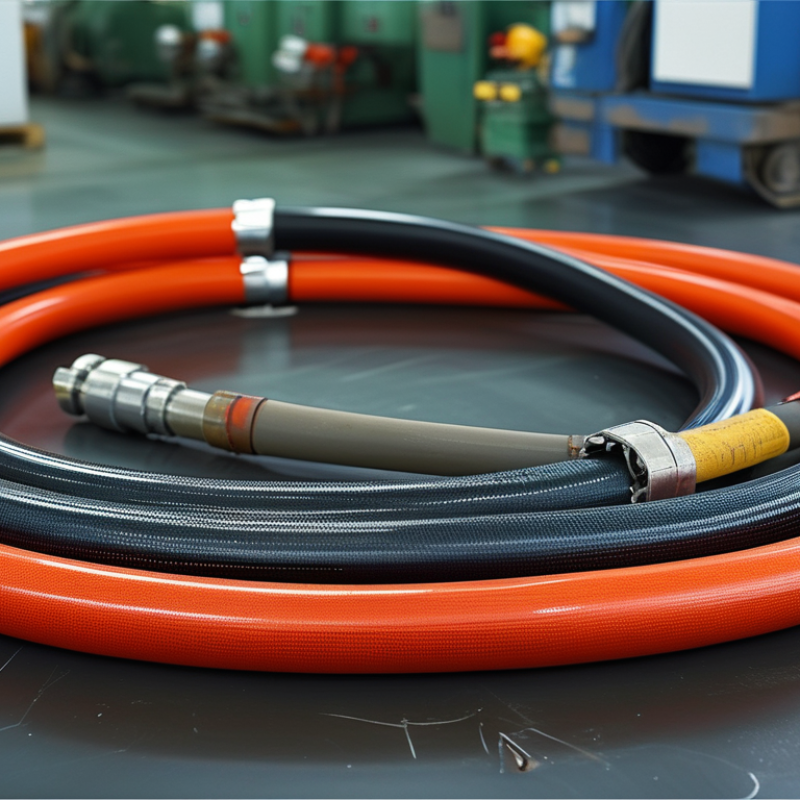
Rubber hoses are widely used for air and water applications. They are flexible and durable but may not be ideal for extreme temperatures. Consider the environmental conditions. PVC hoses are lightweight and resistant to abrasion, making them suitable for various liquids. However, they may not handle high pressure as well as rubber.

Tips: Always check the hose's pressure rating before use. This ensures safety and efficiency.

Metal hoses provide excellent durability, often used in high-temperature or high-pressure situations. These hoses can handle harsh chemicals too. However, installing metal hoses can be complex. They require careful planning to avoid stress points.

Tips: Regularly inspect hoses for wear or damage to prevent leaks. This simple practice can save time and resources. Always consult a professional for specific applications.

Key Factors Influencing Industrial Hose Performance and Efficiency

Choosing the right industrial hose is crucial for efficiency. A variety of factors influence a hose's performance. Understanding these can help in making informed decisions.

Material plays a key role. Whether rubber, PVC, or composite, each has unique properties. Rubber hoses provide flexibility. They’re perfect for high-temperature applications. PVC hoses are lightweight but can crack under extreme conditions. Evaluate the environment before selecting a material.

Pressure ratings are also important. Hoses must withstand the pressure they will encounter. If an application requires high pressure, a reinforced hose is needed. Regular checks for wear and tear can prevent potential failures.

Tips: Always review the technical specifications. Incorrect choices can lead to downtime. Consider the specific needs of your application. Take note of the temperature ranges and chemical compatibility. An investment in a quality hose can save money in the long run.

Best Industrial Hose Types for Maximum Efficiency in 2026

This chart illustrates the efficiency and performance of various industrial hose types based on key factors measured in 2026. The data represents the efficiency percentage under optimal conditions for each hose type.

Comparative Analysis of Material Types for Industrial Hoses

The choice of materials for industrial hoses significantly impacts efficiency and performance. In 2026, finding the right hose type is crucial. Recent industry reports indicate that rubber hoses dominate the market with a 45% share due to their flexibility and resistance to abrasion. This makes them ideal for environments involving moving machinery and high friction.

Conversely, thermoplastic hoses are gaining traction. They are lightweight and have a smaller bending radius, making them easier to handle. Studies show a 30% increase in usage among smaller businesses looking to minimize costs. However, durability remains a concern. In applications where extreme temperatures or chemicals are involved, rubber still outperforms thermoplastic options.

Metal hoses offer another alternative. They provide unparalleled strength and can handle high-pressure applications. Their adoption has risen by 15% in recent years. However, their rigidity may limit usability in tight spaces. The challenge remains: how to balance flexibility, durability, and cost-effectiveness in hose selection for diverse industrial environments.

Innovative Technologies Enhancing Industrial Hose Design in 2026

Innovative technologies are transforming industrial hose design in 2026. Advances in materials science have led to lightweight, durable hoses. For example, composite materials offer excellent flexibility and resistance to extreme temperatures. These hoses reduce operator fatigue and improve safety in high-stress environments.

A recent industry report indicates that efficiency gains from these new materials can reach up to 30%. This has significant implications for industries such as construction and manufacturing. Enhanced wear resistance also means longer service life and reduced replacement costs. However, industry experts caution that not all new materials may meet every application requirement. Testing is critical to ensure compatibility.

Additionally, smart technologies are making their way into industrial hose systems. Sensors can monitor temperatures and pressures in real time. This proactive approach helps prevent failures and maintenance delays. However, the integration of these technologies has a learning curve. Training is essential for optimal use. Overall, while innovations present remarkable opportunities, challenges remain in adoption and application.

Best Practices for Maintaining Industrial Hoses to Ensure Longevity

Maintaining industrial hoses is crucial for efficiency and safety. Regular inspections can prevent costly breakdowns. Check for leaks, wear, and tear. Visible cracks or bulges indicate a need for replacement. Measure the pressure to ensure it remains within safe limits. This vigilance can save time and resources.

Tips for maintaining hoses include keeping them clean. Dirt and debris can cause blockages. Use a gentle soap solution to clean the exterior. Rinse thoroughly to avoid residue. Avoid dragging hoses on rough surfaces. This can lead to premature wear. Store hoses properly to prevent kinking or coiling. A well-organized storage area is essential.

Consider training staff on proper usage. Misuse can result in damage. Encourage team members to report any concerns immediately. A proactive approach prevents small issues from becoming big problems. Regular training ensures everyone understands the importance of hose care. Prioritize maintenance to maximize the life of your hoses.

Best Industrial Hose Types for Maximum Efficiency in 2026

Hose Type Material Applications Temperature Range (°F) Pressure Rating (psi)
Rubber Hose Synthetic Rubber Air, Water, Petroleum -20 to 190 200
PVC Hose Polyvinyl Chloride Water, Chemicals 32 to 150 150
Silicone Hose Silicone Rubber Food Grade, Medical -60 to 500 75
Hydraulic Hose Reinforced Synthetic Rubber Hydraulic Fluids -40 to 212 3000
Teflon Hose PTFE Chemicals, High Temperature Applications -100 to 500 150

Best Practices for Maintaining Industrial Hoses to Ensure Longevity

Maintenance Practice Description Frequency
Visual Inspection Check hoses for wear, cracks, and leaks. Monthly
Cleaning Remove dirt and debris to prevent blockage. Bi-weekly
Pressure Testing Test hoses for pressure integrity. Quarterly
Proper Storage Store hoses in a cool, dry place, away from sunlight. As needed
Replacement Replace hoses showing signs of wear or damage. As needed

FAQS

: What are the main types of industrial hoses?

: The main types are rubber hoses, PVC hoses, thermoplastic hoses, and metal hoses.

Why are rubber hoses popular in industries?

Rubber hoses provide excellent flexibility and resistance to abrasion, making them ideal for various applications.

What applications are PVC hoses suitable for?

PVC hoses are lightweight and resist abrasion, working well for various liquids but struggle under high pressure.

What is a major drawback of metal hoses?

Metal hoses offer great strength but can be complex to install and less flexible in tight spaces.

How can I ensure safety when using hoses?

Always check the hose's pressure rating before use. Regularly inspect hoses for wear or damage.

Are thermoplastic hoses durable?

Durability is a concern for thermoplastic hoses, especially in extreme temperatures or harsh chemicals.

How can I choose the right hose for my needs?

Consider the environment, application, durability, flexibility, and pressure ratings when selecting a hose.

What should I do if I need a heavy-duty hose?

Metal hoses might be ideal, but ensure to plan installation carefully to avoid stress points.

Can smaller businesses benefit from thermoplastic hoses?

Yes, thermoplastic hoses are lightweight and cost-effective, attracting smaller businesses looking to minimize costs.

What’s a common mistake in hose selection?

Failing to consider environmental conditions can lead to inefficiencies or hose failure in applications.

Conclusion

The article "Best Industrial Hose Types for Maximum Efficiency in 2026" provides a comprehensive overview of various industrial hose types and their specific applications, emphasizing the importance of selecting the right hose to enhance operational efficiency. Key factors affecting industrial hose performance, such as material durability and pressure ratings, are discussed to guide users in making informed decisions.

In addition, the article explores innovative technologies that are shaping the design of industrial hoses in 2026, highlighting advancements that improve flexibility, resistance to environmental factors, and overall functionality. Best practices for maintaining industrial hoses are also outlined, ensuring longevity and optimal performance in demanding industrial environments. Ultimately, this guide serves as a valuable resource for professionals aiming to maximize the efficiency and reliability of their industrial hose systems.

Amelia

Amelia

Amelia is a seasoned marketing professional with a wealth of expertise in our company’s core offerings. With an unwavering passion for driving growth and innovation, she plays a pivotal role in shaping our marketing strategies and enhancing brand visibility. A key aspect of her responsibilities......