HESPER HESPER

What Is Ceramic Lined Hose and Where Is It Used?

Time:2026-10-07 Author:Henry
0%

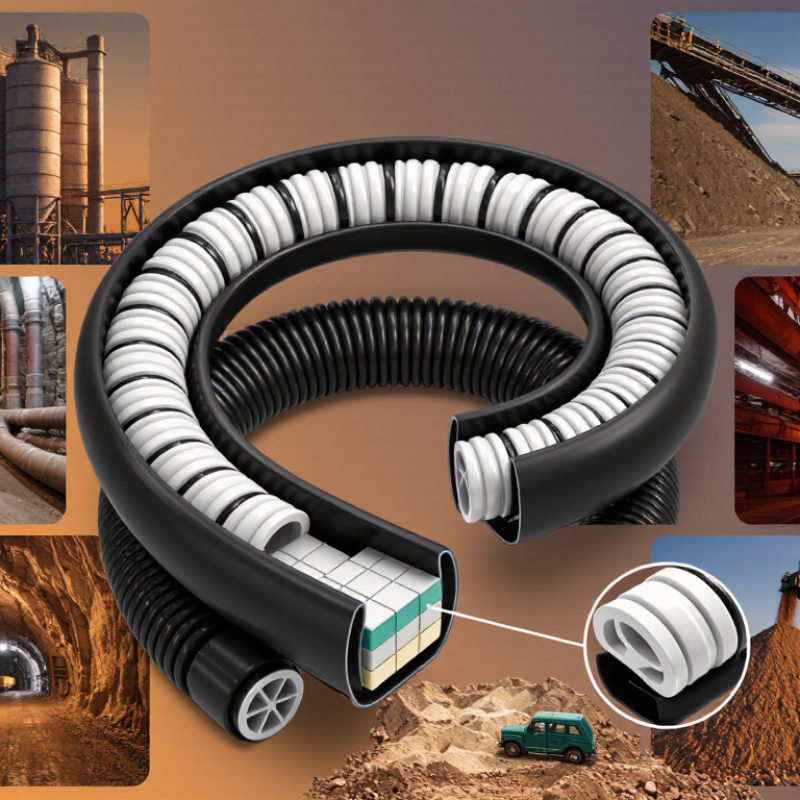
A Ceramic Lined Hose is a flexible hose designed to handle severe abrasion, impact, and material wear. Its inner surface contains ceramic segments, tiles, or molded ceramic compounds. These materials protect the hose when sharp particles move through it at high speed. Rubber or other flexible layers usually support the ceramic lining. This combination creates a balance between durability and movement.

In mining operations, ceramic lined hoses often carry ore, sand, tailings, and mineral slurry. Cement plants use them around grinding systems, transfer points, and dust collection equipment. Steel mills, power stations, dredging projects, and bulk handling facilities may also depend on this hose design. Field inspections often reveal wear at bends, reducers, and connection points. These areas deserve close attention.

Choosing the right Ceramic Lined Hose requires more than checking the pipe diameter. Engineers should review particle size, flow velocity, pressure, temperature, and chemical exposure. Installation angle matters too. A poorly supported hose can fail earlier than expected. Manufacturer test data, inspection records, and application experience provide stronger guidance than appearance alone.

Not every ceramic hose suits every system. That point is easy to miss. Some linings resist abrasion well but tolerate impact poorly. Others handle heat better but offer less flexibility. I have seen specifications look impressive until actual operating conditions exposed a weakness. Reliable selection therefore combines laboratory evidence, supplier expertise, and honest maintenance feedback. This article explains what a Ceramic Lined Hose is, where it is used, and which practical details affect its service life. Expect useful guidance, not exaggerated promises.
What Is Ceramic Lined Hose and Where Is It Used?

What Is a Ceramic Lined Hose?

What Is a Ceramic Lined Hose?

A ceramic lined hose is a flexible pipe with an internal layer of wear-resistant ceramic. The hose body usually uses rubber, thermoplastic elastomer, or another flexible compound. Small alumina, silicon carbide, or zirconia tiles protect the flow path. They resist abrasion from sand, ore, clinker, ash, and other sharp solids.

The design matters most where ordinary rubber wears quickly. In mining plants, operators use ceramic lined hoses for slurry transfer, tailings, concentrate, and crushed mineral fines. Cement facilities apply them around pneumatic conveying lines and material chutes. Steel plants may use them for abrasive dust and scale transport. The World Steel Association reported approximately 1.88 billion tonnes of crude steel production in 2024. That scale helps explain the need for dependable wear-control equipment, although steel output alone cannot predict hose demand.

Field selection requires more than checking the ceramic grade. Measure particle size, solids concentration, temperature, pressure, flow speed, and bending radius. A hose that survives abrasion may still fail from thermal shock or poor support. That mistake is common. Industry maintenance reports often connect premature failures with misalignment, excessive vibration, and incorrect installation, not only liner quality. The U.S. Geological Survey’s Mineral Commodity Summaries also shows the continuing scale of mineral and cement production, where abrasive handling remains routine. Ceramic lining extends service life, but it is not indestructible. Inspect joints, end connections, and exposed bends regularly.

How Is a Ceramic Lined Hose Constructed?

A ceramic lined hose is built around a flexible inner tube, usually made from rubber or a chemical-resistant polymer. The tube provides flexibility and seals the conveyed material. It does not carry the main wear burden. That job belongs to the ceramic lining.

Small ceramic tiles, rings, or shaped segments are fitted against the tube’s inner wall. Alumina is common because it combines high hardness with relatively low weight. The pieces may be bonded with a resilient adhesive or held within a castable ceramic compound. Their shapes matter. Rounded edges help reduce turbulence and limit stress at joints.

The hose then receives textile or steel reinforcement beneath its outer cover. This layer controls pressure and prevents excessive stretching. End connections are attached with careful attention to alignment. Poor alignment can create gaps where abrasive particles attack the backing tube. The lining is inspected for loose sections, cracks, uneven joints, and exposed adhesive. Some manufacturers also check thickness and flexibility after curing.

In real applications, construction is a balance. More ceramic improves wear resistance, but can reduce bending flexibility. Tight bends may damage the lining over time. This is where practical installation experience matters. A hose may look sound outside yet contain a hidden weak joint. That possibility deserves attention during inspection and maintenance.

How Does Ceramic Lining Improve Hose Performance?

What Is Ceramic Lined Hose and Where Is It Used?

How Does Ceramic Lining Improve Hose Performance?

A ceramic lined hose contains a tough ceramic layer inside a flexible outer tube. This lining protects the hose from abrasive materials moving at high speed. Common examples include sand, gravel, cement powder, mineral slurry, and ash. These materials can quickly wear ordinary rubber or plastic surfaces.

Ceramic lining improves hose performance by resisting cutting, scraping, and repeated impact. Small ceramic tiles or molded ceramic sections create a hard internal shield. The flexible cover still allows movement around pumps, bends, and loading points. This combination helps reduce unplanned hose replacement. It can also limit leakage caused by thinning walls. A small detail matters here: smooth ceramic surfaces may reduce material buildup inside the hose.

The best results depend on correct selection and installation. Operators should check particle size, flow speed, temperature, pressure, and bend radius. Ceramic is highly wear resistant, but it is not indestructible. Sharp impact, poor support, or excessive bending can damage the lining. Field inspections often find problems near flanges and hose ends first. Those areas deserve closer attention. No lining solves every failure mode. A thicker ceramic layer may improve service life, yet it can increase hose weight and reduce flexibility. Engineers must balance durability with handling needs. This decision is sometimes overlooked.

Which Industries Use Ceramic Lined Hoses?

A ceramic lined hose combines a flexible outer tube with a hard ceramic interior. The lining resists abrasion from sand, ore, cement, ash, and other aggressive materials. This design protects against wear while preserving some movement around pumps, bends, and transfer points. It is durable, but not indestructible.

Mining operations use ceramic lined hoses for slurry, crushed ore, tailings, and mineral concentrates. Sharp particles can quickly damage ordinary rubber hoses. Cement plants install them near mixers, pneumatic conveying systems, and dust collection equipment. Power stations often use them for fly ash, bottom ash, and limestone slurry. Steel mills also depend on them when moving scale, slag particles, or abrasive process residues. Glass factories and foundries may use them around sand and refractory materials.

Chemical processing sites select these hoses for certain abrasive, non-reactive mixtures. Compatibility still requires careful checking. Dredging systems use them to transport sand, silt, and gravel through floating or fixed pipelines. Agricultural processing can require them for grain husks or mineral additives, although ceramic lining may be excessive for softer materials. The correct choice depends on particle size, velocity, temperature, pressure, and bending frequency. A heavier hose may last longer, but it can slow maintenance. Field inspections often reveal an overlooked issue: poor support causes premature failure. Ceramic lining helps greatly, but it cannot correct unsuitable routing or sudden impact.

What Factors Guide Ceramic Lined Hose Selection?

A ceramic lined hose combines a flexible outer body with ceramic pieces or a bonded ceramic layer inside. It carries abrasive materials without wearing as quickly as ordinary rubber hose. Common uses include mining slurry, cement transfer, mineral processing, power plants, and dredging systems. The right choice begins with the material being conveyed, not the hose diameter alone.

Abrasiveness, particle size, flow speed, temperature, pressure, and chemical exposure all affect service life. Sharp particles at high velocity may require thicker ceramics and stronger anchoring. Hot material can weaken adhesives, while aggressive chemicals may attack the liner or hose cover. Check the minimum bend radius carefully. A hose that bends too tightly can crack its lining during installation. Connection design also matters, especially where flanges create local stress.

I have seen hoses fail because engineers focused only on ceramic hardness. Real installations are rarely tidy. Pulsation, vibration, trapped moisture, and poor alignment can cause unexpected damage. A thicker lining is not always better; it can reduce flexibility and increase weight. Inspect the expected failure zone, measure actual operating conditions, and compare them with verified test data. Request information about liner thickness, bond strength, pressure rating, temperature limits, and inspection methods. No selection guide is perfect. Field observations should challenge the original specification when conditions change.

What Is Ceramic Lined Hose and Where Is It Used?

Typical Mohs hardness of common ceramic lining materials used to improve resistance to abrasive solids.

Ceramic lined hoses are commonly selected for mineral slurry, sand, cement, ash, and other abrasive-material conveying. Alumina and silicon carbide provide very high hardness, while the final hose choice must also consider particle size, flow velocity, temperature, pressure, bend radius, and chemical compatibility.

FAQS

What is a ceramic lined hose?

It is a flexible hose with an internal layer of wear-resistant ceramic. The outer body may use rubber or a flexible thermoplastic compound. Ceramic tiles protect the flow path from sharp solids. It sounds simple. It is not.

Which materials can ceramic lined hoses handle?

They commonly transfer slurry, sand, ore, clinker, ash, mineral fines, and abrasive dust. Small ceramic tiles resist cutting and scouring from these particles. Material details still matter. Particle shape can change hose life.

Where are ceramic lined hoses commonly used?

Mining plants use them for slurry, tailings, and concentrate transfer. Cement facilities install them near pneumatic conveying lines and chutes. Steel and power facilities may use them for abrasive dust or scale. Conditions differ widely.

What factors guide hose selection?

Check abrasiveness, particle size, solids concentration, flow speed, temperature, and pressure. Chemical exposure also matters. Measure the minimum bend radius before installation. Diameter alone cannot guide a reliable selection.

Why can a ceramic lined hose fail early?

Misalignment, vibration, poor support, and incorrect installation can damage the hose. Thermal shock may crack the lining. Excessive bending can also break ceramic pieces. Hard ceramic is not magic.

Is a thicker ceramic lining always better?

No. A thicker lining may improve wear resistance but reduce flexibility. It can also add weight and stress nearby connections. The best thickness depends on actual operating conditions. More material is not automatically wiser.

How should operators install the hose?

Keep the hose within its stated bend radius. Support heavy sections and avoid sharp twisting near flanges. Align connected equipment carefully. Trapped moisture and loose supports deserve attention. Small installation errors can become large failures.

What should regular inspections examine?

Inspect joints, end connections, exposed bends, and areas near vibration sources. Look for cracks, bulges, leaks, and unusual stiffness. Compare wear with the original operating data. Field evidence may challenge the original specification.

What technical information should buyers request?

Request liner thickness, ceramic type, bond strength, pressure rating, and temperature limits. Ask about inspection methods and verified test results. Confirm chemical compatibility and bend requirements. Perfect predictions are rare. Conservative choices help.

Conclusion

A Ceramic Lined Hose is a flexible conveying hose designed to handle highly abrasive materials, corrosive substances, and demanding operating conditions. It typically combines a durable outer hose with a carefully fitted inner layer made from ceramic segments, tiles, or molded ceramic elements. This structure creates a protective passage that resists wear while preserving the hose’s ability to bend, absorb vibration, and accommodate movement.

The ceramic lining significantly extends service life by reducing damage caused by particles moving at high speed or under pressure. Ceramic Lined Hose products are commonly used in mining, mineral processing, cement production, power generation, steel manufacturing, dredging, and bulk material handling. Selecting the right hose depends on factors such as material hardness, particle size, flow speed, temperature, pressure, bending requirements, installation layout, and chemical exposure. Proper evaluation helps ensure reliable performance, minimizes maintenance interruptions, and provides an efficient solution for transporting abrasive materials.

Henry

Henry

Henry is a dedicated marketing professional with a profound expertise in the company's offerings. With years of experience in the industry, he possesses an impressive understanding of the market dynamics and consumer behaviors that drive success. Henry is committed to sharing his insights through......