 HESPER
HESPER
HESPER
The Chamber Plate is an essential component in various manufacturing processes, playing a crucial role in the production of precise and efficient parts. According to a report by the Global Manufacturing Institute, the demand for high-quality chamber plates has surged, with the market expected to grow by 15% annually through 2025. This increase highlights the significance of this technology in enhancing production capabilities.
Industry expert Dr. Emily Zhang, a leading authority on manufacturing components, states, "The chamber plate bridges the gap between precision and productivity." This statement underscores the pivotal role that chamber plates play in optimizing manufacturing workflows. The design and material specifications of chamber plates are critical for achieving the desired results in any production environment.
Despite the advancements, challenges remain in the industry. Sourcing high-performance materials can be costly, and quality standards vary significantly. These factors often require manufacturers to reassess their strategies. A focus on reliable suppliers and innovative design solutions can mitigate these issues. The evolving landscape of chamber plate technology calls for continuous improvement and adaptation in manufacturing practices.
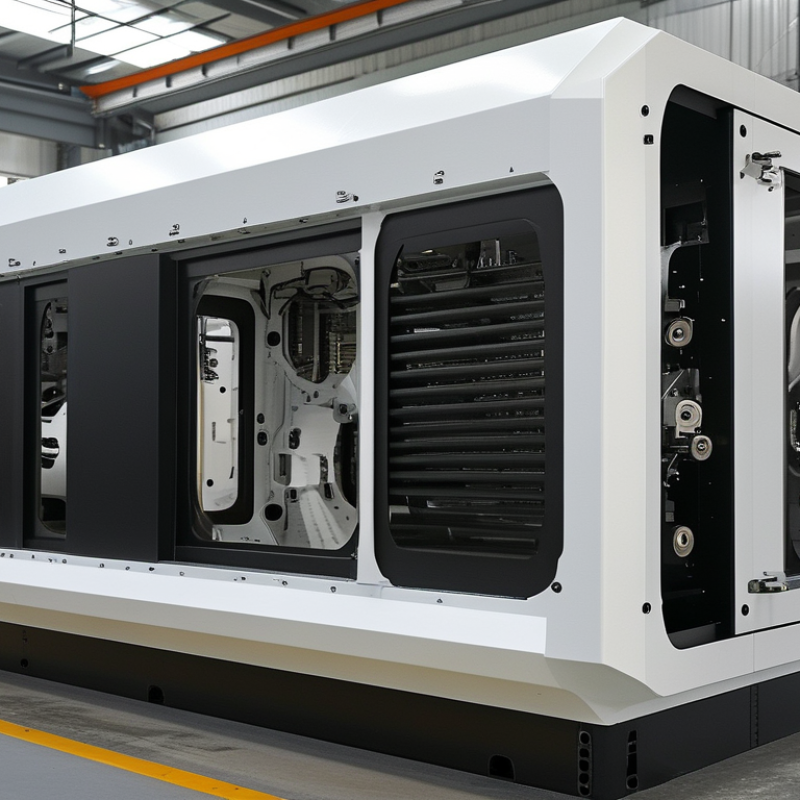
A chamber plate is a critical component in various manufacturing processes, especially in the fields of metalworking and plastics. It serves as a support structure, providing stability and precise alignment during machining operations. Typically made of materials like aluminum or steel, its design can vary depending on the application requirements. According to industry reports, incorporating high-quality chamber plates can increase operational efficiency by up to 30%.
In manufacturing applications, chamber plates often play a vital role in generating consistent pressure and distributing loads evenly. This is particularly essential in mold-making and casting processes. For instance, in the injection molding industry, using a well-crafted chamber plate can reduce cycle times by enhancing thermal conductivity. A study highlighted that improper use of chamber plates could lead to mold defects, increasing scrap rates significantly.
Employers need to evaluate their chamber plate choices carefully. Material selection, design, and maintenance all impact performance. Data from production studies indicate that neglected surface wear can lead to significant downtime. Failing to routinely inspect and replace worn chamber plates could result in project delays and additional costs. Addressing these concerns proactively fosters a continuous improvement mindset within manufacturing operations.
| Application | Material Used | Advantages | Common Industries |
|---|---|---|---|
| Automotive Manufacturing | Aluminum | Lightweight and corrosion-resistant | Automotive, Aerospace |
| Electronics | Copper | Excellent conductivity and heat dissipation | Consumer Electronics, Telecommunications |
| Pharmaceuticals | Stainless Steel | Biocompatibility and easy cleaning | Pharmaceuticals, Biotechnology |
| Food Processing | Polymer Composites | Durability and resistance to chemicals | Food and Beverage |
: Chamber plates are essential in molding and casting processes. They control material flow for precise dimensions.
They ensure consistent production standards, minimize defects, and improve quality control across manufacturing processes.
Issues like uneven wear and incorrect installation can lead to inefficiencies. Regular maintenance is crucial to avoid problems.
Inspections help identify signs of wear that impact performance. This ensures optimal functionality and quality in production.
They are widely used in sectors like aerospace, food processing, and pharmaceuticals for precise and durable components.
Standards include material thickness, pressure ratings, and temperature limits. Compliance ensures safety and enhances performance.
Chamber plates help maintain uniform temperature distribution, vital for material integrity during molding and casting processes.
Regularly review specifications and ensure alignment with industry standards to avoid equipment failures or potential recalls.
Investing in proper training and reliable suppliers can significantly enhance production integrity and reduce risks.
The quest for perfection is ongoing; manufacturers must innovate to address issues like alignment and thickness for better outcomes.
Chamber Plates are critical components in various manufacturing applications, designed to optimize processes and enhance product quality. Their primary function involves creating a controlled environment for processes that require precise conditions, thus significantly impacting the final output. By utilizing Chamber Plates, manufacturers can ensure consistency and reliability in their products, making them indispensable in industries such as pharmaceuticals, food processing, and electronics.
Key manufacturing processes that leverage Chamber Plates include molding, casting, and coating, where these plates help maintain optimal temperature and pressure levels. Adherence to industry standards and specifications is crucial for the effective implementation of Chamber Plates, ensuring they meet the necessary safety and quality benchmarks. Looking ahead, future trends in Chamber Plate technology are expected to focus on innovations that enhance energy efficiency and automation, ultimately leading to more sustainable manufacturing practices.
