
HESPER
In the rapidly evolving manufacturing landscape, the demand for high-quality "China Guide Roller and Hard Rubber Roller" has surged. According to a recent market analysis by Global Industry Analysts, the global conveyor systems market, which prominently features guide rollers, is projected to reach $7.1 billion by 2027. This growing market signals a need for reliable suppliers.
Industry expert Dr. Li Wei, a prominent figure in roller technology, emphasizes the importance of precision. He states, "Quality in guide rollers can significantly reduce operational downtime." This highlights the critical role that China’s manufacturing capabilities play in maintaining efficient production cycles for global buyers.
Despite advancements, challenges remain in material durability and performance consistency. Many manufacturers are still grappling with quality control issues. As the market expands, buyers must remain discerning and choose suppliers who adhere to stringent testing standards. Making informed decisions is essential for long-term success in utilizing China Guide Roller and Hard Rubber Roller products.
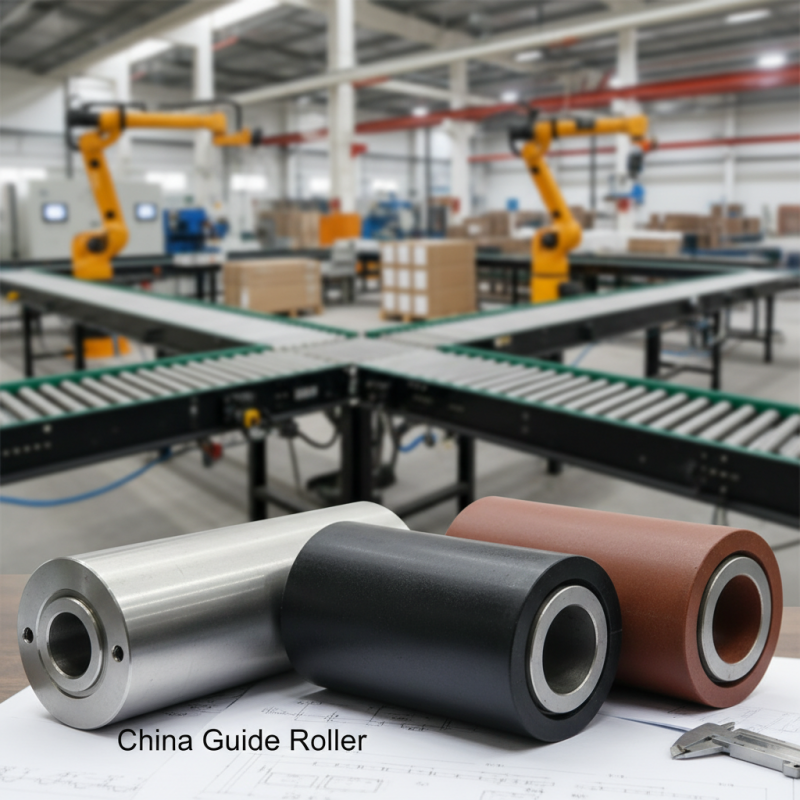
China's guide roller industry has seen significant growth in recent years. The global market for guide rollers was valued at approximately $1.3 billion in 2022. This demand is driven by various sectors, including manufacturing and logistics. China's leading manufacturers produce both guide rollers and hard rubber rollers, catering to diverse industry needs.
These manufacturers utilize advanced materials and production techniques. The focus is on durability and performance. Reports indicate that approximately 65% of guide rollers are made from hard rubber, known for its high resilience and low-friction properties. However, there are ongoing discussions about sustainability. Not all production processes follow eco-friendly practices, raising concerns about environmental impacts.
Quality assurance remains a crucial aspect of the manufacturing process. Many facilities are now adopting international standards to improve reliability. In fact, surveys show that about 68% of global buyers prioritize suppliers with certifications. Yet, inconsistencies in product quality persist across different manufacturers, leading to potential issues in long-term applications. As the competition intensifies, maintaining high standards is essential for future growth in the global market.
Hard rubber rollers have become vital components in various global industries. Their unique properties ensure durability and efficiency. Industries such as printing, packaging, and textiles rely heavily on these rollers. A report by the Global Market Insights indicates that the hard rubber roller market is projected to grow at a CAGR of 5.7% from 2021 to 2028.
In printing, hard rubber rollers are crucial for ensuring the consistency of ink distribution. They interact directly with substrates, influencing print quality. A miscalibrated roller can lead to imperfect prints. This reflects a broader issue where manufacturers often underestimate the impact of roller quality on overall production outcomes.
The packaging industry also benefits significantly from hard rubber rollers. Their resilience allows for high-speed operations without compromising quality. According to Transparency Market Research, the packaging sector accounts for over 30% of hard rubber roller usage. Despite these advantages, companies must regularly assess roller conditions, as wear and tear can detrimentally affect product quality. Addressing these concerns is essential for maintaining operational efficiency and meeting market demands.
High-quality guide rollers and hard rubber rollers play a crucial role in various industries, from manufacturing to logistics. These rollers ensure smooth operations and increased efficiency. According to a recent industry report, the global demand for rubber rollers is expected to grow at a CAGR of 5.4% from 2021 to 2028. This growth reflects the increasing reliance on reliable machinery.
One key feature of high-quality rollers is their durability. Materials used in their construction should withstand significant wear and tear. Hard rubber rollers should have excellent resistance to abrasion and chemicals. Moreover, the precise design and engineering of guide rollers increase their operational efficiency. If there's excessive friction, it can lead to decreased productivity.
Tip: When choosing rollers, consider their moisture and heat resistance. This can prevent premature wear. It might be tempting to go for the cheapest option. However, investing in quality rollers can offer long-term savings.
Another crucial aspect is the noise level generated during operation. High-quality rollers should minimize noise, contributing to a better working environment. According to research, excessive noise can lead to safety issues and employee dissatisfaction. However, not all manufacturers prioritize this feature.
Tip: Always ask for noise-level ratings when sourcing rollers. This can mitigate potential problems down the line. Recognizing the need for quality might involve a steeper initial investment, but it often leads to fewer disruptions in operations.
When comparing roller suppliers from China and the global market, several key factors emerge. China has established itself as a major player in roller manufacturing. Data from industry reports indicate that Chinese suppliers account for over 30% of global production. Their ability to leverage lower labor costs results in competitive pricing. However, there can be variability in quality. Some Chinese manufacturers may not meet international standards, leading to inconsistency in product performance.
On the other hand, global suppliers, often located in Europe and North America, generally uphold stringent quality controls. Reports show that these suppliers invest more in research and development. This results in innovative products that often outperform their Chinese counterparts. Yet, consumers may face higher prices. Additionally, supply chain issues can arise, particularly during peak demand periods. Buyers are left to weigh quality against affordability, which can be a challenging decision.
Flexibility is also a consideration. Chinese manufacturers can often adapt to specific buyer needs. They can produce custom rollers more swiftly than many global suppliers. This adaptability, however, does not always guarantee reliability. Some buyers report lengthy lead times for custom orders due to communication barriers and production constraints. Balancing cost, quality, and adaptability remains crucial for buyers navigating this complex landscape.
When sourcing rollers from China, international buyers must focus on quality and reliability. Industry reports indicate that the demand for guide rollers and hard rubber rollers is witnessing significant growth. The global market for industrial rollers is projected to reach $3.5 billion by 2025, with Asia-Pacific leading the expansion. In this competitive landscape, understanding the nuances of sourcing is crucial for success.
Buyers should consider the manufacturing standards and certifications of suppliers. Not all factories adhere to the same quality protocols. A lack of clarity in production processes can lead to subpar products or delays. It is essential to request samples before placing bulk orders to evaluate quality thoroughly. Buyers should also remember that communication barriers can complicate negotiations. Ensuring that specifications are clearly outlined in contracts is imperative.
Building relationships with manufacturers can yield better pricing and reliability. However, this requires time and careful vetting of potential partners. Some inexperienced buyers may rush into partnerships, only to face production issues later. Reports show that nearly 30% of international companies experience challenges with sourcing from China due to misunderstandings. Careful planning and a strategic approach can mitigate these risks and enhance the sourcing experience.
: Hard rubber rollers are essential in printing, packaging, and textiles. They ensure durability and efficiency in these industries.
They ensure consistent ink distribution. A miscalibrated roller can cause imperfect prints, impacting overall production quality.
Over 30% of hard rubber rollers are utilized in the packaging sector. Their resilience supports high-speed operations.
Regular checks help identify wear and tear. This is crucial to maintain product quality and operational efficiency.
Chinese suppliers offer competitive pricing but may vary in quality. Global suppliers typically maintain stricter quality controls.
Buyers often encounter higher prices and potential supply chain issues, especially during peak demand periods.
Yes, they can produce custom rollers quickly. However, this adaptability may sometimes lead to reliability issues.
The hard rubber roller market is expected to grow at a CAGR of 5.7% from 2021 to 2028.
Yes, it's crucial to weigh cost against quality. Low-priced options may not always meet international standards.
Companies should prioritize regular assessments and be mindful of the manufacturing source's reputation and quality assurance practices.
This article provides a comprehensive overview of China's position as a leading manufacturer of guide rollers and hard rubber rollers for global buyers. It highlights various prominent guide roller manufacturers in China and explains the critical role that hard rubber rollers play across various industries worldwide. The key features that distinguish high-quality guide and hard rubber rollers are examined, emphasizing their importance in ensuring operational efficiency.
Additionally, the article presents a comparative analysis between Chinese roller suppliers and their global counterparts, showcasing China's competitive advantages in pricing and production capabilities. For international buyers looking to source China guide roller and hard rubber roller, the article offers practical tips to navigate the procurement process effectively, ensuring that they make informed decisions while benefiting from China's manufacturing prowess.
