Choosing the right Ceramic Bonded Rubber Hose is crucial for various industrial applications. These hoses combine the flexibility of rubber with the durability of ceramic, making them ideal for handling abrasive materials. However, selecting one that meets specific needs can be challenging.
Consider factors like temperature resistance, pressure rating, and compatibility with materials. Many users overlook these details, leading to premature wear and costly replacements. Understanding the environment in which the hose will operate is essential. Are you working with high temperatures or aggressive chemicals? Assessing these aspects will prevent future regrets.
Moreover, not all Ceramic Bonded Rubber Hoses are created equal. Some might perform well initially but fail under prolonged stress. It’s vital to research and consult with experts to ensure reliability. Investing time in choosing the right hose is an investment in quality and performance.
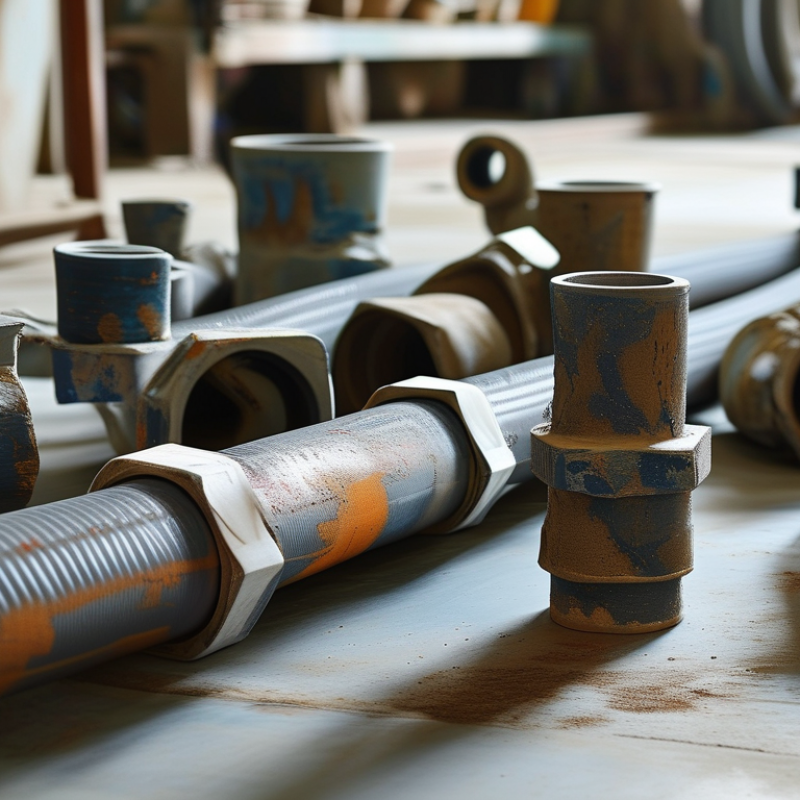
Understanding Ceramic Bonded Rubber Hose: Key Characteristics
Ceramic bonded rubber hoses are gaining popularity due to their unique characteristics. These hoses combine the flexibility of rubber with the durability of ceramic, making them suitable for demanding environments. According to an industry report by Research and Markets, the demand for advanced hose materials has increased by 15% annually. This trend stresses the importance of understanding the key features of ceramic bonded rubber hoses.
One significant aspect is their high resistance to wear and tear. Ceramic materials can withstand extreme abrasion, extending the hose’s lifespan. This is crucial in industries like mining and construction, where materials often face harsh conditions. Furthermore, these hoses can tolerate high temperatures, crucial for applications involving hot fluids. Yet, users should recognize potential downsides. The rigidity of ceramic can cause installation challenges, necessitating careful planning. A balance must be struck between flexibility and durability.
Maintenance is another critical factor. Ceramic bonded rubber hoses require periodic checks to avoid degradation. Failure to do so can lead to costly downtimes in industrial settings. A recent study highlighted that improper maintenance can reduce hose performance by up to 30%. It becomes vital to factor in these considerations when selecting a hose type. Understanding these characteristics will guide users in making informed choices for their specific needs.
Evaluating Applications for Ceramic Bonded Rubber Hose
When evaluating applications for ceramic bonded rubber hoses, understanding the specific needs of your operations is crucial. These hoses are known for their durability and heat resistance. For instance, industries that require high-temperature environments, such as manufacturing and chemicals, benefit greatly from these hoses. According to a report by the Rubber Manufacturers Association, the global demand for such specialized hoses is expected to grow by 5% annually.
Ceramic bonded rubber hoses are widely used in abrasive environments. They are ideal for transporting materials like sand, gravel, and chemicals. The unique combination of ceramic and rubber allows for excellent abrasion resistance while remaining flexible. This is particularly important in industries like mining, where equipment often suffers from wear and degradation. The Composite Industry Report indicates that up to 30% of operational downtime can be attributed to equipment failure caused by inadequate hose performance.
Choosing the right hose involves considering the specific applications you'll encounter. Factors such as temperature, pressure, and chemical compatibility must be assessed. It can be tempting to opt for generalized products, but this may lead to premature failure. Investing in specialized hoses may yield long-term savings by reducing maintenance costs and improving efficiency.
Factors to Consider When Selecting Ceramic Bonded Rubber Hose
Choosing the right ceramic bonded rubber hose can be challenging.
Several factors influence your decision. One significant consideration is the hose's temperature resistance.
High temperatures can compromise performance, so ensure the hose can handle your working conditions.
Another vital element is the flexibility of the hose.
If the hose is rigid, it might not fit well in tight spaces.
Consider the installation area and required bends.
Also, check the hose's chemical compatibility with the materials it will carry.
Mismatched materials can lead to hose degradation.
Durability is key, too.
Assess the hose’s resistance to abrasion and wear.
A hose that shows signs of wear early can lead to costly downtime.
Always think about maintenance requirements.
A specialized hose may require more care than a general-purpose option.
These details can affect your long-term satisfaction with your investment.
Comparing Different Types of Ceramic Bonded Rubber Hose
When selecting a ceramic bonded rubber hose, it’s crucial to compare the available types. Different applications demand diverse properties from these hoses. For example, high-pressure environments often require hoses with a specific construction that enhances durability. A report from the Hose and Ducting Association notes that hoses with a higher ceramic content can withstand extreme conditions better than standard rubber hoses.
Manufacturers commonly categorize ceramic bonded rubber hoses based on their temperature tolerance and abrasion resistance. A study by the American Society for Testing and Materials indicated that hoses designed for high abrasion can last up to 50% longer than standard options. However, not all hoses perform equally well. Some may exhibit premature wear under certain conditions, especially in applications with fluctuating pressures and temperatures.
The investment in a ceramic bonded rubber hose should align with your operational needs. Understanding the specific conditions of usage, including pressure, temperature, and chemical exposure, is essential. Choosing the wrong type may lead to frequent replacements and increased costs. While newer formulations show promise, they require careful evaluation to ensure they meet the desired performance standards.
Comparing Different Types of Ceramic Bonded Rubber Hoses
This chart compares the pressure ratings of various types of ceramic bonded rubber hoses. Type A has a rating of 250 psi, Type B 300 psi, Type C 200 psi, and Type D 350 psi. Choose the right type based on intended application and pressure requirements.
Maintenance and Care Tips for Ceramic Bonded Rubber Hose
Ceramic bonded rubber hoses are known for their durability and resistance to wear. Proper maintenance is essential to maximize their lifespan. Regular inspection is critical. Check for cracks, abrasions, or signs of deterioration. Ideally, these hoses should be examined monthly. Research shows that a proactive maintenance approach can extend hose life by up to 30%. This helps prevent unexpected failures, translating into significant cost savings.
Cleaning is another vital aspect. Use a mild detergent and warm water. Avoid harsh chemicals, as they can degrade the hose material. Rinsing thoroughly is crucial to remove all residues. Drying is equally important—allow the hose to air dry completely before storage. Storage conditions affect performance. Keeping the hose in a dry and cool area prevents premature aging.
Make sure to avoid sharp bends and avoid excessive tension on the hose. Storing them flat or coiled loosely helps maintain their integrity. Over time, even with the best care, hoses may lose their effectiveness. Regularly replacing old hoses ensures safety and efficiency. An industry survey indicated that 40% of failures in hose systems are due to improper maintenance. Maintaining vigilance helps you avoid these common pitfalls.
FAQS
: Ensure the hose can withstand your working temperatures. High heat can damage performance and longevity.
A flexible hose fits better in tight spaces. Rigidity can make installation challenging in confined areas.
Mismatched chemicals can degrade the hose materials. Always verify compatibility with the substances being carried.
Check the hose’s resistance to abrasion and wear. Early signs of wear can lead to costly repairs.
Specialized hoses may require more care and inspection. Neglecting this can affect their lifespan and performance.
Hoses vary based on temperature and abrasion resistance. Choose one that suits your specific application needs.
Selecting an unsuitable hose can lead to frequent replacements. This can increase long-term costs and downtime.
High-pressure applications need hoses specifically designed for durability. Ordinary hoses may fail quickly under these conditions.
Some hoses can experience premature wear under variable conditions. Always consider these factors in your selection.
Newer options show promise, but evaluate them carefully. Ensure they meet performance expectations in your application.
Conclusion
Choosing the right Ceramic Bonded Rubber Hose is essential for optimizing performance in various applications. This article explores the key characteristics of these hoses, emphasizing their durability, flexibility, and resistance to wear and tear. Understanding the specific applications where Ceramic Bonded Rubber Hose can be utilized is crucial to making an informed decision.
When selecting a Ceramic Bonded Rubber Hose, several factors must be considered, including temperature resistance, pressure ratings, and compatibility with materials being transported. The article also provides a comparative overview of different types of Ceramic Bonded Rubber Hose, helping users to identify the best fit for their needs. Lastly, maintenance and care tips are highlighted to ensure longevity and reliability of the Ceramic Bonded Rubber Hose in service.
 HESPER
