
HESPER HESPER

Why Choose Composite Hose for Your Industrial Needs?

Time:2026-09-02 Author:Sienna
0%

In the industrial sector, the selection of materials is crucial for safety and performance. Composite hoses stand out for their versatility and reliability. According to a report by the International Journal of Industrial Chemistry, the adoption of composite hoses in chemical handling has increased by 25% over the last five years. This growth is driven by their unique construction, which combines layers of different materials for enhanced resistance.

Composite hoses offer significant advantages over traditional rubber hoses. They are lighter, more flexible, and less prone to kinking. This flexibility allows for easier handling in tight spaces, which many industries encounter. Moreover, the American Petroleum Institute reports that composite hoses can handle a wider range of temperatures and pressures. However, it is essential to consider the specific application requirements before choosing composite over other types.

While composite hoses provide numerous benefits, manufacturers must also prioritize quality and compliance with safety standards. The right production practices make a difference in performance and longevity. A careful evaluation of available options can lead to better decisions in an industrial setting.
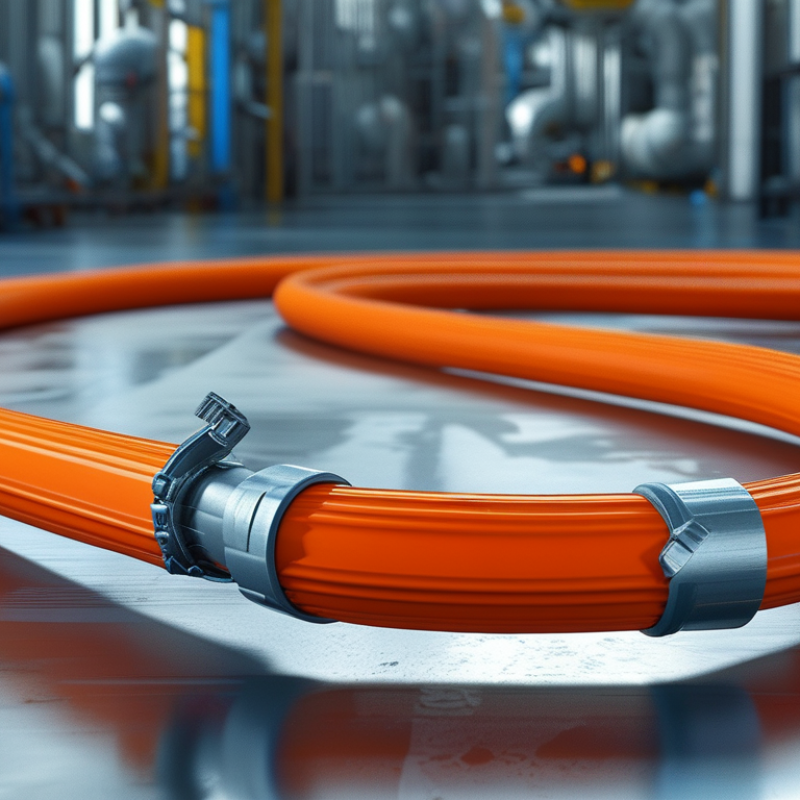
Why Choose Composite Hose for Your Industrial Needs?

Understanding Composite Hose: Composition and Design Features

Composite hoses are increasingly favored in industrial applications due to their unique composition and design features. These hoses are constructed with multiple layers, typically featuring an inner core made of thermoplastic material. This core is often surrounded by layers of reinforcement, which provide strength and flexibility. The outer layer is usually made of a durable material resistant to abrasion and chemical damage. This multi-layer design allows for a lightweight yet strong product.

One notable feature of composite hoses is their versatility. They can handle a wide range of substances, from fuels to chemicals. This makes them ideal for various industries, such as oil and gas, food processing, and more. However, the complexity of their construction means that not every composite hose is equal. It's essential to consider the specific needs of your application. Some hoses might not withstand extreme temperatures or chemicals, which can lead to premature failures.

Another aspect to ponder is the maintenance aspect. While composite hoses are generally low-maintenance, they require regular inspection. This ensures that any wear or damage is caught early. Failing to do so may result in leaks or safety hazards. Investing in high-quality hoses and ensuring proper care can lead to greater efficiency and safety in industrial operations.

Advantages of Composite Hoses Over Traditional Hoses in Industry

Composite hoses have gained popularity in various industries for their unique advantages. One major benefit is their lightweight design. This makes them easier to maneuver and handle compared to traditional rubber or metal hoses. Their flexibility allows for better adaptability in tight spaces, reducing the risk of kinking. Additionally, they can withstand extreme temperatures and pressures, which is crucial for industrial applications.

Another notable advantage is their resistance to chemical exposure. Composite hoses are crafted from multiple layers of materials, providing excellent protection against corrosive substances. This durability enhances safety in hazardous environments. However, it is important to acknowledge that not all composite hoses are created equal. Variability in quality can lead to unexpected failures, so careful selection based on specific applications is essential.

Moreover, the lifespan of composite hoses can sometimes be shorter than expected. Regular inspections and maintenance are necessary to ensure their reliability. Despite these considerations, the benefits often outweigh the drawbacks. With the right approach, composite hoses can significantly enhance operational efficiency in industrial settings.

Applications of Composite Hoses in Various Industrial Sectors

Composite hoses are increasingly popular across various industrial sectors due to their unique properties. These hoses are flexible, lightweight, and highly resistant to chemicals and temperature fluctuations. They are ideal for the transport of liquids and gases in diverse applications, from chemical processing to food and beverage handling.

In the chemical industry, composite hoses safely convey corrosive substances while reducing the risk of leaks. Their design features a combination of materials, enhancing strength and durability. Similarly, in the oil and gas sector, these hoses withstand harsh conditions and minimize the potential for spills. Their adaptability makes them suitable for various transfer methods, including onshore and offshore operations.

When selecting composite hoses, consider the specific needs of your application. Assess factors like temperature, pressure, and compatibility with materials. Regular inspections are essential to ensure optimal performance, as wear and tear can occur over time. A proactive approach can prevent costly downtime and enhance safety standards. Always prioritize reliability; it’s key in industrial operations.

Applications of Composite Hoses in Various Industrial Sectors

Maintenance and Care Tips for Extending Composite Hose Lifespan

Composite hoses are valuable in various industrial applications. However, to maximize their lifespan, proper maintenance and care are essential. Regular inspections can reveal signs of wear or damage. Pay attention to leaks, cracks, or fraying edges. These may seem minor but can lead to significant issues if ignored.

Cleaning is crucial for maintaining the integrity of composite hoses. Use mild detergents and avoid harsh chemicals that can degrade materials. Rinse thoroughly after cleaning. Also, inspect the fittings regularly. Ensure they are tight and free from corrosion. Loose fittings can lead to leaks and reduced efficiency.

Proper storage is equally important. Avoid exposing hoses to extreme temperatures and direct sunlight. Coiling them loosely prevents kinking, which can cause internal damage. Consider creating a checklist for regular maintenance. This small step can help remind workers to prioritize hose care. A well-maintained composite hose can save money and time in the long run. Reflect on your current practices. Are they sufficient?

Safety Considerations When Using Composite Hoses in Work Environments

Composite hoses are gaining popularity in industrial settings for their flexibility and durability. However, safety is paramount when it comes to their use. Proper storage and handling are crucial. Hoses should never be subjected to extreme heat or sharp objects, as damage may lead to leaks. Regular inspection is vital to ensure the hoses remain intact, especially in environments with hazardous materials.

Training personnel on the proper use of composite hoses can greatly enhance workplace safety. Employees should know how to identify signs of wear and tear. They also need to understand the correct methods for connecting and disconnecting hoses. Clear labeling and proper signage can help prevent accidents. Maintaining good communication among team members about potential hazards will foster a safer environment.

Despite their advantages, composite hoses may sometimes fail unexpectedly. It’s essential to have contingency plans in place. Keep emergency equipment readily accessible. Regular safety drills can prepare teams for potential incidents. Reflecting on past experiences will help improve safety protocols. Organizations must continuously evaluate their processes to ensure user safety while utilizing composite hoses effectively.

Why Choose Composite Hose for Your Industrial Needs? - Safety Considerations When Using Composite Hoses in Work Environments

Feature Description Safety Consideration Common Applications
Flexibility Easily maneuverable, allowing for complex routing and installation. Minimize risk of kinks or breaks during movement. Chemical transport, fuel transfer.
Lightweight Significantly lighter than traditional hoses, facilitating easy handling. Reduces fatigue and injury risks for workers. Industrial applications, ship bunkering.
Chemical Resistance Resistant to a wide range of chemicals, minimizing risk of leaks and failures. Regular inspections needed to identify wear or damage. Petroleum, chemical processing.
Temperature Versatility Can operate effectively in a wide range of temperatures. Ensure proper maintenance to prevent thermal degradation. Cryogenic applications, hot liquid transfer.
Durability Constructed with layers for enhanced strength and rupture resistance. Routine checks to maintain structural integrity and performance. Agricultural, mining industries.

FAQS

: How often should I inspect composite hoses?

: Regular inspections are essential. Check for signs of wear, leaks, or cracks frequently.

What should I use to clean composite hoses?

Use mild detergents for cleaning. Harsh chemicals can damage the materials.

How can I store composite hoses properly?

Store hoses away from extreme temperatures and sunlight. Loosely coil them to prevent kinking.

Why is training important for using composite hoses?

Training helps personnel recognize wear signs and use hoses correctly. This enhances workplace safety.

What are the signs of damage on composite hoses?

Look for leaks, cracks, or fraying edges. Even minor issues can lead to larger problems.

How can I improve safety when using composite hoses?

Maintain clear labeling and communication. Regular safety drills also prepare teams for emergencies.

What happens if composite hoses are not properly maintained?

Neglect can lead to leaks and reduced efficiency, impacting safety and costs.

Should I have contingency plans for hose failures?

Yes, keep emergency equipment accessible. Reflect on past incidents to improve response plans.

Can the environment affect composite hose lifespan?

Yes, extreme heat or sharp objects can damage hoses, leading to increased wear and tear.

Is it enough to do maintenance only during inspections?

Regular checklists can help prioritize hose care beyond just inspection times. Reflect on your routine.

Conclusion

Composite hoses are an innovative solution for various industrial applications, combining flexible and durable materials that enhance their performance. Their unique composition and design features grant them advantages over traditional hoses, such as lower weight, improved chemical resistance, and enhanced flexibility. These hoses are utilized across various sectors, including oil and gas, chemicals, and food processing, proving their versatility and reliability in demanding environments.

To ensure the longevity of a composite hose, proper maintenance and care are essential. Regular inspection and cleaning, combined with adherence to usage guidelines, can significantly extend its lifespan. Additionally, safety considerations are paramount when using composite hoses, necessitating training and awareness of best practices in workplace settings. Overall, adopting composite hoses can lead to improved operational efficiency and safety in industrial applications.

Sienna

Sienna

Sienna is a skilled marketing professional with a deep expertise in our company’s core products and services. With a passion for innovation and detail, she plays a pivotal role in crafting insightful blog posts that not only highlight the unique features of our offerings but also provide valuable......