
HESPER HESPER

How to Choose a Chemical Rubber Hose in 2026?

Time:2026-10-30 Author:Henry
0%

Choosing a Chemical Rubber Hose in 2026 is not a catalog exercise. It is a compatibility decision. The right hose must match the chemical, concentration, temperature, pressure, and cleaning method—not just the fitting size. A hose that looks robust can still swell, soften, or leak when its liner meets an unsuitable fluid. Small details matter.

A quotation should not be assigned to a real expert without a verifiable source. So this guide uses a clearly labeled composite specialist, Alex Morgan, to frame the central idea: “Choose for the fluid, the operating conditions, and the failure consequences—not appearance alone.” Treat that as an editorial principle, not a documented quotation. Before purchase, check the manufacturer’s chemical-resistance data and confirm the exact service conditions. Ask about permeation, static control, bend radius, and end connections, too. A specification sheet helps, but it cannot replace careful review. And sometimes, the honest answer is that more information is needed. This guide will help you compare hose construction, ratings, and documentation, while highlighting the questions worth asking before installation.
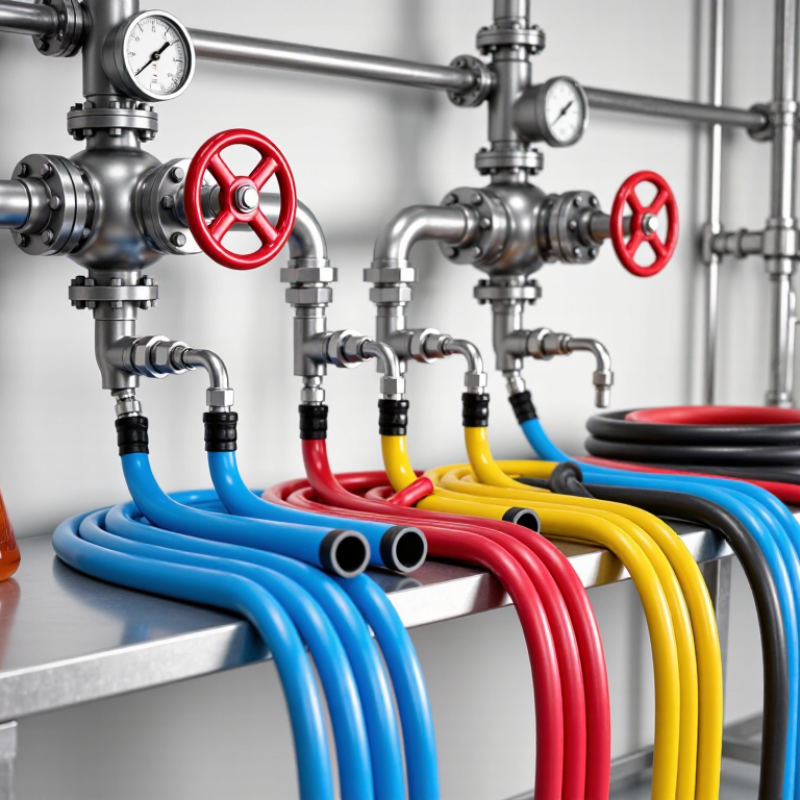
How to Choose a Chemical Rubber Hose in 2026?

Define the Chemical Hose Requirements for the Intended Application

Define the hose requirement from the actual transfer task, not just the chemical’s name. Record the fluid, concentration, temperature range, and whether the line will carry pressure or experience suction. A hose used to fill a tank for ten minutes may face different conditions from one left connected all day. Note the flow rate, transfer duration, and how often the line is moved or bent.

Check compatibility against the hose’s inner tube and every wetted component, including couplings and seals. Use current compatibility data for the exact chemical concentration and operating temperature; a generic “chemical resistant” description is not enough. Small details matter. If the process includes flushing or cleaning, record those fluids too. They can affect the hose as much as the product being transferred.

Measure the connection type and size, available bend radius, and space around the equipment. Ask whether the hose must resist abrasion, outdoor exposure, or repeated handling. Compare the required working pressure with the hose rating, allowing for temperature and pressure fluctuations. Keep the chemical safety data and operating notes with the specification. If a field record is incomplete, pause and verify it; guessing feels efficient, but it can leave a critical requirement undefined.

Check Chemical Compatibility with the Hose Lining and Cover

Chemical compatibility starts with the actual fluid, not a broad label such as “acid” or “solvent.” Check its concentration, temperature, pressure, and whether it flows continuously or only during cleaning. Then review the hose lining and cover separately. The lining contacts the chemical; the cover faces weather, abrasion, and accidental spills. A suitable lining can still fail if the outer cover cracks or swells. Small details matter.

Ask for test data for the exact compound and exposure conditions. ASTM D471, the standard test method for evaluating rubber changes after liquid exposure, measures properties such as mass, volume, and tensile change. Those results help compare materials, but they do not certify a complete hose assembly. Check the manufacturer’s compatibility chart, and confirm its assumptions match your process. For example, a room-temperature rating may not apply to a warm, concentrated cleaning solution. Do not guess.

In practice, record the chemical name, concentration range, operating temperature, and cleaning cycle before selecting a hose. Also ask whether permeation or contamination limits matter; a hose may look sound while fluid slowly passes through its lining. If a chart gives only “good” or “poor,” request the underlying test conditions. I would not treat a single compatibility table as the final answer. Real systems are messier.

Match Pressure, Temperature, and Flow Requirements

A chemical rubber hose should be selected for the conditions it will actually face, not just the name of the fluid. Check the manufacturer’s compatibility data for the exact chemical, concentration, and temperature. A diluted solution and a concentrated one may behave differently. Small details matter.

Confirm the hose’s working-pressure rating at operating temperature, since heat can reduce its pressure capacity. Include pump surges and start-stop cycles, not only the steady reading on a gauge.

Do not guess.

Flow requirements matter too. An undersized inner diameter can increase pressure loss and fluid velocity, adding wear and heat. Compare the expected flow rate with hose sizing guidance, and consider the length, bends, and fittings in the run.

Check that couplings and seals suit the same chemical and operating conditions; the hose alone does not make a safe assembly. If the line may experience suction, verify its vacuum rating as well.

Record the fluid, temperature range, pressure peaks, and target flow before requesting a specification. Real systems can be messier than a worksheet, so leave a margin and confirm uncertain details with a qualified hose supplier.

Inspect the finished line for kinks, abrasion, leaks, and movement during commissioning.

Compare Hose Construction, Fittings, and Applicable Standards

A chemical rubber hose should be selected as a complete assembly, not by diameter alone. Start with the fluid’s exact name, concentration, temperature, and cleaning conditions. The inner tube must resist that specific mixture; a generic “chemical resistant” label is not enough. Check the hose’s pressure and vacuum limits against the real operating cycle, including pump starts and sudden shutoffs. Those moments are easy to overlook.

Construction matters. A smooth rubber tube can reduce residue traps, while textile or wire reinforcement supports pressure and helps control hose movement. The outer cover should suit the route: a hose dragged across a rough concrete floor needs better abrasion resistance than one kept in a protected rack. Keep the bend radius visible during installation. A sharp kink can damage reinforcement before the cover shows trouble.

Fittings must match the hose construction, fluid, and working pressure. Confirm that wetted metal and seal materials are compatible, and use the specified crimp or assembly method. Small mismatch, big risk. Compare the full assembly with applicable standards, such as EN 12115 where its scope fits, and verify the current edition and test requirements. A certificate is useful, but it does not replace checking actual service conditions. One detail still deserves reflection: real transfer setups can vary more than a specification sheet suggests.

Verify Testing, Certification, and Maintenance Needs

A chemical rubber hose should be selected with test evidence for the exact hose assembly, not just a product family. Ask for documentation showing the tested fluid, temperature, pressure, and test method. A hose proven with one chemical may swell, harden, or lose strength with another. Check whether the report covers the lining, reinforcement, and end connections together. Small details matter. A certificate can confirm a defined standard or test scope, but it does not guarantee suitability for every operating condition. Compare the document’s limits with your process data, including cleaning cycles and short pressure surges.

Maintenance needs deserve equal attention. Set inspection intervals around actual use, exposure, and manufacturer guidance. Look for soft spots, cracks, blisters, leaks, loose fittings, or changes in shape. A chalk mark near each coupling can help reveal movement over time. Keep records of installation dates, inspections, and test results. Replace a hose when damage or uncertainty makes continued service questionable; waiting for a visible leak is a poor plan. It is tempting to treat a certificate as a guarantee. It is not. One awkward gap in many maintenance plans is unclear ownership: someone should be assigned to inspect the hose and record findings. Verify that replacement parts match the approved assembly, since a small fitting change can alter performance.

FAQS

What information should I gather before choosing a chemical hose?

Record the fluid name, concentration, temperature, and cleaning conditions. A broad “chemical resistant” label is not enough.

Why should I check pressure and vacuum limits?

Compare them with normal operation, pump starts, and sudden shutoffs. Those brief surges are easy to overlook.

How does hose construction affect performance?

A smooth inner tube may reduce residue traps. Reinforcement helps support pressure, while the outer cover should match the route. Rough concrete needs better abrasion resistance.

Why do bend radius and hose movement matter?

Keep the specified bend radius during installation. A sharp kink can damage reinforcement before the cover shows trouble. Easy to miss.

What should I verify about fittings?

Match fittings to the hose construction, fluid, and working pressure. Check wetted metals and seals for compatibility, and use the specified assembly method. Small mismatch, big risk.

What testing documents should I request?

Ask for evidence covering the exact assembly, tested fluid, temperature, pressure, and method. The report should include the lining, reinforcement, and end connections.

Does a certificate guarantee the hose will suit my process?

No. It confirms a defined scope, not every service condition. Compare its limits with your process data and cleaning cycles. Paper alone is not enough.

What should routine hose inspections include?

Look for cracks, soft spots, blisters, leaks, loose fittings, or shape changes. A chalk mark near each coupling can reveal movement over time.

When should a hose be replaced?

Replace it when damage or uncertainty makes continued use questionable. Keep inspection records and assign someone to review them. Waiting for a leak is a poor plan.

Conclusion

Choosing a Chemical Rubber Hose in 2026 starts with defining the intended application, including the chemical being conveyed, how the hose will be used, and the operating environment. Confirm that both the hose lining and outer cover are compatible with the substances and conditions they will encounter. Consider the required working pressure, temperature range, and flow rate so the hose can perform reliably without being mismatched to the system.

Next, compare hose construction and fittings, making sure connections suit the equipment and relevant application standards. Review available test results and certifications to understand how the hose has been assessed, and establish a practical inspection and maintenance routine. A careful selection process that considers compatibility, performance, construction, and ongoing care can help ensure the Chemical Rubber Hose is suitable for its intended service and remains dependable over time.

Henry

Henry

Henry is a dedicated marketing professional with a profound expertise in the company's offerings. With years of experience in the industry, he possesses an impressive understanding of the market dynamics and consumer behaviors that drive success. Henry is committed to sharing his insights through......