
HESPER HESPER

What is Concrete Delivery Hose and How to Choose the Right One?

Time:2026-06-19 Author:Sienna
0%

In the construction industry, the choice of a Concrete Delivery Hose is crucial. According to industry expert John Smith, “Selecting the right hose can significantly impact project efficiency.” A Concrete Delivery Hose transports concrete from the mixer to the pouring site. It plays a vital role in ensuring smooth operations.

When choosing a Concrete Delivery Hose, consider factors such as diameter, length, and material. Each project may have unique requirements. Many overlook how the hose's flexibility affects maneuverability on-site. A more flexible hose can navigate tight spaces but may wear out faster. Users often report frustrations with hose durability.

Selecting the ideal Concrete Delivery Hose involves careful consideration. It requires balancing quality, flexibility, and cost. Never underestimate the importance of a reliable hose in achieving project deadlines. Making informed choices can lead to better results but also presents challenges. Understanding these intricacies is essential for successful concrete delivery.
What is Concrete Delivery Hose and How to Choose the Right One?

What is Concrete Delivery Hose?

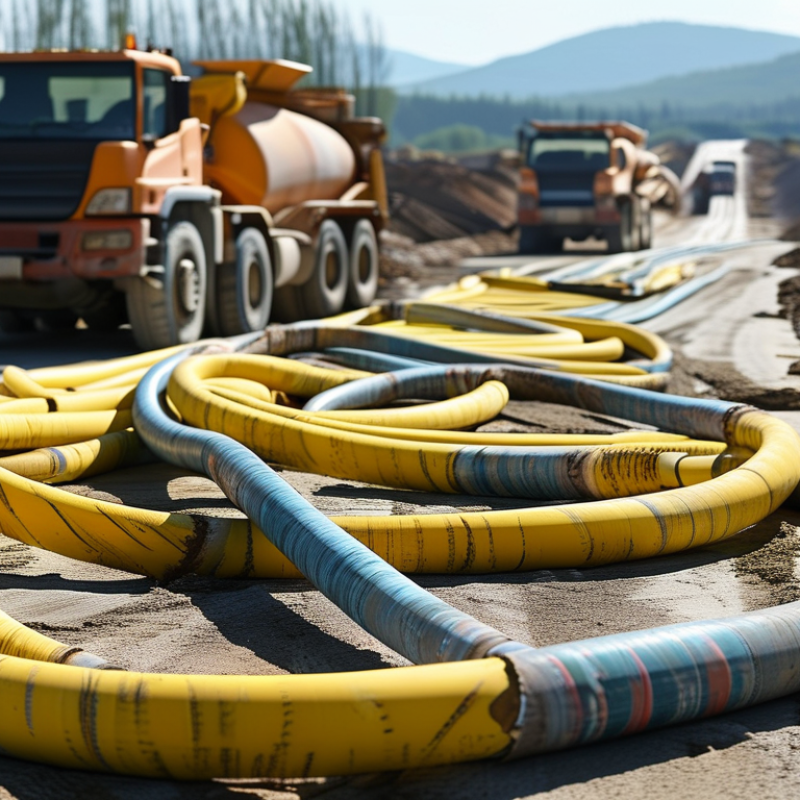
Concrete delivery hoses are essential in construction and concrete pumping. They transport liquid concrete from mixing sites to the application area. Understanding their features is crucial for any project.

These hoses are typically made from durable materials like rubber or PVC. A strong exterior ensures they withstand high pressure and abrasion. Furthermore, they come in various diameters, affecting the flow rate and the distance concrete can be transported. Choosing the right size is often challenging. A too-small hose may restrict flow, leading to clogs. Conversely, a larger hose can be cumbersome and heavy, which complicates maneuverability.

The length of the hose also plays a vital role. Longer hoses are more versatile but can increase pressure loss. Potential wear over time can be an issue. Concrete delivery hoses must be inspected regularly for wear or damage. This ensures safety and efficiency during use. Recognizing the signs of wear is not always straightforward. It's essential to consistently check for cracks or leaks, as these can lead to significant issues at job sites. Understanding these details can greatly enhance project outcomes.

Key Features of Concrete Delivery Hoses

Concrete delivery hoses play a pivotal role in construction. They transport concrete from the mixing plant to the pouring site. Choosing the right concrete delivery hose is essential for efficiency and safety.

Key features include the hose diameter and material. Hoses typically come in sizes like 3-inch or 4-inch diameters. A study by the American Concrete Institute highlighted that an appropriate diameter can significantly affect flow rates. For instance, a larger diameter minimizes resistance, ensuring consistent flow.

Another critical factor is the material. Rubber hoses are heavy-duty, while PVC hoses are lighter and easier to handle. However, rubber offers better durability under high pressure. According to the Concrete Pumping Association, a hose should withstand a minimum pressure of 1,500 PSI for safe operation.

Tip: Consider factors like job site conditions and concrete type. A flexible hose may be necessary for tight spaces.

Be mindful of hose length. Longer hoses may lead to pressure drops. A report from the National Ready Mixed Concrete Association shows that exceeding 100 feet can result in reduced flow efficiency.

Tip: Regularly inspect hoses for wear. A small crack can lead to significant issues down the line. An overlooked detail can compromise the whole project.

Types of Concrete Delivery Hoses Available

Concrete delivery hoses are vital in construction. They transport concrete from mixers to placement locations. Understanding their types helps ensure the right choice for your project.

There are several types of concrete delivery hoses. First, suction hoses handle the intake of concrete. They are flexible and designed for ease of use. Another type is discharge hoses. These are more rigid, constructed to withstand high pressure during the pouring process. Reinforcement is crucial for both types. Steel wire is often embedded in the material, enhancing durability and safety.

Choosing the right hose involves evaluating the specific needs of your job. Consider the size and distance of your pour. A standard hose may not be suitable for larger projects. Quality matters as well. Inspecting the hose for wear and tear is important before use. Reflections on previous experiences can guide future decisions. Not every hose is perfect for every circumstance.

Factors to Consider When Choosing a Delivery Hose

When selecting a concrete delivery hose, several crucial factors should guide your choice. First, consider the hose diameter. Generally, a 3-inch or 4-inch diameter is suitable for most applications. According to industry reports, hoses with larger diameters can handle higher volumes. This helps in speeding up the delivery process, especially for larger projects.

Next, look at the material and construction of the hose. Rubber hoses are often preferred for their flexibility and durability. Meanwhile, hard-walled hoses are excellent for high-pressure needs. A reliable report from the American Concrete Pumping Association states that hoses should withstand pressures up to 1500 PSI to ensure safety and efficiency.

Another point of consideration is the length of the delivery hose. Longer hoses can lead to a drop in pressure, which affects the concrete flow. For projects requiring long-distance delivery, using multiple shorter hoses with appropriate connectors might be better. Don’t overlook regular maintenance. If hoses become worn or damaged, it can impact performance. Always inspect hoses before use to ensure reliability during concrete delivery.

Maintenance Tips for Concrete Delivery Hoses

Concrete delivery hoses are essential for transporting concrete during construction. Proper maintenance of these hoses can significantly enhance their lifespan and performance. Regular inspection is critical. Look for signs of wear, cracks, or leaks. It’s advisable to check connections and fittings to ensure they are secure.

Tips: After each use, clean the inside of the hose. Residual concrete can harden and create blockages. Use a water flush or a cleaning solution. Rinse thoroughly and store the hose in a dry, cool place. This prevents material buildup and deterioration.

Inspect the hoses regularly for any damage. Storing them properly also helps maintain their integrity. Avoid dragging the hose over rough surfaces. This can cause unnecessary abrasions. Routine care extends the overall service life, making it a worthy investment for any construction project.

FAQS

: What are concrete delivery hoses?

: Concrete delivery hoses transport liquid concrete from mixing sites to application areas. They are crucial in construction.

What materials are used to make concrete delivery hoses?

These hoses are commonly made from durable materials like rubber or PVC. They can withstand high pressure and abrasion.

Why is the diameter of the hose important?

Hose diameter affects flow rate. A small hose may clog while a too-large hose can be heavy and hard to handle.

How does hose length influence concrete delivery?

Longer hoses offer flexibility but can increase pressure loss. Sometimes, shorter hoses with connectors are more effective.

How often should concrete delivery hoses be inspected?

Regular inspections are essential. Look for cracks or leaks to ensure safety and efficient performance during use.

What types of concrete delivery hoses are available?

Two main types are suction hoses for intake and discharge hoses for pouring. Both must be durable and reinforced for safety.

What factors should be considered when selecting a hose?

Consider diameter, material, and length. Reflect on past experiences to avoid mistakes in choosing the right hose for your project.

Is hose maintenance necessary?

Yes, regular maintenance is vital. Worn or damaged hoses can negatively impact concrete flow and safety on job sites.

Can all hoses fit every project?

Not every hose is suitable for each situation. Evaluate specific project needs before making a decision on hose selection.

Are there safety standards for concrete delivery hoses?

Hoses should withstand pressure up to 1500 PSI. This helps ensure safety and efficiency during concrete delivery operations.

Conclusion

A concrete delivery hose is a crucial component used in the process of transferring concrete from mixers to construction sites. It is designed to withstand high pressure and abrasive materials, ensuring efficient and safe delivery. Key features of concrete delivery hoses include flexibility, durability, and compatibility with various concrete types. There are several types available, such as rubber, PVC, and lay flat hoses, each serving different construction requirements.

When choosing a concrete delivery hose, several factors should be considered, including the hose diameter, length, and pressure rating, as well as the specific needs of the project. Regular maintenance is essential for ensuring longevity and optimal performance, which includes cleaning after use and checking for any signs of wear or damage. By understanding these aspects, construction professionals can select the right concrete delivery hose for their projects, ultimately enhancing efficiency and safety on-site.

Sienna

Sienna

Sienna is a skilled marketing professional with a deep expertise in our company’s core products and services. With a passion for innovation and detail, she plays a pivotal role in crafting insightful blog posts that not only highlight the unique features of our offerings but also provide valuable......