
HESPER
A Conveyor Belt Cleaner is a device that removes material still clinging to a belt after it leaves the discharge point. That leftover material is called carryback. It may look minor at first. Yet damp fines can collect beneath a conveyor, coat return rollers, and create extra cleanup work. A cleaner helps control that buildup and keeps material moving where it belongs.
Most systems use a primary cleaner near the head pulley, where a scraper blade contacts the belt. Some conveyors also use a secondary cleaner farther along the return path to catch stubborn residue. The blade’s pressure and angle matter. So do belt speed, material moisture, and splice design. A cleaner is not simply a blade pressed harder against rubber; poor adjustment can increase wear or reduce cleaning performance.
Conveyor specialist Todd Swinderman’s guidance can be paraphrased this way: “Match the cleaner to the belt, material, and operating conditions.” That is a useful starting point, not a universal setting. During inspection, operators can look for uneven blade wear, material escaping past the cleaner, and unusual belt damage. Small signs count. A thin line of carryback may reveal a setup problem before the buildup becomes obvious. Still, visual checks alone may miss changing conditions, such as wetter feed or a worn splice. Understanding what a Conveyor Belt Cleaner does—and how its parts interact—helps maintenance teams choose, adjust, and inspect the system with greater care.
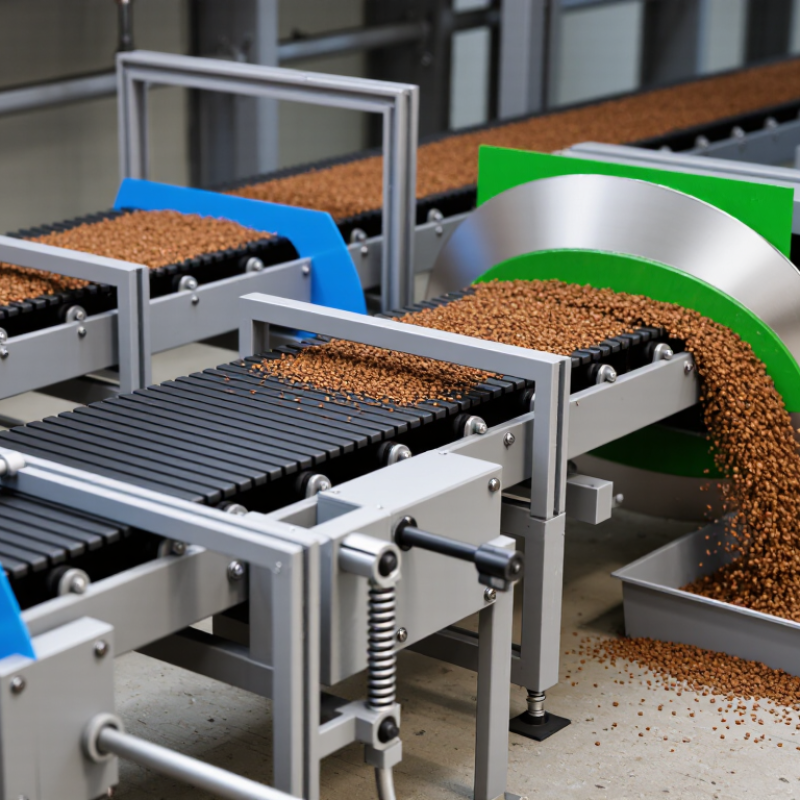
A conveyor belt cleaner is a device that removes material clinging to a belt after the product leaves the discharge point. It is commonly positioned against the belt near the head pulley, where a blade or brush can contact the moving surface. Some systems also clean the return side, where residue might otherwise fall onto walkways or rollers. Small details matter.
The main purpose is to reduce carryback: material carried past the discharge point and dropped along the return run. Less residue can mean fewer cleanup interruptions, reduced buildup around pulleys, and more predictable belt tracking. Cleaners do not make every belt perfectly clean. Wet fines, sticky products, worn blades, and uneven belt surfaces can leave a thin film behind. Operators typically check contact pressure and blade wear during routine inspections, since excessive pressure may accelerate wear while too little allows material to pass. The right cleaner is therefore a practical maintenance component, selected for the material, belt speed, and operating conditions—not simply an accessory.
A conveyor belt cleaner removes material that sticks to the belt after it passes the discharge point. A primary cleaner at the head pulley removes bulk carryback; a secondary cleaner removes remaining residue; and a return-side plough diverts material before it reaches the tail pulley. The chart shows the typical order along the belt’s return path, not measured performance.
A conveyor belt cleaner removes material that sticks to the belt after discharge. Without effective cleaning, damp fines can cling to the return side, fall beneath rollers, and build up around the conveyor. Even a thin residue can become a maintenance problem.
The main components are a cleaning blade, a support frame, and a tensioning mechanism. The blade contacts the belt and scrapes away carryback; its material and profile should suit the belt surface and conveyed product. The tensioner keeps contact steady as the blade wears. Some systems also include a wear indicator or adjustment points, making inspections easier. Small details matter.
Cleaner types are commonly positioned by their job. A primary cleaner sits near the head pulley and removes bulk material. A secondary cleaner, placed farther along the return belt, targets finer residue. A return-side plough near the tail pulley can divert stray material before it reaches the pulley. Brushes may suit some dry, lightweight carryback, but they are not a universal fix. Selection depends on moisture, particle size, belt speed, and splice design. A cleaner that works well in a dry trial may struggle with sticky material. Real operating conditions deserve attention.
| Category | Component or Cleaner Type | Typical Location | How It Works | Typical Use or Consideration |
|---|---|---|---|---|
| Main component | Cleaning blade or contact element | Against the belt surface, usually near a pulley | Contacts the moving belt and removes adhering material by scraping or brushing it away. | Material and shape are selected to suit the belt, conveyed material, temperature, and operating conditions. |
| Main component | Tensioning or pressure system | Attached to the cleaner support | Applies and maintains suitable blade contact as the blade wears or the belt moves. | Correct adjustment helps clean effectively while limiting excess belt wear and cleaner damage. |
| Main component | Support frame, shaft, and mounting hardware | Conveyor structure near the belt path | Holds the cleaning element in position and transfers operating forces to the conveyor structure. | Must be compatible with the conveyor layout and allow safe inspection or adjustment. |
| Common cleaner type | Primary (pre-cleaner) scraper | At or near the head pulley, on the discharge side | A blade scrapes off the bulk of the material carried past the discharge point. | Often the first cleaning stage; it reduces the load on downstream cleaners. |
| Common cleaner type | Secondary scraper | Further along the belt after the head pulley | A separate blade removes finer or remaining carryback left by the primary cleaner. | Used as a follow-up cleaning stage; installation must account for belt splices and surface condition. |
| Common cleaner type | V-plow or diagonal belt plow | On the return run, ahead of the tail pulley | A shaped deflector contacts the belt and pushes stray material away from the pulley. | Helps protect the tail pulley and belt from trapped material; it is not a substitute for a head-pulley scraper. |
| Common cleaner type | Rotary brush cleaner | Typically positioned against the belt where brush access is practical | A rotating brush sweeps material from the belt surface; the brush may be driven or belt-driven, depending on the design. | Can suit some light or fine deposits; brush selection, rotation, and contact need to match the application. |
| Common cleaner type | Air-knife cleaner | Near the belt surface, usually within an enclosed cleaning area | A directed stream of compressed air dislodges loose particles from the belt. | Requires an air supply and suitable dust collection; performance depends on the material and system design. |
| Operating principle | Multi-stage cleaning | Across the discharge and return sections | One cleaner removes bulk carryback; additional devices target residual material or protect return-side pulleys. | The appropriate arrangement depends on the conveyed material, belt speed, moisture, and conveyor geometry. |
A conveyor belt cleaner removes carryback: material that sticks to the belt after discharge. A primary scraper usually sits just beyond the head pulley, where the belt is still supported. Its blade contacts the belt and redirects loose material into the discharge stream or a collection chute. The change is easy to see. Wet fines may fall in small clumps; dry dust can scatter.
Some systems use a secondary cleaner farther along the return run. It reaches residue the first blade misses. Brushes or air systems may suit certain materials, but the choice depends on moisture, particle size, belt speed, and surface condition. Excessive blade pressure can wear the belt or splice, while light contact leaves material behind. Perfect cleaning is not always realistic. A small amount of carryback may remain, especially with sticky loads.
Tips: Check the belt and cleaner during operation, from a safe position. Look for uneven wear, vibration, and material collecting beneath the return run. Adjustments should follow the equipment maker’s guidance; a blade that looks tight may still be misaligned. Cleaning performance changes as blades wear, so keep a simple inspection record.
A conveyor belt cleaner removes carryback—the material that stays on a belt after discharge. A primary blade scrapes off bulk residue near the head pulley; a secondary cleaner can catch finer particles. Cleaning performance depends on more than blade pressure. Belt speed, material type, moisture, and surface condition all matter. Wet clay may smear, while dry fines can cling to worn rubber.
Blade contact must be even across the belt. Too little pressure leaves streaks; too much can wear the belt or blade quickly. A splice, damaged edge, or uneven belt tension may interrupt contact for a few seconds each rotation. That small gap can leave a visible trail. Placement also matters: cleaners installed where material is still supported are often easier to adjust and inspect. Results vary, and a setup that works in one season may struggle when feed moisture changes.
Tips: Check the belt after a full rotation, not just at one point. Look for narrow residue lines, uneven blade wear, and buildup near the pulley. Adjust in small steps, then observe several rotations. Don’t assume more pressure is better. A little carryback may remain, and that can signal a need to inspect belt condition or material flow—not just tighten the cleaner.
A conveyor belt cleaner removes material that sticks to the belt after discharge. Its blades or brushes contact the belt surface and help reduce carryback beneath the conveyor. Inspection should begin with the cleaner stopped and isolated according to site procedures. Check the blade for uneven wear, cracks, and material buildup. Look for loose fasteners, damaged guards, and signs of belt tracking problems. A thin, even contact line is a useful clue. It is not proof that everything is working well.
Maintenance needs to match the cleaner type and operating conditions. Replace worn parts as specified by the equipment instructions, and keep tools clear of moving components. Never reach under a belt that could start unexpectedly. Restore guards before operation, then observe the cleaner from a safe position. Watch for unusual vibration, scraping sounds, or fresh carryback. These signs may point to incorrect pressure, misalignment, or a damaged blade. A checklist helps, but it can miss changes that develop gradually.
Tips: Record inspection dates and what you observed, not just “checked.” Clear accumulated material only after the conveyor is safely isolated. If a cleaner repeatedly wears unevenly, inspect belt alignment and loading conditions too. Small adjustments can help, but guessing at tension is risky. Use the equipment guidance, and ask a qualified technician when the cause is unclear.
It scrapes carryback from the belt after discharge. This can reduce damp fines beneath rollers.
Common parts include a cleaning blade, support frame, and tensioning mechanism. Some systems also have wear indicators or adjustment points.
A primary cleaner sits near the head pulley and removes bulk material. A secondary cleaner farther along the return belt targets finer residue.
Near the tail pulley, it can divert stray material before it reaches the pulley. Small details matter.
No. Brushes may help with dry, lightweight carryback, but they are not a universal fix. Sticky material may expose their limits.
Stop and isolate the conveyor according to site procedures. Check for uneven blade wear, cracks, buildup, loose fasteners, damaged guards, and tracking problems.
Watch for unusual vibration, scraping sounds, or fresh carryback. These may signal incorrect pressure, misalignment, or blade damage. A neat contact line is not proof.
Record dates and observations, not just “checked.” A checklist helps, but gradual changes can slip past it. Guessing at tension can backfire.
A Conveyor Belt Cleaner is a device designed to remove leftover material from a conveyor belt after it has discharged its load. By reducing carryback, it can help limit material buildup, improve belt tracking, and keep nearby equipment and work areas cleaner. Common systems include primary cleaners positioned near the discharge pulley and secondary cleaners installed farther along the return belt. Their main parts may include a cleaning blade, mounting structure, tensioning mechanism, and contact surface.
As the belt moves, the blade meets its surface and scrapes away remaining material, which can then be directed into a suitable collection area. Cleaning performance depends on factors such as material moisture and abrasiveness, belt speed, blade pressure, belt condition, and correct installation. Regular inspection helps identify wear, damage, or uneven contact before cleaning becomes less effective. Maintenance should follow safe operating procedures, including isolating equipment when required, and replacing or adjusting components as needed. Proper setup and care support consistent cleaning and reliable conveyor operation.
