 HESPER
HESPER
HESPER
Flexible Stainless Pipe is becoming indispensable in various industries. According to a report by Market Research Future, the global demand for flexible pipes is expected to reach $9 billion by 2026, driven by their superior performance and design flexibility. As highlighted by industry expert Dr. Emily Chen, "Flexible Stainless Pipe enhances efficiency and reliability in critical applications."
These pipes offer corrosion resistance and high strength, making them ideal for challenging environments. In sectors like oil and gas, construction, and automotive, their adaptability is crucial. However, with the rising demand, manufacturers face challenges in maintaining quality and durability.
Moreover, the lack of standardization can lead to inconsistencies in performance. Continuous improvement in production processes is essential to meet evolving industry needs. As highlighted in recent industry analyses, companies must invest in R&D to ensure their products remain competitive. The growth of the Flexible Stainless Pipe market highlights both opportunities and challenges ahead.
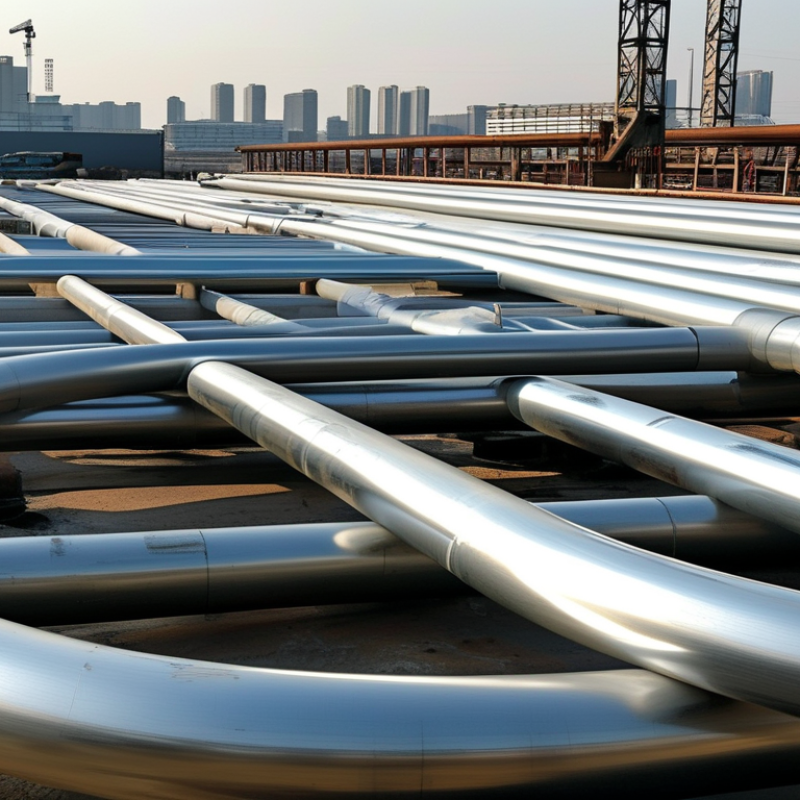
Flexible stainless pipes are increasingly vital in modern industries due to their unique properties. An analysis by the Global Stainless Steel Pipe Market Report reveals that the demand for these pipes is projected to grow by 5% annually. This growth is propelled by their adaptability in harsh environments. Flexible stainless pipes resist corrosion and can handle high temperatures, making them suitable for various applications. They are extensively used in the oil and gas, automotive, and construction sectors.
What sets flexible stainless pipe apart is its design. Unlike rigid pipes, they can bend and turn in tight spaces. This flexibility is crucial for installations in complex layouts. Engineers favor these pipes for their reliability and longevity. A study from the International Journal of Industrial Engineering indicates that flexible stainless pipes can have a lifespan that outlasts traditional materials by over 50%. However, installation requires careful consideration. Improper bends or kinks can compromise performance.
Industry experts emphasize the need for regular inspections. While the material is durable, wear can occur. Understanding the limitations and best practices for maintenance is essential for safe operation. This awareness promotes a proactive approach in reducing potential failures. In modern applications, flexibility and durability must go hand in hand.
| Property | Description | Applications | Benefits |
|---|---|---|---|
| Corrosion Resistance | Flexible stainless pipes are resistant to rust and corrosion, making them suitable for various environments. | Chemical processing, marine applications, and food industries. | Increased durability and longevity in harsh conditions. |
| Flexibility | The ability to bend and shape easily without breaking or compromising performance. | HVAC systems, plumbing installations, and industrial machinery. | Simplifies installation and reduces the need for fittings. |
| Temperature Resistance | Capable of withstanding high temperatures without deformation. | Power plants, automotive applications, and refrigeration systems. | Reliable performance in extreme environments. |
| Ease of Installation | Lightweight and easy to handle, making installation quicker. | Construction sites and manufacturing facilities. | Reduces labor costs and time efficiency. |
| Cost-Effectiveness | Although the initial cost may be higher, the longevity and reduced maintenance costs make it economical. | Oil and gas pipelines, water supply systems, and industrial applications. | Long-term savings and value for investment. |
: Flexible stainless pipes are typically made from austenitic stainless steel, offering high corrosion resistance.
The manufacturing process includes welding, forming, and polishing to create a seamless finish.
They are used in oil and gas, pharmaceuticals, and food processing for various applications.
Temperature resistance ensures pipes can handle different environments without failing under pressure.
They prevent contamination and ensure product integrity during the transport of sterile substances.
Varying quality standards and installation practices can lead to performance issues in critical applications.
They maintain hygiene standards and lower the risk of bacterial contamination, crucial for compliance.
The market is expected to grow at a CAGR of about 5.2% from 2023 to 2030.
The flexibility of these pipes allows for easy installation, particularly in compact spaces, saving time and effort.
Evaluating long-term savings is important, despite initial higher costs, due to reduced maintenance needs.
Flexible Stainless Pipe has emerged as a crucial component in modern industries due to its unique properties and versatility. Characterized by a combination of high strength and flexibility, these pipes provide an effective solution for various piping needs. The manufacturing processes involve advanced techniques that ensure durability, corrosion resistance, and performance under challenging conditions. Unlike traditional rigid pipe systems, Flexible Stainless Pipe offers significant advantages such as easier installation, reduced vibrations, and the ability to accommodate movement and misalignments.
The applications of Flexible Stainless Pipe span numerous industrial sectors, including oil and gas, chemical processing, and food production, highlighting its essential role across different fields. As market trends indicate a growing demand for efficient and adaptable piping solutions, the future prospects for Flexible Stainless Pipe usage look promising, with continued innovations expected to enhance its functionality and performance.
