
HESPER HESPER

Top 10 Tips for Choosing China Filter Fabric and Filter Press Cloth

Time:2026-03-18 Author:Ethan
0%

Choosing the right China Filter Fabric and Filter Press Cloth is crucial for effective filtration processes. With so many options available, it can feel overwhelming. Each type of fabric offers different benefits depending on the application. Identifying your specific needs is vital. A small mistake can lead to inefficiencies.

When selecting filter fabric, consider the material and mesh size. Options like polypropylene or polyester may suit various projects. Look for durability and resistance to wear. These factors impact performance and lifespan. Evaluating supplier reliability is equally important. Not all manufacturers uphold the same quality standards.

While many people focus solely on price, this can be misleading. An inexpensive product may lack the quality needed for your application. Investing a bit more in superior China Filter Fabric and Filter Press Cloth often pays off in the long run. Reflect on past experiences to make better choices. This can enhance your filtration system significantly. Prioritize quality and compatibility for the best results.
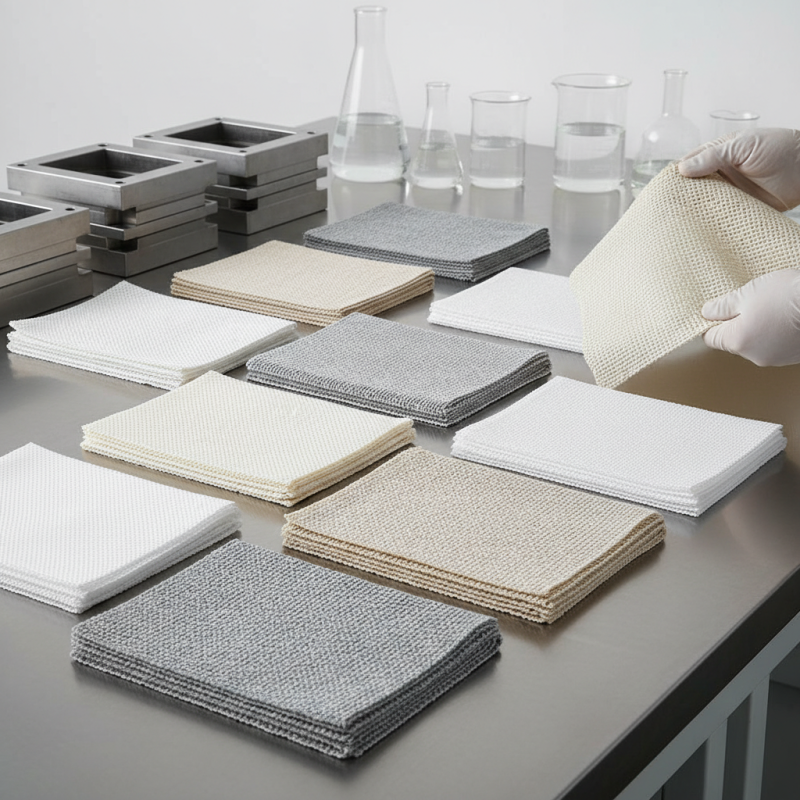
Top 10 Tips for Choosing China Filter Fabric and Filter Press Cloth

Understanding the Importance of Filter Fabric and Filter Press Cloth

Choosing the right filter fabric and filter press cloth is crucial. These materials significantly impact the efficiency of filtration processes. High-quality fabrics reduce waste and enhance productivity. Understanding the specifications of these materials helps ensure optimal performance.

When selecting filter fabric, consider the fiber composition. Synthetic fibers often provide durability and resistance to chemicals, while natural fibers offer biodegradable options. The choice depends on your specific application. Pay attention to fabric thickness and pore size, as these influence the filtration rate. A thicker fabric might last longer but could slow down the process.

Another important aspect is compatibility with your filtration system. Ensure that the filter cloth matches your filter press model. Incompatibility can lead to system failures and increase costs. Regular maintenance of the filter fabric also plays a vital role. It’s easy to overlook, but wear and tear can drastically affect filtration efficiency. Always reflect on your filter cloth’s condition to maintain optimal operation.

Key Material Characteristics to Consider When Selecting Filter Fabric

When selecting filter fabric for your project, focus on key material characteristics. The fabric's permeability is crucial. Higher permeability allows for easier flow during filtration. However, this may reduce the filter's ability to retain fine particles. A balance is key.

Next, consider the fabric's tensile strength. A strong fabric will withstand pressure without tearing. But, overly rigid materials can lead to operational issues. Assess the expected load and use suitable technical specifications. Additionally, durability against wear and tear is vital. Filters often face harsh conditions, so choose materials that can endure.

Lastly, chemical resistance should not be overlooked. Exposure to different substances can degrade the fabric quickly. Test compatibility before committing to a purchase. Ensure you fully understand your requirements. Finding the right filter fabric is more of an art than a science. Be prepared for a trial-and-error process to achieve optimal results.

Evaluating Filter Fabric Durability and Performance Metrics

When selecting filter fabrics, durability and performance metrics are crucial. Industry studies indicate that the lifespan of filter fabrics can vary widely. Some materials last only a few weeks, while others can perform effectively for years. Understanding these differences is essential for optimizing costs and operations.

One key metric to assess is tensile strength. Reports suggest that a fabric with a tensile strength of over 1,000 N can significantly improve filter longevity. Additionally, permeability rate impacts the filtration efficiency. Fabrics with higher permeability allow for faster processing times but may sacrifice some durability. Balancing these factors requires careful evaluation.

Real-world testing can reveal underlying issues. Some fabrics may perform well initially but degrade quickly under heavy loads. Continuous monitoring can highlight performance drops, prompting timely replacements. Choosing the right fabric demands attention to specific application needs and data-driven decision-making. Each choice can lead to variable outcomes, prompting further reflection on material selection processes.

Matching Filter Cloth Specifications to Your Application Needs

When choosing filter cloth for your specific application, focusing on the right specifications is crucial. Consider the material type that best suits your needs. Different materials have unique properties. Some are more resistant to chemicals, while others excel in high temperatures. Understanding your processing conditions is vital for optimal performance.

The mesh size is another important factor. It influences the filtering efficiency and flow rate. A finer mesh can catch smaller particles but may slow down the filtration process. Make a note of the particle sizes you typically encounter. This detail can prevent unexpected complications in your filtration setup.

Durability is often overlooked. High-quality filter cloth can endure the rigors of continuous use. Look for fabrics with excellent tensile strength. They last longer, saving you money in the long run. However, sometimes users might prioritize low costs over quality, leading to frequent replacements. Reflect on your priorities to make a well-informed decision.

Top 10 Tips for Choosing China Filter Fabric and Filter Press Cloth

Tip No. Specification Application Material Type Durability
1 Polyester, 130 g/m² Slurry Filtration Polyester High
2 Polypropylene, 150 g/m² Wastewater Treatment Polypropylene Medium
3 Nylon, 200 g/m² Chemical Filtration Nylon Very High
4 Polyester, 100 g/m² Food Processing Polyester High
5 Polypropylene, 120 g/m² Mineral Industry Polypropylene Medium
6 Polyester, 180 g/m² Paper Recycling Polyester High
7 Nylon, 220 g/m² Sugar Processing Nylon Very High
8 Polypropylene, 130 g/m² Coal Washing Polypropylene Low
9 Polyester, 200 g/m² Waste Management Polyester High
10 Nylon, 250 g/m² Pharmaceuticals Nylon Very High

Supplier Selection: Tips for Sourcing High-Quality Filter Fabrics in China

When sourcing high-quality filter fabrics in China, choosing the right supplier is essential. The market is crowded with options. Quality varies significantly. According to industry reports, the global filter cloth market is expected to reach USD 5 billion by 2025. This growth underscores the importance of making informed decisions.

One tip is to assess the supplier's experience. A vendor with a track record might provide better quality products. Look for suppliers who specialize in filter fabrics and have industry certifications. Additionally, request samples. Testing materials directly can reveal much about quality.

Another useful approach involves understanding the supplier's production process. Transparency is key. Are they using advanced machinery? Is there a quality control system in place? Manufacturers that prioritize quality assurance may lead to fewer defects. Simple mistakes can cost more in the long run. Always keep an eye on both capabilities and processes when selecting a supplier.

FAQS

: Why is the choice of filter fabric important?

: The right filter fabric greatly affects filtration efficiency. High-quality fabrics reduce waste and boost productivity.

What should I consider when selecting filter fabric?

Focus on fiber composition, thickness, and pore size. Each influences filtration rate and longevity significantly.

How does fiber type affect filter performance?

Synthetic fibers offer durability against chemicals. Natural fibers provide biodegradable options for specific applications.

What role does compatibility play in filter cloth selection?

Filter cloth must match your filtration system. Incompatibility can lead to failures and higher costs.

Why is regular maintenance important for filter cloth?

Maintenance prevents wear and tear. Neglecting it can drastically affect filtration efficiency and overall performance.

How does mesh size impact filtration?

Mesh size influences filtering efficiency. A finer mesh catches smaller particles but might slow down the process.

What should I look for in a supplier of filter fabrics?

Check the supplier's experience and specialization in filter fabrics. Certifications and track records matter.

Why is it necessary to request samples from suppliers?

Testing samples reveals the true quality of materials. It's a step that shouldn't be overlooked.

What is the importance of understanding the supplier's production process?

Knowing about their machinery and quality control ensures fewer defects. Quality assurance saves costs in the future.

Conclusion

When selecting China Filter Fabric and Filter Press Cloth, it's crucial to understand their significance in various industrial applications. Key material characteristics such as porosity, tensile strength, and chemical compatibility play a vital role in ensuring optimal filtration performance. Durability and performance metrics, including resistance to wear and chemical degradation, should also be thoroughly evaluated to ensure longevity and efficiency in use.

Furthermore, matching filter cloth specifications to specific application needs is essential for achieving the desired filtration results. When sourcing high-quality filter fabrics in China, careful consideration of supplier capabilities and reputation is necessary to ensure reliability and excellence in product quality. By following these tips, businesses can enhance their filtration processes and achieve superior outcomes in their operations.

Ethan

Ethan

Ethan is a seasoned marketing professional with a deep expertise in our company's innovative product line. With a passion for sharing knowledge and insights, he takes the lead in regularly updating our corporate blog, where he explores industry trends, product features, and effective marketing......