HESPER
The demand for chemical hoses is rapidly growing in various industries. According to a recent market report, the global chemical hose market is projected to reach $2 billion by 2026. This surge can be attributed to increased chemical production and regulations on safe transportation.
Chemical hoses play a critical role in ensuring the safe transfer of hazardous substances. These hoses must withstand high pressures and corrosive materials. Buyers must be well-informed about the specific types available. Many options are tailored to various chemical properties and operational requirements.
However, it's essential to reflect on the limitations faced by suppliers and end-users. Not all hose materials offer the same level of durability or flexibility. Moreover, improper selection can lead to safety hazards and operational inefficiencies. Thus, understanding the top 10 chemical hose types is crucial for global buyers aiming to optimize their operations.
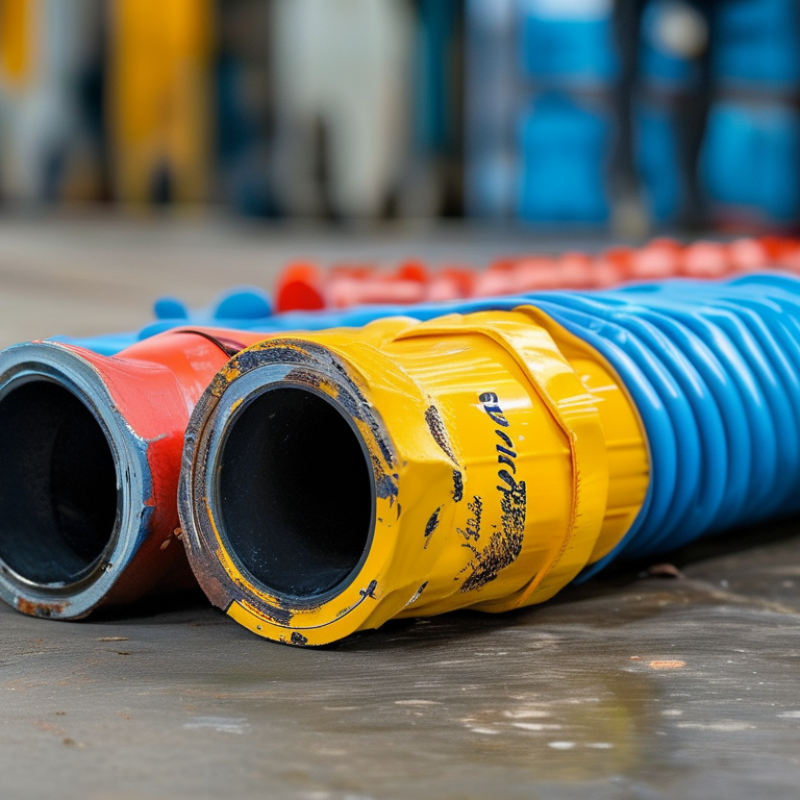
Chemical hoses play a crucial role in various industries. They transport a wide range of chemicals safely and efficiently. Selecting the right type of hose is essential for ensuring safety and performance. Each type of chemical hose has unique features tailored for specific applications.
Different materials like rubber, PVC, and polyurethane are used in manufacturing these hoses. For example, rubber hoses are often chosen for their flexibility and resistance to heat. In contrast, PVC hoses are known for their lightweight nature. This can be beneficial in applications where weight is a concern. However, not every hose suits all chemicals. Some may degrade quickly in harsh environments. Users must regularly assess and monitor the condition of their hoses.
Proper maintenance is vital to prevent leaks and ensure longevity. It's important to note that every application has its challenges. Understanding the specifics of each chemical and its interaction with hose materials is a complex task. Buyers should conduct thorough research before making a purchase. Relying on expert guidance can significantly enhance decision-making.
When selecting chemical hoses, several key features come into play. The material is crucial. Many hoses are made from rubber, PVC, or PTFE. Each material offers different advantages in terms of chemical compatibility. According to a report by Grand View Research, the global hose market is projected to reach $13.6 billion by 2025. This highlights the growing demand for high-quality hoses in various industries.
Pressure rating is another essential factor. A hose must withstand the pressures it will encounter in its application. Failure to do so can lead to catastrophic leaks. Additionally, the working temperature range is vital. Hoses often operate in extreme conditions that require specific temperature tolerances. A breakdown of this information is essential for proper application.
Moreover, the hose's diameter and flexibility should not be overlooked. A proper diameter ensures optimal flow rates, while flexibility may enhance ease of use. Poorly chosen hoses can lead to inefficiency in processes. Regular maintenance and inspection are necessary to prevent deterioration. All these factors contribute to the overall effectiveness of chemical hoses in various applications.
| Hose Type | Material | Temperature Range (°F) | Pressure Rating (psi) | Applications |
|---|---|---|---|---|
| EPDM Chemical Hose | EPDM Rubber | -40 to 180 | 150 | Agricultural Chemicals, Water Transfer |
| PVC Chemical Hose | PVC | 32 to 140 | 100 | Light Chemicals, Water |
| PTFE-lined Hose | PTFE | -100 to 450 | 300 | Corrosive Chemicals, Food Processing |
| Rubber Chemical Hose | Rubber | -40 to 200 | 200 | Industrial Chemicals, Solvents |
| Silicone Hose | Silicone | -100 to 500 | 250 | Pharmaceutical, Food Grade |
| Chem Vine Hose | Vinyl | -40 to 180 | 125 | Agricultural and Industrial Chemicals |
| Composite Hose | Composite Materials | -40 to 200 | 150 | Fuel, Oils, Chemicals |
| Suction and Discharge Hose | PVC or Rubber | -20 to 150 | 150 | Water, Oil, Agricultural Chemicals |
| Flame Resistant Hose | Specialized Rubber | -40 to 180 | 200 | Chemical Processing, Petrochemical Industry |
When it comes to chemical hoses, different industries require specific types.
Understanding these needs is essential for safety and efficiency.
For example, the pharmaceutical industry often demands hoses that are resistant to high temperatures and flexible.
This ensures that the transfer of chemicals happens safely without breaking down the hose material.
In manufacturing sectors, a robust hose that can withstand abrasion is crucial.
These hoses often deal with very aggressive substances.
Ideal choices are those made from materials like PVC or rubber.
However, selecting the right hose is not always straightforward.
Factors like chemical compatibility and pressure ratings must be considered carefully.
Another example is the agricultural industry, where chemical hoses must endure harsh outdoor conditions.
Hoses used here often incorporate UV protection to prevent degradation.
Yet, despite careful selection, issues can arise, such as leaks or ruptures in hoses not suited for specific applications.
Evaluating performance regularly can help address these concerns.
Ultimately, understanding the diverse applications can aid buyers in making informed and safe selections.
When selecting chemical hoses, understanding the material types is vital. Common materials include rubber, PVC, and thermoplastic. Each material has unique properties that cater to specific chemical applications. For instance, rubber hoses are durable and flexible. They handle a wide range of temperatures and chemicals. PVC hoses, while lighter, may not withstand high temperatures as effectively.
In a recent industry report, it was noted that rubber hoses could last up to 10 years under optimal conditions. However, they might degrade faster when exposed to extreme conditions. Thermoplastic hoses have gained attention for their lightweight design. They often offer better flexibility and resistance to chemical attacks. Yet, their longevity can be an issue in high-pressure applications.
Choosing the right material requires careful consideration. The compatibility of the hose material with the transported chemical is crucial. For example, some acids may corrode rubber, while others may safely pass through it. A mismatch can lead to hose failure and safety hazards. Hence, conducting thorough compatibility tests is important to avoid costly mistakes and ensure effective chemical transfer.
Proper maintenance of chemical hoses is crucial for their longevity and efficiency. Regular inspection can prevent major issues. Look for cracks, leaks, and wear. If you notice any damage, replace the hose immediately. This action can save time and money in the long run.
Cleaning chemical hoses is equally important. Use mild detergents and warm water to remove residues. Avoid harsh chemicals that could degrade hose material. Dry hoses completely before storage to prevent mold growth. Storage in a cool, dry place can also extend their lifespan. Regularly rotating your hoses in use can help even out wear and tear.
Don’t overlook the importance of proper fittings and connections. Ensure they are tight and secure to avoid leaks. Over time, fittings can corrode or wear out. Replacing them when needed is essential for maintaining hose integrity. Always consult with professionals for guidance if you're unsure about your hoses’ condition. Keeping detailed records of inspections and repairs can also enhance reliability.
: Chemical hoses transport various chemicals safely and efficiently. They are essential in many industrial applications.
Common materials include rubber, PVC, and polyurethane. Each material has its own advantages and disadvantages.
Users must assess the chemical's properties and the hose material. Consulting with experts can aid in making informed choices.
Regular inspections for cracks and leaks are crucial. Cleaning, proper storage, and secure fittings also contribute to hose longevity.
Cleaning prevents residue buildup. Using mild detergents and warm water is best to protect hose materials during cleaning.
Look for visible cracks, leaks, and signs of wear. Immediate replacement is necessary if any damage is found.
Store hoses in a cool, dry place and ensure they are completely dry. This helps prevent mold growth.
Regularly switching hoses in use can help distribute wear. This practice can extend the overall lifespan.
Ensure that fittings are tight and secure. Regularly check for wear and replace them as needed.
Maintaining detailed records of all inspections and repairs enhances hose reliability. Regular checks are a good practice.
Chemical hoses play a crucial role in various industries, facilitating the safe transfer of chemicals in diverse applications. Their design must accommodate both the physical and chemical properties of the substances being transported. Key features such as flexibility, temperature resistance, and compatibility with specific chemicals are essential considerations when selecting the appropriate chemical hose for a particular application.
The top 10 types of chemical hoses vary based on material composition, including rubber, thermoplastics, and metal options. Each material type offers unique advantages and disadvantages regarding durability and resistance to different chemicals. To ensure the longevity of chemical hoses, proper maintenance practices are vital, as they help prevent wear and tear and ensure safe operation over time. Understanding these elements can significantly enhance the performance and reliability of chemical hoses across various sectors.
