
HESPER HESPER

China Top 10 Conveyor Belt Scraper Manufacturers

Time:2026-11-20 Author:Amelia
0%

Choosing a reliable supplier is an important part of maintaining safe, steady conveyor operations. This guide to China’s top 10 Conveyor Belt Scraper manufacturers introduces companies serving industries such as mining, cement, ports, and bulk-material handling. Their products may include primary and secondary belt cleaners, polyurethane blades, tungsten-carbide tips, and complete scraper assemblies.

The right design can reduce carryback, limit material buildup around transfer points, and help keep return rollers cleaner. Details matter. Blade material, belt width, operating speed, temperature, moisture, and abrasive conditions can all affect performance. A scraper that works well on dry limestone may not suit sticky, wet coal. Buyers should compare product specifications, customization options, service support, and the manufacturer’s experience with similar applications. Ask for drawings, installation guidance, and clear replacement-part information before making a decision.

A company ranking is a starting point, not proof that one supplier fits every site. Product claims and available configurations can change, and published information may not show how a scraper performs under your exact conditions. That part needs careful checking. This overview is intended to help readers identify potential suppliers and prepare more focused questions. Verify current specifications directly with each manufacturer, and consider a site trial when operating conditions are demanding. Sometimes the best choice is not the most complex scraper, but the one your maintenance team can inspect and replace reliably.
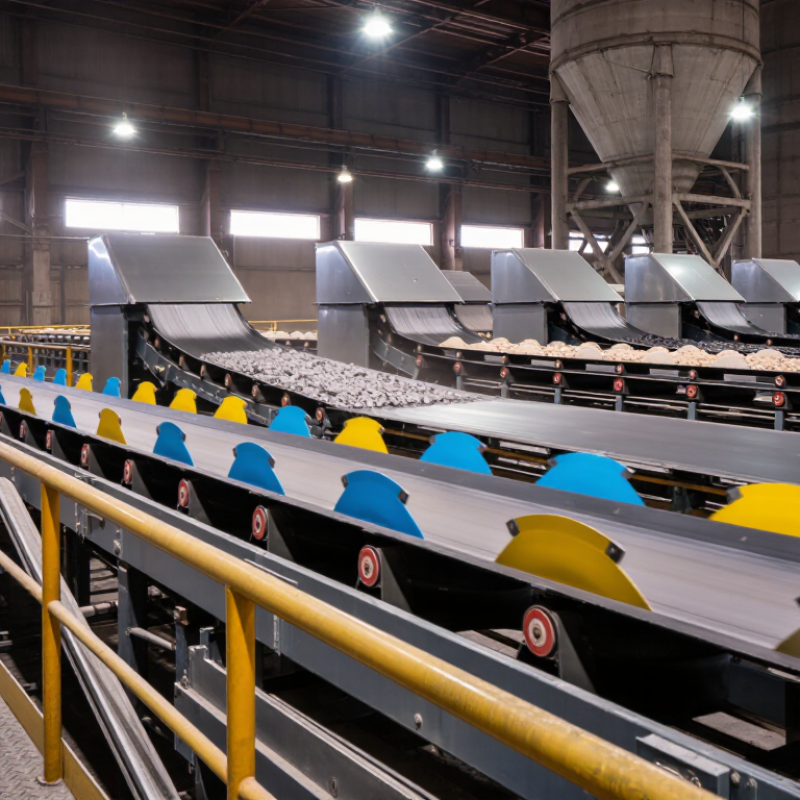
China Top 10 Conveyor Belt Scraper Manufacturers

What Conveyor Belt Scrapers Do and Where They Are Used

A conveyor belt scraper removes material that clings to the belt after it passes the discharge point. Without effective cleaning, damp fines can build up around the return rollers and form hard deposits. A primary scraper sits near the head pulley; a secondary unit may remove residue left behind. The right contact pressure matters. Too little leaves carryback, while too much can wear the belt.

Scrapers are used in mines, quarries, cement plants, ports, and grain-handling facilities. These sites often move abrasive, sticky, or dusty materials over long shifts. A scraper can reduce spillage beneath the conveyor and limit manual cleanup, but it cannot fix poor chute design or a damaged belt. Material moisture and belt speed also affect performance. Small details matter. Even a well-chosen blade needs regular inspection.

Tips: Check blade wear, mounting bolts, and belt tracking during planned maintenance. Look for uneven contact or material streaks across the belt. Isolate equipment according to site procedures before adjustments. A scraper that works well in dry conditions may struggle after rain, so review its performance as operating conditions change.

Types of Conveyor Belt Scrapers and Their Key Features

China Top 10 Conveyor Belt Scraper Manufacturers
Types of Conveyor Belt Scrapers and Their Key Features

Conveyor belt scrapers remove carryback before it builds into hard, abrasive deposits around pulleys and transfer points. Primary scrapers sit against the head pulley and remove bulk material; their polyurethane or carbide tips suit different belt speeds, materials, and wear conditions. Secondary scrapers work farther along the return belt, collecting finer residue. For reversing belts, a reversible design may be needed. It is not a universal fix.

CEMA’s Belt Conveyors for Bulk Materials describes belt-cleaning arrangements as part of conveyor system design, where material properties and operating conditions matter. A V-plough scraper protects the tail pulley by diverting spillage from the belt’s underside. Grand View Research estimated the global conveyor belt market at USD 6.3 billion in 2023, with a projected 5.3% compound annual growth rate from 2024 to 2030. This market figure does not measure scraper performance, but it reflects the scale of conveyor use.

Tips: Check blade contact across the belt width, then inspect for uneven wear after installation. A scraper set too tightly can damage the belt; too loosely, and carryback remains. Dust, moisture, and sticky fines can change results. Real plants are messier than diagrams.

How to Evaluate Conveyor Belt Scraper Manufacturers

When evaluating conveyor belt scraper manufacturers, ask for results from belts carrying materials like yours. Coal fines, wet clay, and grain behave differently. A clean catalog cannot show how a blade handles your transfer point.

Request test conditions, belt speed, material moisture, and measured carryback. Compare results before and after installation, using the same sampling method. Ask how often blades need adjustment and replacement. Service life stated only in months is weak evidence. The CEMA Belt Conveyors for Bulk Materials handbook offers useful design context, but site trials remain essential. Small details matter.

Check whether technicians can inspect and replace blades without awkward reaching. The U.S. Bureau of Labor Statistics reported 2.4 recordable injury and illness cases per 100 full-time-equivalent workers in private industry in 2023. That figure is not conveyor-specific. Still, it supports checking access and maintenance procedures. Ask for references at comparable sites and confirm who collects performance data. I would also challenge my own assumptions: one clean test run may hide poor performance during sticky, uneven feed. Independent measurements are better. A little mud tells the truth.

How to Evaluate Conveyor Belt Scraper Manufacturers

Suggested evaluation weights for comparing shortlisted suppliers. These are assessment priorities, not manufacturer scores or rankings.

Compare suppliers against the same criteria and request supporting evidence, such as application references, material specifications, test results, and service terms.

Profiles of 10 Conveyor Belt Scraper Manufacturers in China

China’s conveyor belt scraper sector includes manufacturers with different strengths. These ten anonymized profiles are useful starting points, not a verified ranking. Confirm each supplier’s actual products and production capability before purchasing.

One profile centers on polyurethane primary blades for routine bulk handling.

Another makes carbide-tipped scrapers for abrasive material.

A third offers custom steel frames and mounting brackets.

The fourth focuses on modular secondary cleaners for easier blade replacement.

The fifth produces rubber-based blades for lighter-duty lines.

A sixth emphasizes material testing and wear data. Ask for test conditions; figures can mislead.

The seventh supplies scraper systems alongside broader conveyor components.

An eighth concentrates on standard sizes and repeat orders.

A ninth handles small-batch designs for unusual belt widths.

The tenth focuses on replacement parts and maintenance support.

Details matter.

Compare blade material, belt-width range, fastening design, and stated operating conditions. Request drawings, sample specifications, and written warranty terms. A polished catalogue is not proof of field life. Some suppliers may offer limited documentation, so check claims carefully and assess whether the scraper suits your conveyed material, belt speed, and site conditions.

Factors to Consider When Choosing a Chinese Supplier

When comparing conveyor belt scraper manufacturers in China, look beyond product photos and quoted prices. Start with the application: belt width, speed, material carried, moisture, temperature, and the amount of carryback. A scraper suited to dry aggregate may perform poorly with sticky, wet fines. Ask suppliers to explain blade material, tensioning method, mounting arrangement, and expected wear patterns. Specific answers matter.

Request drawings, material specifications, inspection records, and clear details about how dimensions are checked before shipment. A polished catalog is not proof of consistent production. Ask how the supplier handles a blade that arrives warped or a mounting hole that does not align. Small details can delay installation. Check whether replacement blades and technical support are available, and confirm realistic lead times in writing. References from similar applications can help, though one successful site does not guarantee the same result on yours. Be candid about operating conditions, and ask what the scraper cannot handle. That conversation may feel less reassuring, but it is more useful. Consider sample evaluation or a trial installation where practical. Compare total operating needs, not just the first purchase price.

FAQS

What should I ask about a scraper’s performance?

Request test results from belts carrying material like yours. Ask for belt speed, moisture level, and measured carryback. Compare before-and-after results using the same sampling method.

Why does the conveyed material matter?

Dry aggregate, wet clay, and grain behave differently. A blade that works on dry material may struggle with sticky fines. Small details matter.

How can I judge blade life?

Ask how often blades need adjustment and replacement. Request wear data and the test conditions behind it. A service-life estimate in months alone is weak evidence.

Which supplier documents should I request?

Ask for drawings, material specifications, inspection records, and written warranty terms. Confirm how dimensions are checked before shipment. A polished catalogue proves little.

What product details should I compare?

Compare blade material, belt-width range, fastening design, and operating limits. Polyurethane, carbide-tipped, rubber-based, and modular designs suit different needs.

How can I check whether maintenance is practical?

Ask technicians to demonstrate inspection and blade replacement. Check whether they can reach the scraper without awkward movements. Mud tells the truth.

What should I verify about production and support?

Ask about replacement blades, technical support, and realistic lead times. Confirm details in writing. Also ask how they handle warped blades or misaligned mounting holes.

Is one successful reference site enough?

No. A comparable site can help, but it cannot guarantee the same result. I may be overvaluing a clean test run; uneven feed can change performance.

Should I arrange a sample test or trial installation?

Consider one where practical. Record operating conditions and compare carryback with the same method. Judge total operating needs, not only the purchase price.

Conclusion

This article explains how a Conveyor Belt Scraper helps remove leftover material from a belt, reduce carryback, and support cleaner, more reliable conveying operations. It outlines common application settings and introduces the main scraper types, including their typical positions, materials, and performance features. Understanding these differences can help buyers identify equipment suited to their belt design, conveyed material, operating conditions, and maintenance requirements.

The article also presents practical ways to assess Chinese manufacturers, such as reviewing product range, customization capabilities, manufacturing quality, technical support, and delivery arrangements. Profiles of ten manufacturers provide a structured overview for comparison without assuming that one supplier fits every project. The final section highlights factors to consider when choosing a Chinese supplier, including compatibility with the conveyor system, expected service life, replacement-part availability, communication, and overall value. Together, these points offer a useful starting framework for selecting a scraper solution and evaluating potential suppliers.

Amelia

Amelia

Amelia is a seasoned marketing professional with a wealth of expertise in our company’s core offerings. With an unwavering passion for driving growth and innovation, she plays a pivotal role in shaping our marketing strategies and enhancing brand visibility. A key aspect of her responsibilities......