
HESPER
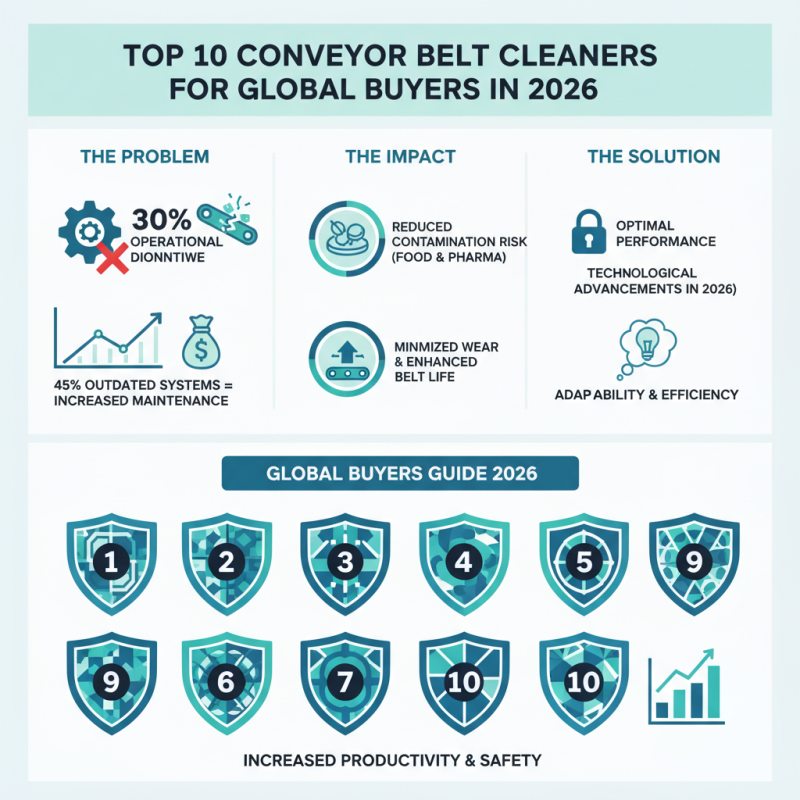
In the fast-evolving world of material handling, the importance of a reliable Conveyor Belt Cleaner cannot be overstated. According to recent industry reports, an estimated 30% of operational downtime in manufacturing is attributed to belt cleanliness. Effective cleaning systems minimize wear on belts and reduce the risk of product contamination. This is critical in sectors such as food processing and pharmaceuticals, where hygiene standards are stringent.
However, not all cleaners are created equal. A 2023 survey revealed that over 45% of companies are still using outdated cleaning systems. These systems often lead to increased maintenance costs and inefficient operations. Buyers must be informed about the technological advancements in Conveyor Belt Cleaners available in 2026 to ensure optimal performance.
Investing in the right cleaning solution presents unique challenges. Discrepancies in cleaning efficiency and adaptability to various belt types can lead to frustration. Understanding the specific needs of your operation is key to choosing the best Conveyor Belt Cleaner. As the market grows, staying informed will be essential for industry leaders looking to enhance productivity and safety.
Conveyor belt cleaners play a crucial role in various industries, including mining and manufacturing. These devices help maintain operational efficiency by preventing material buildup, which can lead to equipment wear and reduced productivity. According to a recent industry report, approximately 70% of production downtime is linked to inadequate cleaning solutions. Ensuring a clean conveyor system can significantly lower maintenance costs and extend equipment lifespan.
The significance of conveyor belt cleaners cannot be overstated. They improve safety by reducing slip hazards and dust emissions. Reports indicate that effective cleaning systems can reduce airborne dust levels by up to 90%. This not only protects workers but also adheres to stricter environmental regulations. Moreover, a well-maintained conveyor system leads to improved product quality by minimizing contamination risks.
However, selecting the right cleaner can be challenging. Factors such as belt type, material properties, and installation environment must be considered. Not all systems will perform equally across different setups. Some users report dissatisfaction due to insufficient cleaning, while others encounter issues with damage to belts. This highlights the need for careful evaluation of options before making a decision. Understanding these complexities is essential for improving operational outcomes.
Choosing the right conveyor belt cleaner is crucial for efficient operations. It ensures the longevity of your conveyor system and maintains product quality. When selecting a cleaner, consider the material compatibility. The cleaner should effectively remove debris without damaging the belt. Think about the environment where the conveyor operates. Different settings may require specialized cleaners.
Another important feature is the design of the cleaner itself. Look for models that offer flexible installation options. They should fit various conveyor types and sizes. Easy maintenance is also vital. A cleaner that is simple to service will save time and reduce downtime. Consider the total cost of ownership, not just the initial purchase price.
In addition, check the warranty and support offered by manufacturers. Reliable customer service can make a difference in your decision. Take the time to read reviews and gather feedback from other users. Real-world experiences can shed light on the product's performance. It's essential to weigh these factors carefully to ensure you're making a wise investment in your operational efficiency.
In 2026, conveyor belt cleaners will play a crucial role in enhancing operational efficiency across various industries. The global market for conveyor cleaning systems is expected to reach $1.2 billion, driven by increased demand for cleanliness in manufacturing and mining sectors. Clean conveyors reduce the risk of contamination, improving product quality and operational safety.
Different industries will utilize specialized cleaners tailored to their unique requirements. For instance, the food processing industry will need USDA-compliant cleaners to ensure hygiene. A study indicated that 30% of food recalls are due to contamination, highlighting the need for effective cleaning solutions. In mining, heavy-duty cleaners will be essential to remove sticky materials from belts, which can cause downtime averaging $1 million per year for large operations.
Yet, choosing the right conveyor belt cleaner requires careful evaluation. Not all products are created equal, and some may not fit specific operational conditions. Misalignment or inadequate cleaning can lead to costly equipment wear. Professionals must assess their systems and select cleaners that align with their unique needs. The ongoing investment in research and development will yield better solutions, but the selection process still needs attention to detail and industry insights.
This chart represents the effectiveness of the top 10 conveyor belt cleaners based on customer satisfaction ratings in various industries. The data highlights how well these cleaners perform in maintaining conveyor hygiene and efficiency.
In the dynamically evolving sector of conveyor belt cleaners, performance and cost remain critical factors for buyers. Reports indicate that the effectiveness of cleaners can vary significantly based on design and application. Efficiency often hinges on the material composition of the cleaning units, with rubber and polyurethane cleaners frequently outperforming traditional metal options. Research suggests that systems employing hybrid materials may provide long-term benefits, reducing wear and tear on conveyors.
Cost analysis reveals that initial investment does not always correlate with durability. A report from an industry expert highlighted that maintenance costs can consume up to 25% of total operational expenditures. Selecting a cleaner with a higher upfront cost may minimize these ongoing expenses. Additionally, cleaner life spans differ widely, with some commercial models lasting over 10 years under optimal conditions, while others may fail within two years, necessitating frequent replacements.
Data from a 2023 survey underscores the necessity of balancing performance with financial resources. The average return on investment for high-quality cleaners is estimated at 150% within the first three years. However, organizations often underestimate the importance of regular maintenance, leading to reduced efficiency. An interesting observation is that even the best systems can become ineffective without proper oversight and adjustment, highlighting the ongoing need for operator training and system evaluation.
| Cleaner Type | Material | Performance Rating (Out of 10) | Cost (USD) | Maintenance Frequency |
|---|---|---|---|---|
| Primary Cleaner | Rubber | 9 | 800 | Monthly |
| Secondary Cleaner | Polyurethane | 8 | 600 | Bimonthly |
| Laser Cleaner | Aluminum | 9.5 | 1500 | Semi-annual |
| Vacuum Cleaner | Steel | 7 | 900 | Weekly |
| Brush Cleaner | Nylon | 8.5 | 500 | Monthly |
| Blade Cleaner | Carbon Steel | 9 | 750 | Quarterly |
| Wet Cleaner | Plastic | 8 | 650 | Monthly |
| High-Pressure Cleaner | Stainless Steel | 9.2 | 1200 | Biannual |
| Magnetic Cleaner | Ceramic | 8.7 | 800 | Monthly |
| Dual-Action Cleaner | Composite | 9.1 | 950 | Monthly |
The conveyor belt cleaning industry is evolving rapidly, driven by technological advancements and the demand for efficiency. In 2026, cleaning systems are expected to incorporate smart technology. Reports indicate that the global market for conveyor belt cleaning solutions will reach approximately $1.5 billion by that year. This reflects a compound annual growth rate of about 5% from 2021 to 2026.
Key innovations will focus on minimizing downtime and maximizing cleaning efficiency. Automated cleaning systems will likely see increased adoption. These systems use sensors to detect debris on belts and trigger cleaning cycles automatically. Furthermore, eco-friendly cleaning agents are becoming more prominent in market preferences. A considerable 25% of responses from industry surveys indicate a shift towards sustainability. Yet, this transition is not without challenges. Companies must balance costs and effectiveness while ensuring compliance with safety standards.
Future trends also suggest an emphasis on preventive maintenance. Regular cleaning reduces wear and tear on the belts, extending their lifespan. However, many industries still struggle with integrating these practices. A notable 40% of manufacturers report inconsistent cleaning routines, leading to inefficiencies. These issues highlight the need for better training and resource allocation to enhance operational reliability.
: They prevent material buildup, reduce equipment wear, and improve productivity. Clean systems can lower maintenance costs significantly.
They reduce slip hazards and airborne dust emissions, protecting workers. Effective systems can decrease dust levels by up to 90%.
Consider belt type, material compatibility, and installation environment. Not all cleaners work well in every setting.
Look for flexible installation designs, ease of maintenance, and compatibility with your materials.
Not always. Higher upfront costs can reduce long-term maintenance expenses. Evaluate total ownership costs.
Some models may last over 10 years, while others might fail within two years. Regular maintenance is crucial.
Neglecting maintenance can lead to reduced efficiency, higher replacement costs, and increased downtime.
Reliable support can greatly influence your satisfaction and effectiveness in product choice. Read user reviews for insights.
The average ROI is estimated at 150% in three years. Regular oversight can maximize this return.
Yes, if improperly selected. Ensure the cleaner matches your system to avoid unnecessary damage and dissatisfaction.
In 2026, Conveyor Belt Cleaners play a crucial role in maintaining the efficiency and hygiene of conveyor systems across various industries. This article explores their significance, highlighting key features such as durability, effectiveness, and ease of maintenance that buyers should consider when making selections.
A comprehensive overview presents the top 10 Conveyor Belt Cleaners tailored for different industrial needs, supported by a comparative analysis that evaluates their performance and cost-effectiveness. Additionally, the discussion delves into future trends in conveyor belt cleaning technology, emphasizing innovations set to enhance cleaning efficiency and sustainability. As industries evolve, the demand for advanced Conveyor Belt Cleaners will remain pivotal in ensuring optimal operational performance.
