
HESPER HESPER

Top Expansion Joints What You Need to Know for Sourcing?

Time:2026-07-29 Author:Charlotte
0%

Expansion Joints play a crucial role in various industries. They absorb movement caused by temperature changes and vibrations. Choosing the right expansion joints is essential for ensuring the integrity of piping systems.

When sourcing expansion joints, it is vital to consider factors such as material, size, and application. High-quality materials prevent premature wear and failures. Various types of expansion joints exist, including rubber and metal. Each type has unique characteristics suited for specific environments.

However, not all suppliers provide reliable products. Researching manufacturer credibility is crucial. Look for certifications and past project references. This helps avoid subpar components that could lead to costly repairs. Understanding the nuances of expansion joints ensures better decision-making in sourcing.
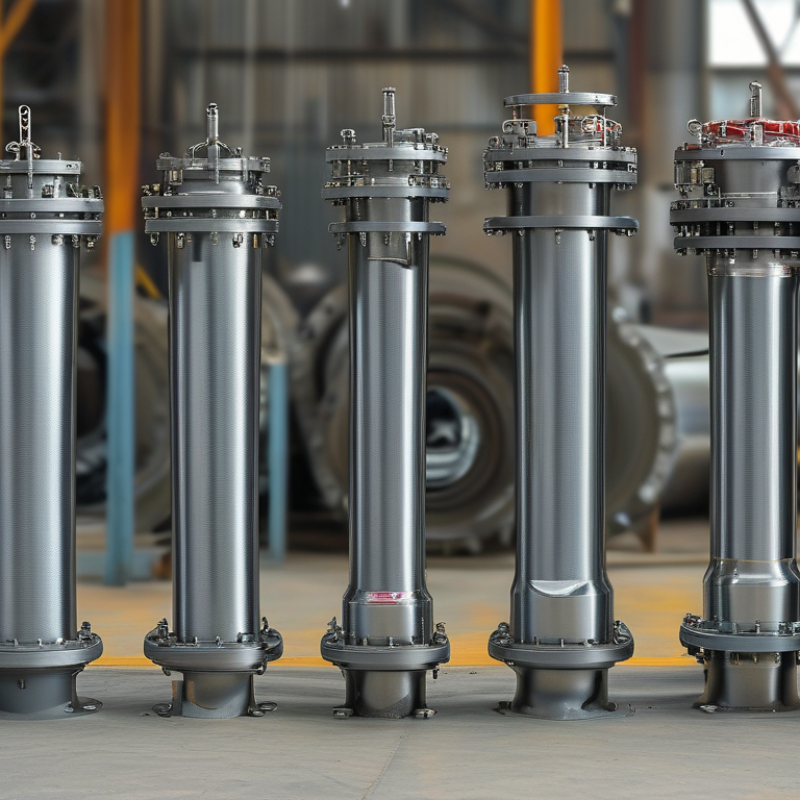
Top Expansion Joints What You Need to Know for Sourcing?

Understanding Expansion Joints: Definition and Purpose

Expansion joints are crucial components in various structures. They allow for the controlled movement caused by thermal expansion, contraction, and other environmental factors. By absorbing stress, these joints prevent damage to buildings, bridges, and pipelines. Understanding their definition and purpose is key when sourcing the right products.

When choosing expansion joints, consider their application. Different environments require different materials and designs. For example, a high-temperature setting demands a robust joint that can withstand extreme conditions. Keep in mind that not all expansion joints are the same. Some are designed for specific applications, while others are more versatile.

Tips: Always consult industry professionals when making selections. Their experience can guide you through the complex choices. Avoid rushing the decision-making process. Take time to evaluate your project’s unique needs. Remember, a poorly chosen joint can lead to significant future problems. Reflecting on these factors is essential for a successful outcome.

Types of Expansion Joints: Common Variations and Applications

When sourcing expansion joints, understanding their types is crucial. Various styles of expansion joints exist, each tailored to specific applications. Common types include metal, rubber, and fabric expansion joints. Metal joints are robust and often used in high-temperature settings. Rubber joints are flexible and ideal for absorbing vibrations. Fabric joints offer lightweight options for low-pressure applications, making them versatile.

Applications of these joints vary significantly. In industrial pipelines, metal expansion joints accommodate thermal expansion and movement. Rubber joints often find a home in HVAC systems, providing flexibility. Fabric joints are suitable for duct work in buildings, ensuring efficient airflow.

While these variations serve essential roles, challenges can arise. Incorrect selection may lead to premature failure, which can compromise system integrity. It’s important to match the joint type with the specific conditions and loads expected in the application. Engaging with knowledgeable suppliers can enhance understanding and mitigate risks. Fine-tuning your choices based on project requirements ensures reliability and longevity.

Key Factors to Consider When Sourcing Expansion Joints

When sourcing expansion joints, several key factors should be in mind. The type of material is crucial. Common materials include rubber, metal, and fabric. Each material serves different environments and applications. Consider thermal expansion, pressure, and vibration. These factors affect joint performance.

Understanding the application is vital. For high-pressure systems, a robust design is crucial. Meanwhile, for piping in corrosive environments, specialized materials may be necessary to prevent leaks. Analyzing temperature variations can also guide material choice. It’s essential to balance durability and flexibility to ensure effectiveness.

Tips: Evaluate the manufacturer's experience. Their track record can indicate reliability. Research different designs and their specific applications. Doing so saves time and prevents costly mistakes. Reach out for technical advice if needed. Industry experts can provide valuable insights on material selection and design.

Material Selection for Expansion Joints: Pros and Cons

Material selection for expansion joints is crucial. Various materials provide different benefits and drawbacks. Rubber is common for its flexibility and resilience. However, it may not withstand extreme temperatures well. Metal joints offer durability but can be prone to corrosion. Assessing the environment and application is vital.

Tips: Prioritize temperature and pressure ratings. Consider the medium that will flow through the joint. This affects material integrity and longevity.

Thermoplastic materials have gained attention. They combine flexibility and strength. Yet, their cost can be higher than traditional rubber. It's important to weigh budget constraints against performance needs. Longevity can save money in the long run.

Tips: Always test samples before final selection. This helps identify any unforeseen issues with the joint material under specific conditions. Regular evaluations can prevent costly replacements.

Top Expansion Joints: What You Need to Know for Sourcing

Material Pros Cons Typical Applications
Rubber Good flexibility, easy installation Limited temperature resistance Pipelines, HVAC systems
Metal High strength, excellent durability Heavyweight, more expensive Heavy-duty machinery, industrial applications
Fabric Lightweight, flexible Limited lifespan, less durable Air ducts, low-pressure systems
PTFE (Teflon) High chemical resistance, low friction Requires careful handling Chemical processing, food industry
Composite Lightweight, strong Can be expensive to produce Aerospace, automotive components

Maintenance and Inspection of Expansion Joints: Best Practices

Maintaining and inspecting expansion joints is crucial for system longevity. Regular inspections can identify problems early, preventing costly repairs. A recent industry report highlighted that improper maintenance can lead to a 30% reduction in the lifespan of these critical components. Inspecting seals, elastomers, and support structures is vital. Experienced technicians should look for signs of wear and fatigue.

Best practices recommend conducting thorough inspections every six months. Using infrared thermography can help detect temperature variations, which indicate potential failure points. Regular cleaning is also essential. Debris can affect the integrity of joints, causing premature degradation. Data shows that 45% of expansion joint failures result from neglecting maintenance procedures.

Training personnel on proper inspection techniques is often overlooked. This can lead to inconsistent evaluations and missed issues. It’s crucial to invest in ongoing training. Facilities that prioritize employee education report a significant decrease in failure rates. Remember, maintenance is not just a task; it’s a mindset that ensures safety and efficiency.

FAQS

: What are the common types of expansion joints?

: Common types include metal, rubber, and fabric expansion joints. Each type serves different applications.

How do metal expansion joints function?

Metal joints are robust and suited for high-temperature environments. They manage thermal expansion effectively.

Where are rubber expansion joints typically used?

Rubber joints provide flexibility and are commonly used in HVAC systems. They help absorb vibrations.

What applications are fabric expansion joints suitable for?

Fabric joints are lightweight and ideal for low-pressure duct work. They enhance airflow in buildings.

Why is regular maintenance of expansion joints important?

Regular maintenance helps identify issues early. This can prevent costly repairs and extends the lifespan.

How often should expansion joints be inspected?

It’s best to conduct thorough inspections every six months. This ensures optimal performance and safety.

What are signs of wear to look for during inspections?

Inspectors should check for wear on seals, elastomers, and support structures. Fatigue is a critical indicator.

How does neglecting maintenance affect expansion joints?

Data shows that neglect can lead to a 30% reduction in the lifespan of these components.

How can training improve inspection consistency?

Training staff on proper techniques ensures consistent evaluations. This reduces the risk of missed issues.

What is the mindset needed for effective maintenance?

Maintenance should be viewed as a commitment to safety and efficiency. It’s essential for system reliability.

Conclusion

Expansion joints are critical components in various structures, designed to absorb temperature-induced expansions and contractions, as well as to accommodate vibrations and misalignments. Understanding the definition and purpose of expansion joints is essential for anyone involved in sourcing. There are several types of expansion joints available, each suited for specific applications, highlighting the importance of selecting the right type based on the project's requirements.

When sourcing expansion joints, several key factors must be considered, including design compatibility, load-bearing capacity, and environmental conditions. Material selection is also vital, as different materials offer distinct advantages and disadvantages in terms of durability and performance. Regular maintenance and inspection of expansion joints are crucial best practices to ensure their longevity and functionality, ultimately supporting overall structural integrity.

Charlotte

Charlotte

Charlotte is a seasoned marketing professional with a deep understanding of the company's portfolio and a passion for elevating its presence in the market. With a keen eye for detail and a commitment to excellence, she ensures that our professional blog is regularly updated with insightful articles......