HESPER
A Conveyor Belt Wiper helps remove carryback before it reaches walkways, transfer points, and return rollers. In busy quarries, mines, and processing plants, even a thin layer of wet material can create serious maintenance problems. Dusty spillage may collect beneath the conveyor. Sticky ore can harden overnight. These small failures often become expensive disruptions.
Choosing the right Conveyor Belt Wiper depends on belt speed, material moisture, temperature, and pulley design. Polyurethane blades usually offer strong abrasion resistance, while softer compounds can protect delicate belt surfaces. A well-adjusted wiper maintains steady contact without excessive pressure. That balance matters. Too little contact leaves residue behind. Too much contact may increase belt wear and energy use.
Experienced maintenance teams inspect blade edges, mounting brackets, and belt tracking during scheduled checks. They also watch for uneven wear near the belt center, where loading can be heaviest. Reliable manufacturers provide material data, installation guidance, and practical service support. Still, no wiper solves every problem alone. Poor belt alignment, damaged splices, or overloaded chutes can reduce performance. That is easy to overlook.
A carefully selected Conveyor Belt Wiper can improve housekeeping, extend component life, and reduce unplanned cleaning. Results depend on installation quality and regular inspection. Measure the real conditions. Ask practical questions. The best choice is not always the most expensive model, and initial assumptions may need revision after field testing. Better control begins with honest observation.
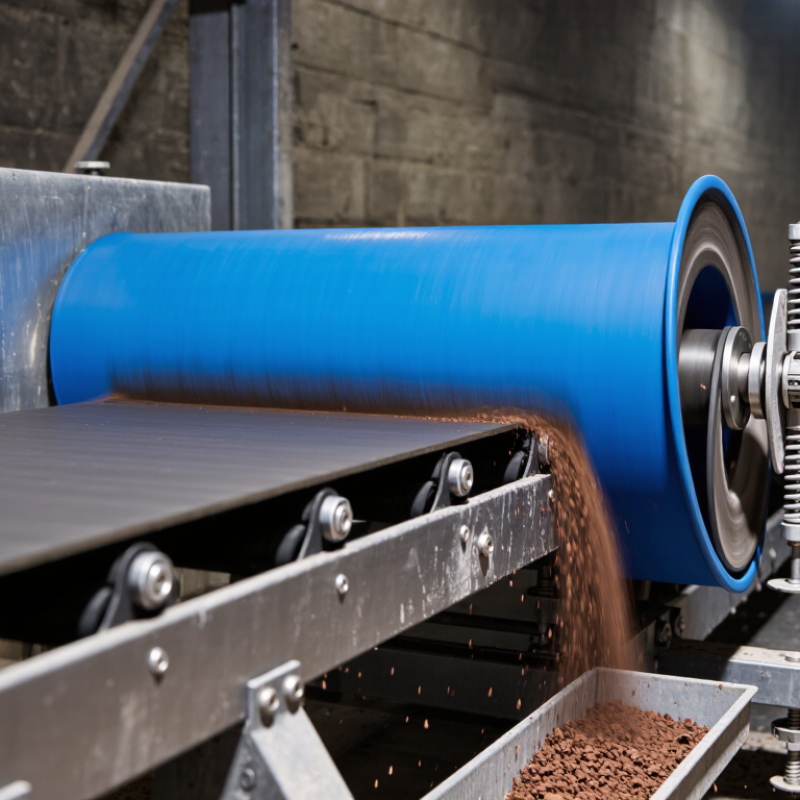
A conveyor belt wiper is a cleaning device installed against a moving conveyor belt. Its blade removes sticky material after the belt passes the discharge point. This material may include wet soil, stone dust, grain residue, or other transported products. Without proper cleaning, carryback can fall along the return path and create slippery floors, blocked rollers, and extra maintenance work.
The wiper normally uses a flexible blade pressed lightly against the belt surface. Spring tension or another adjustment system maintains contact as the blade wears. A primary wiper removes larger deposits near the head pulley. A secondary wiper handles the thinner film left behind. In daily inspections, technicians should check blade wear, mounting bolts, belt tracking, and unusual vibration. Small changes matter.
Too much pressure can damage the belt or increase power use. Too little pressure leaves residue behind. Finding the right setting takes observation. Not every belt responds the same way. I once assumed a thicker blade would clean better, but material buildup showed that alignment mattered more. This is easy to overlook. Regular cleaning also improves visibility around transfer points, although it cannot replace safe guarding and scheduled inspections. A suitable wiper should match the belt cover, material moisture, belt speed, and operating temperature. Records of adjustments help maintenance teams repeat reliable settings instead of guessing each time.
A conveyor belt wiper removes carryback before it reaches the return side. It works at the discharge pulley, where a polyurethane or carbide-tipped blade presses lightly against the moving belt. The blade scrapes away wet ore, coal dust, or sticky clay. Removed material falls into a chute or collection area.
The method is simple, but tension matters. Too little pressure leaves a visible film on the belt. Too much pressure can increase wear, heat, and belt damage. CEMA’s Belt Conveyors for Bulk Materials, 7th Edition, identifies belt cleaning as a key control for carryback and material spillage. Field maintenance guidance commonly places a primary cleaner near the head pulley, followed by a secondary cleaner underneath. A cleaner works best when belt alignment, blade contact, and tension are checked together.
The numbers can be persuasive. A 2023 conveyor-belt market report by Grand View Research estimated the global market at more than 5 billion US dollars, reflecting the scale of material-handling operations. Yet market size does not guarantee cleaner performance. A practical inspection is better: run a gloved hand near the return belt only when the system is safely isolated, then measure the remaining residue. Some installations still leave a thin, stubborn stripe after adjustment. That is not failure, but it signals that blade material, belt moisture, or pulley alignment deserves another review.
Why Choose a Conveyor Belt Wiper?
What Problems Does a Conveyor Belt Wiper Solve?
Material stuck to a conveyor belt can travel far beyond the discharge point. Moist soil, powder, and sticky minerals often cling to the belt surface. This carryback drops onto walkways, rollers, and return structures. The result is more cleanup, higher slip risks, and unnecessary maintenance delays.
A properly adjusted belt wiper removes remaining material near the head pulley. It helps keep transfer areas cleaner and reduces buildup around return rollers. Cleaner belts can also improve tracking because uneven deposits do not disturb belt movement. In daily operation, this means fewer shovels, shorter cleanup stops, and better visibility during inspections. Small details matter.
Selection requires practical judgment. A wiper must match the belt width, belt speed, material, and operating temperature. A blade that works well with dry powder may perform poorly against wet clay. Installation pressure also matters. Too little pressure leaves carryback behind, while too much pressure can increase blade wear or belt stress.
The first setting is rarely perfect. Operators should inspect the contact line after installation and adjust it gradually. Look for uneven wear, noise, heat, or visible streaks on the belt. These signs can reveal a poor angle or excessive pressure. Regular checks remain necessary, even when the conveyor appears clean.
A conveyor belt wiper helps remove carryback from the belt's carrying surface before material reaches the return path. This can reduce material spillage, return-side buildup, manual cleanup requirements, and the risk of material accumulating around pulleys and walkways.
The chart uses a practical 0–10 operational-impact scale to compare common conveyor problems; actual results depend on material characteristics, belt speed, moisture, belt condition, and wiper design.
Conveyor belt wipers offer a practical way to control carryback after material leaves the discharge point. In daily maintenance, even a thin layer of wet ore or sticky aggregate can build beneath the return strand. That residue may reach pulleys, walkways, and floor drains. A correctly adjusted wiper removes much of it before it spreads.
The benefit is visible. Cleaner belts reduce manual shoveling, limit material loss, and improve housekeeping around transfer areas. Less carryback can also reduce buildup on return idlers and pulley surfaces. This may support steadier belt movement and fewer unplanned cleaning stops. Small changes matter. A few minutes of inspection can reveal uneven blade wear, loose fasteners, or poor contact. These details are easy to miss.
Wipers also help maintenance teams work more safely. Fewer scattered particles mean less slipping risk near the conveyor, although they cannot replace guarding or established safety procedures. Selection still requires care. Belt speed, material moisture, temperature, belt condition, and splice design all influence performance. An overly rigid blade may damage a worn belt, while a soft blade may wear quickly in abrasive service. I have seen operators tighten a wiper too much, expecting better cleaning. It usually creates unnecessary friction and faster wear. The better approach is controlled contact, regular checks, and prompt blade replacement. No wiper solves every carryback problem. Transfer-point design and loading conditions still deserve attention.
When selecting a conveyor belt wiper, match the cleaner to the belt, material, speed, and transfer conditions. A wiper that works well with dry limestone may struggle with sticky clay. Check belt width, belt speed, splice type, and available mounting space. The blade should remove carryback without damaging the belt surface or mechanical fasteners. For abrasive materials, a tougher blade compound may last longer. For wet, fine material, flexibility can matter more than hardness.
I have found that inspection records improve selection decisions. Note the material temperature, moisture, buildup pattern, and belt tracking behavior. Examine the discharge side after several operating hours, not only after cleaning. A small strip of residue near the edge can reveal poor alignment or uneven tension. It is easy to overlook this detail. Ask the supplier for operating limits, test data, and installation guidance. Reliable documentation matters more than confident sales language.
Maintenance should begin with a safe shutdown and verified isolation. Inspect the blade daily during heavy production, then adjust the interval from actual wear. Remove packed material from the frame and check spring or tension components. Keep the blade square to the belt, with even contact across its width. Excessive pressure can create heat, dust, and premature wear. Replace a cracked or narrowed blade before it exposes the belt. No method is perfect. Conveyor conditions change, so review the records when seasons or materials change.
It is a cleaning device fitted against a moving conveyor belt. Its flexible blade removes carryback after discharge.
Carryback can fall onto walkways, rollers, and return structures. It may create slippery floors and extra maintenance work. Small deposits spread.
The blade presses lightly against the belt surface. A primary blade removes larger deposits, while a secondary blade removes thin residue.
Match the wiper with belt width, speed, material, temperature, and mounting space. Wet clay may need flexibility, while abrasive material may need a tougher compound.
Excessive pressure can create heat, belt stress, and faster wear. Low pressure leaves material behind. The right setting takes observation.
Inspect the contact line after several operating hours. Look for streaks, uneven wear, noise, heat, and residue near the belt edges.
Inspect it daily during heavy production, then adjust the schedule according to actual wear. Remove packed material and check springs, bolts, and mounting parts.
Stop the conveyor and verify isolation before touching the wiper. Keep the blade square with even contact across its width. Safety guarding still matters.
Not reliably. Conditions change with moisture, temperature, material, and belt tracking. I once expected a thicker blade to work better, but alignment mattered more.
A Conveyor Belt Wiper is a cleaning device installed on a conveyor system to remove material that remains on the belt after discharge. It typically uses a durable blade or wiping element positioned against the belt surface. As the belt moves, the wiper applies controlled contact to scrape away carryback and guide the removed material to a suitable collection point. Its design can be adapted to different belt widths, speeds, materials, and operating conditions.
By reducing carryback, a Conveyor Belt Wiper helps prevent material buildup on pulleys, return rollers, walkways, and surrounding equipment. This can improve workplace cleanliness, reduce spillage, limit belt tracking problems, and support more reliable operation. To choose the right wiper, users should consider belt speed, material characteristics, moisture levels, temperature, belt construction, and available mounting space. Regular inspection, adjustment, cleaning, and timely replacement of worn wiping elements are essential for maintaining effective performance and extending service life.
