Home >
Machinery >
Discount Filter Cloth for Filter Press Machine Suppliers, Factories
1 / 5
Discount Filter Cloth for Filter Press Machine Suppliers, Factories
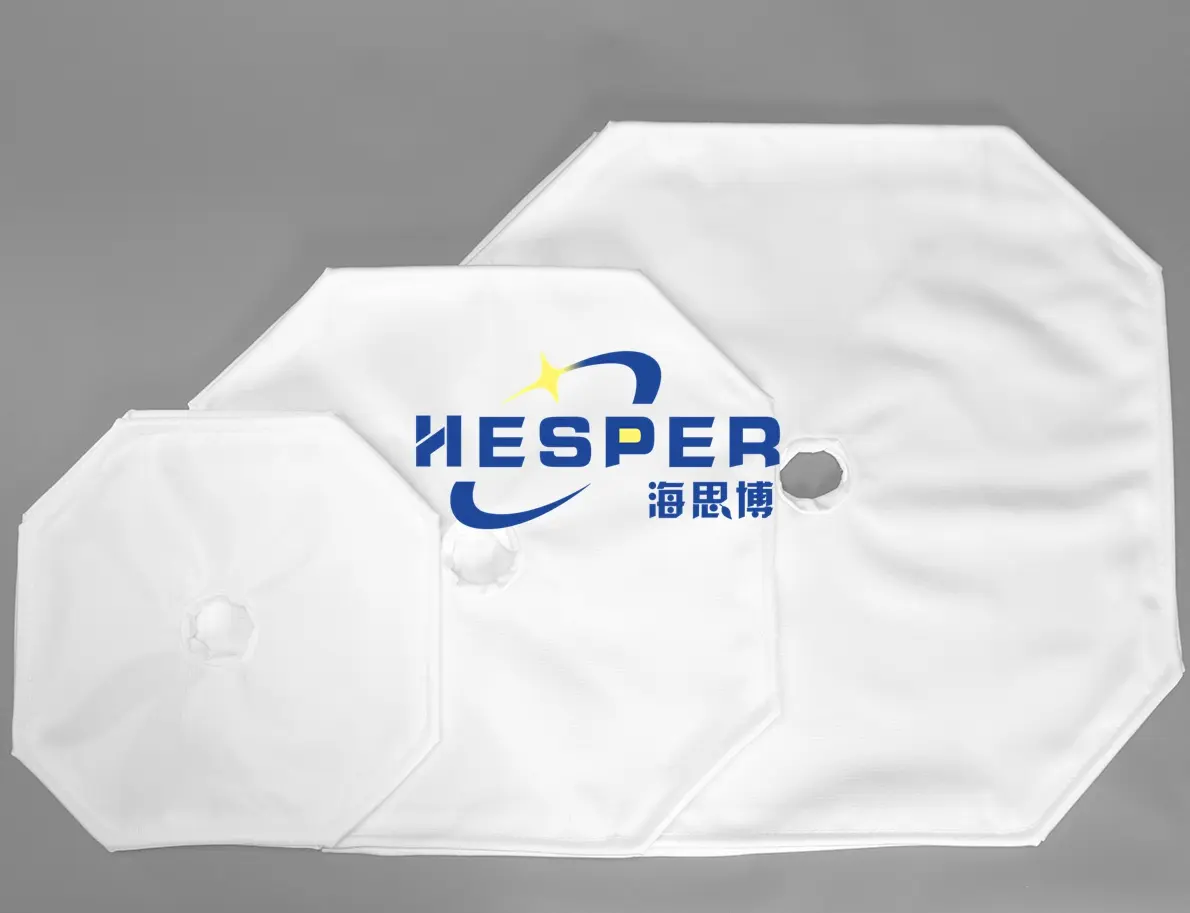
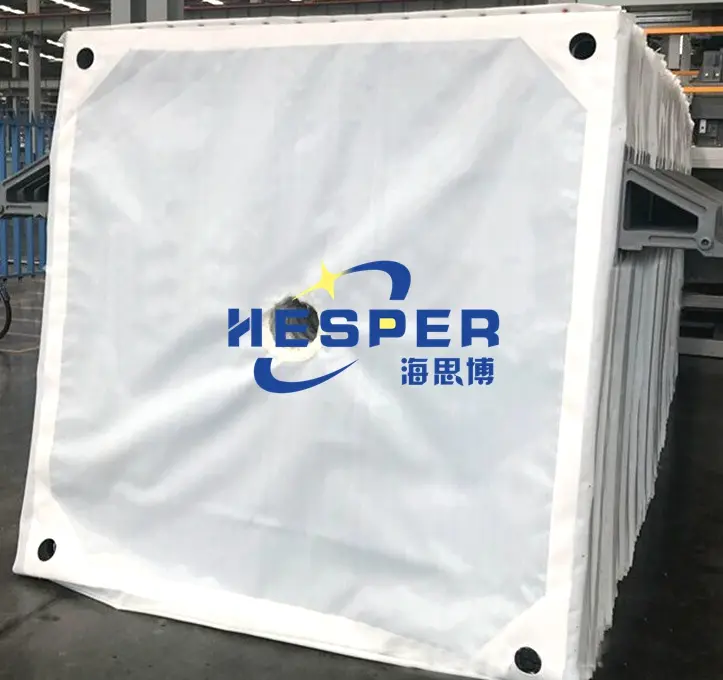
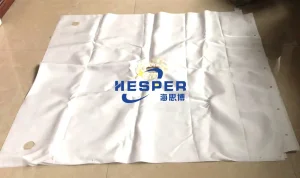
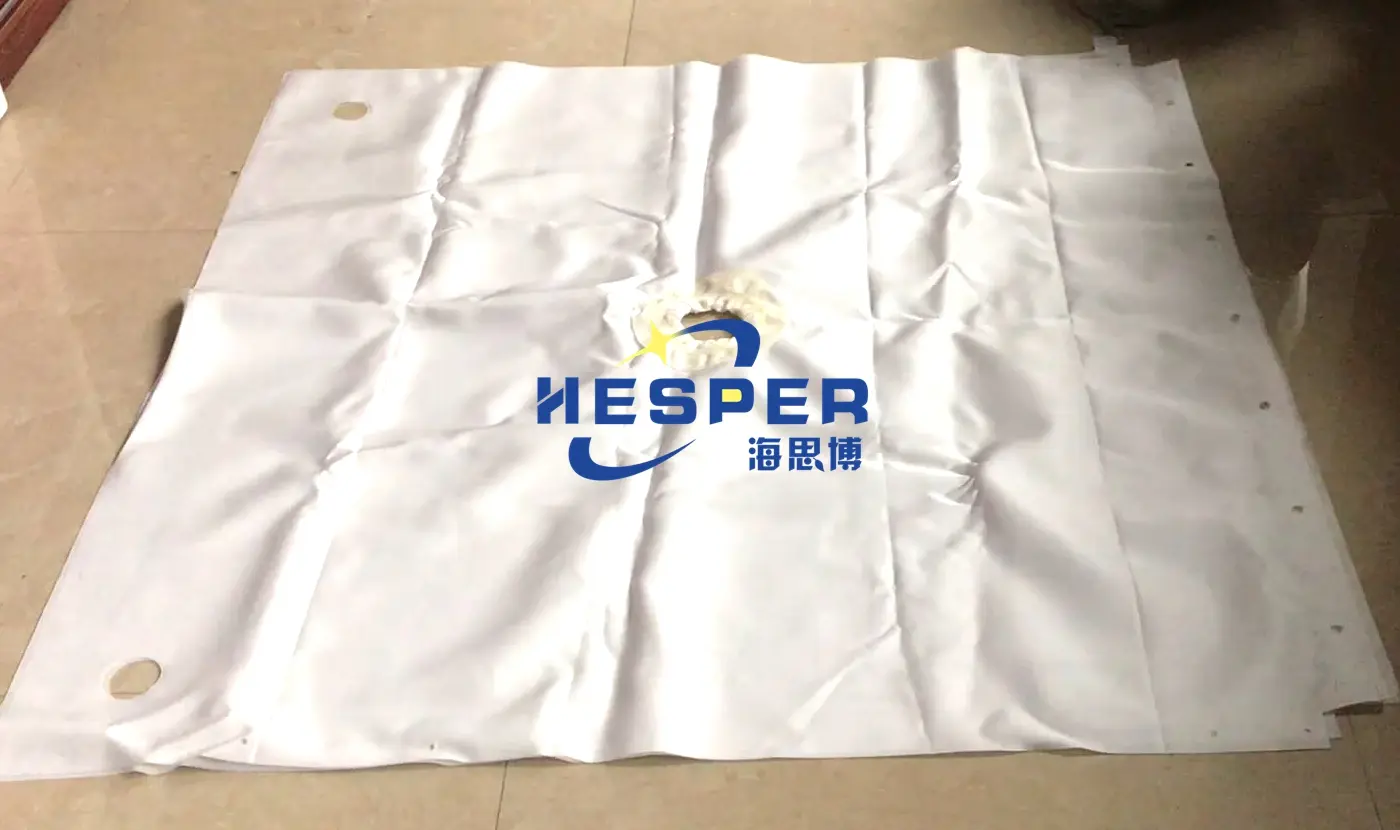
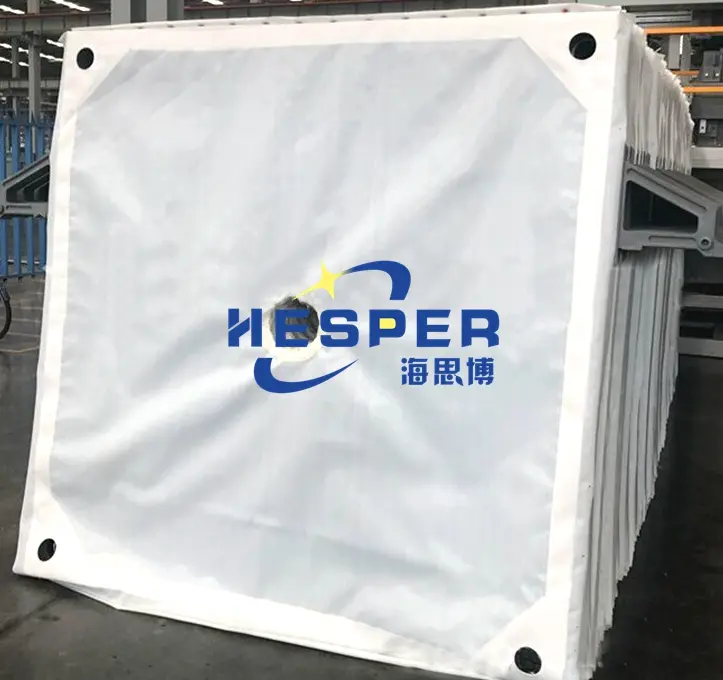
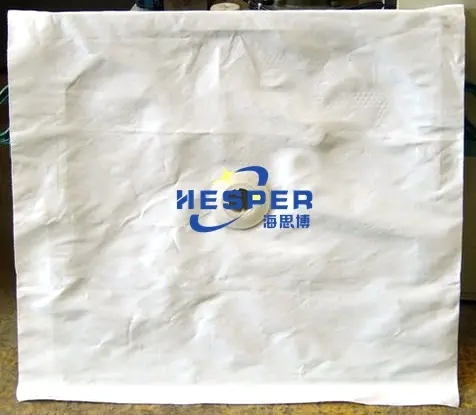
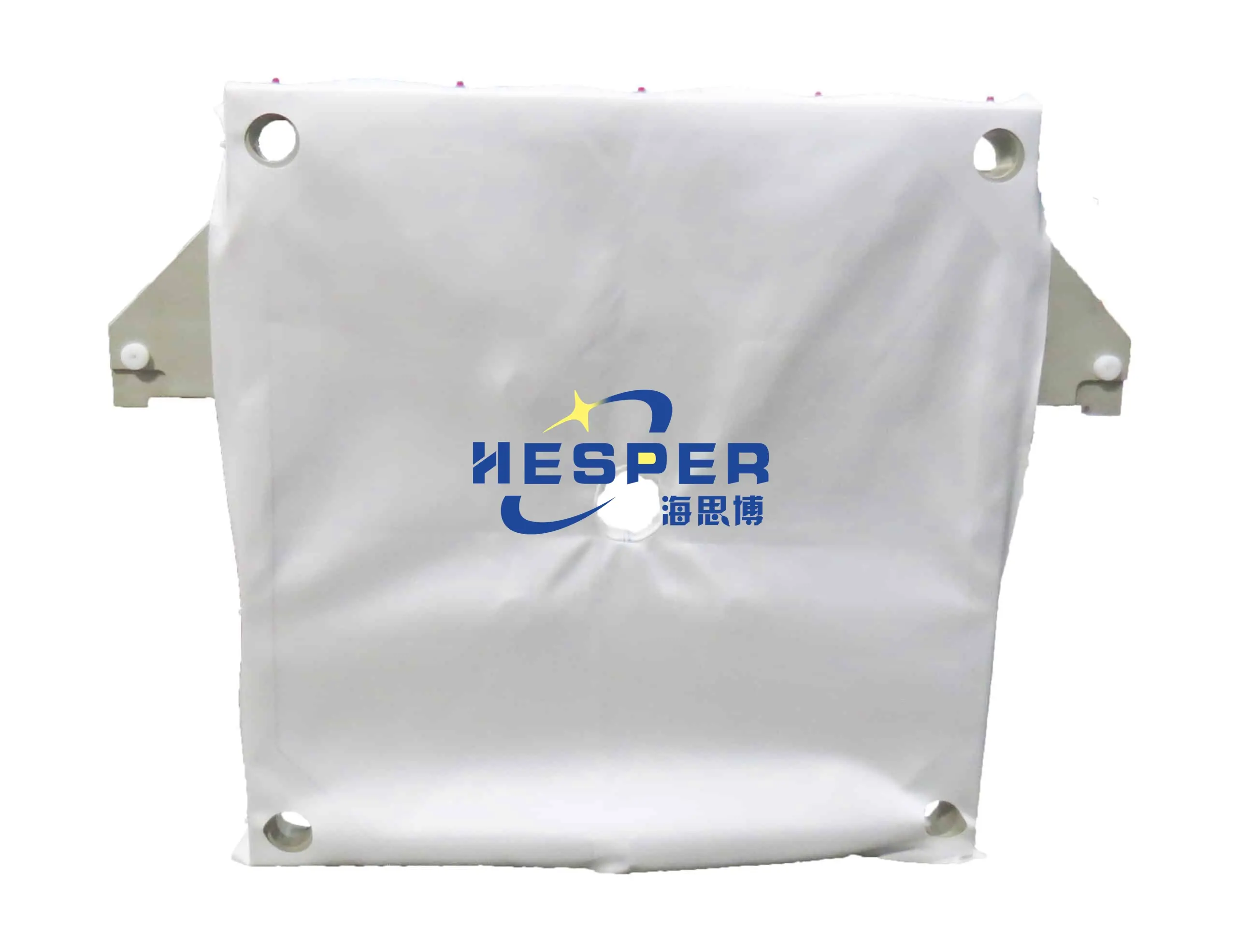
Filter cloth is a necessary filter medium for filter press, the common filter cloth size of Shandong Hesper Rubber Plastic Co., Ltd. is between 300-2000mm, can be customized according to different situations. According to the material, filter press cloth normally include 4 types, polyester(terylene/PET), polypropylene (PP), chinlon (polyamide/nylon) and vinylon. Especially the PET and PP material are very popularly used.
Filter cloth is a necessary filter medium for filter press. The common filter cloth size is between 300-2000mm and can be customized according to different situations. According to the material, filter press cloth normally includes 4 types: polyester (terylene/PET), polypropylene (PP), chinlon (polyamide/nylon), and vinylon. PET and PP materials are particularly popular in industrial applications.
Polyester/PET Filter Press Cloth
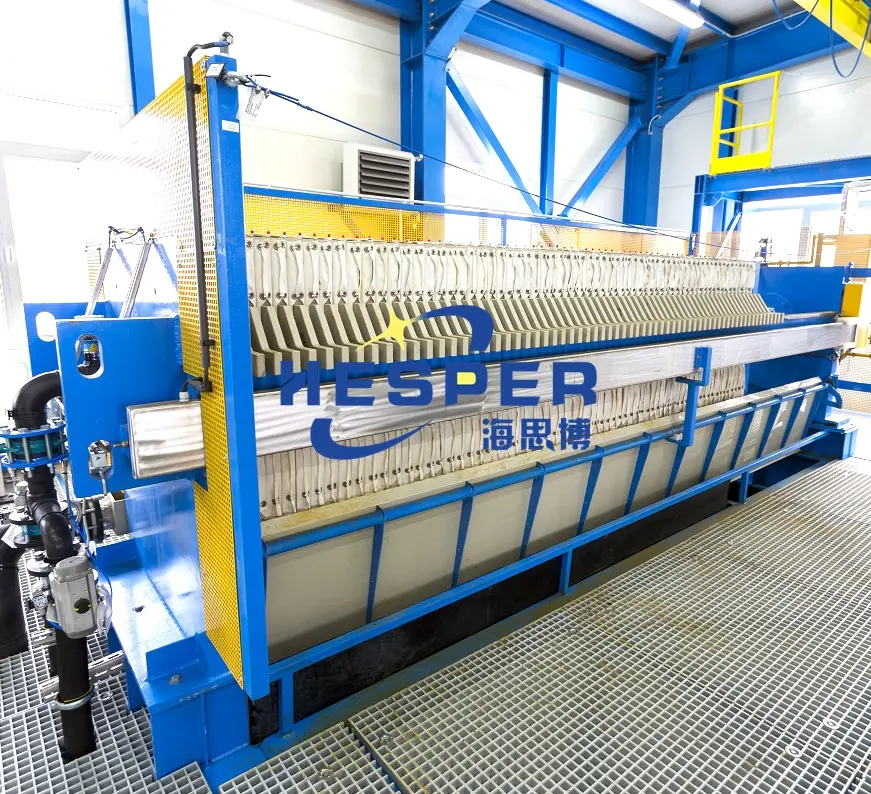
Polyester Filter Cloth can be divided into PET staple fabrics, PET long thread fabrics, and PET monofilament. These products possess properties of strong acid-resistance, fair alkali-resistance, and an operating temperature of 130 centigrade degree. They are widely used in pharmaceutical, non-ferry melting, and chemical industries for equipment such as frame filter presses, centrifuge filters, and vacuum filters. The filtering precision can reach less than 5 microns.
Polypropylene/PP Filter Press Cloth
Polypropylene filter cloth possesses properties of acid-resistance, alkali-resistance, and small specific gravity. It has a melting point of 142-140 centigrade degree and a maximum operating temperature of 90 centigrade degree. These are mainly used in precision chemicals, dye chemical, sugar, pharmaceutical, and alumina industries for frame filter presses, belt filters, blend belt filters, disc filters, and drum filters. The filter precision can reach less than 1 micron.
Applications
✔ Dewatering of municipal sludge in sewage plants
✔ Dewatering of paper sludge and pulp
✔ High pressure dewatering of pulp
✔ Filtering of fruit and vegetable juices
✔ Filtering of wine
✔ Dewatering of minerals in mining industry
✔ Dewatering of sand
✔ Dewatering of sludge in agriculture
How to make the right filter cloth for you?
According to the requirements of acid-base resistance, tensile strength, filter precision, and filter speed of different filter objects, we first determine the material and model. Various types available include plate frame filter cloth, recessed filter cloth, membrane filter cloth, CGR filter cloth, high temperature filter cloth, and anti-wear filter cloth.
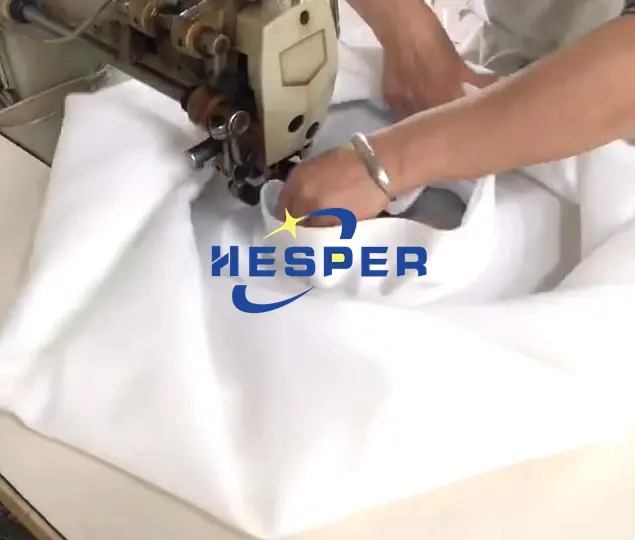
Then, according to the size and shape of the filter plate, we process the matching filter cloth. We also customize filter cloth connections according to your needs, such as cable ties, velcro, buttonholes, or customized based on your samples.
Frequently Asked Questions
What are the main materials used for filter press cloth?
The most common materials are polyester (PET), polypropylene (PP), chinlon (nylon), and vinylon. PET and PP are the most widely used due to their versatile chemical resistance.
What is the filtration precision of these filter cloths?
Polyester (PET) filter cloth can reach a precision of less than 5 microns, while Polypropylene (PP) filter cloth can achieve a higher precision of less than 1 micron.
How do I choose the right material for my industry?
Selection depends on acid-base resistance needs and temperature. PET is suitable for temperatures up to 130°C and strong acids, while PP is ideal for precise chemical filtering with a maximum operating temperature of 90°C.
Can the filter cloth be customized for specific equipment?
Yes, filter cloths can be customized according to the size and shape of the filter plate, including connections like cable ties, velcro, or buttonholes.
In which industries are these filter cloths typically applied?
They are extensively used in sewage treatment, paper pulp dewatering, mining, food and beverage filtering (juice and wine), and various chemical separation processes.
 HESPER