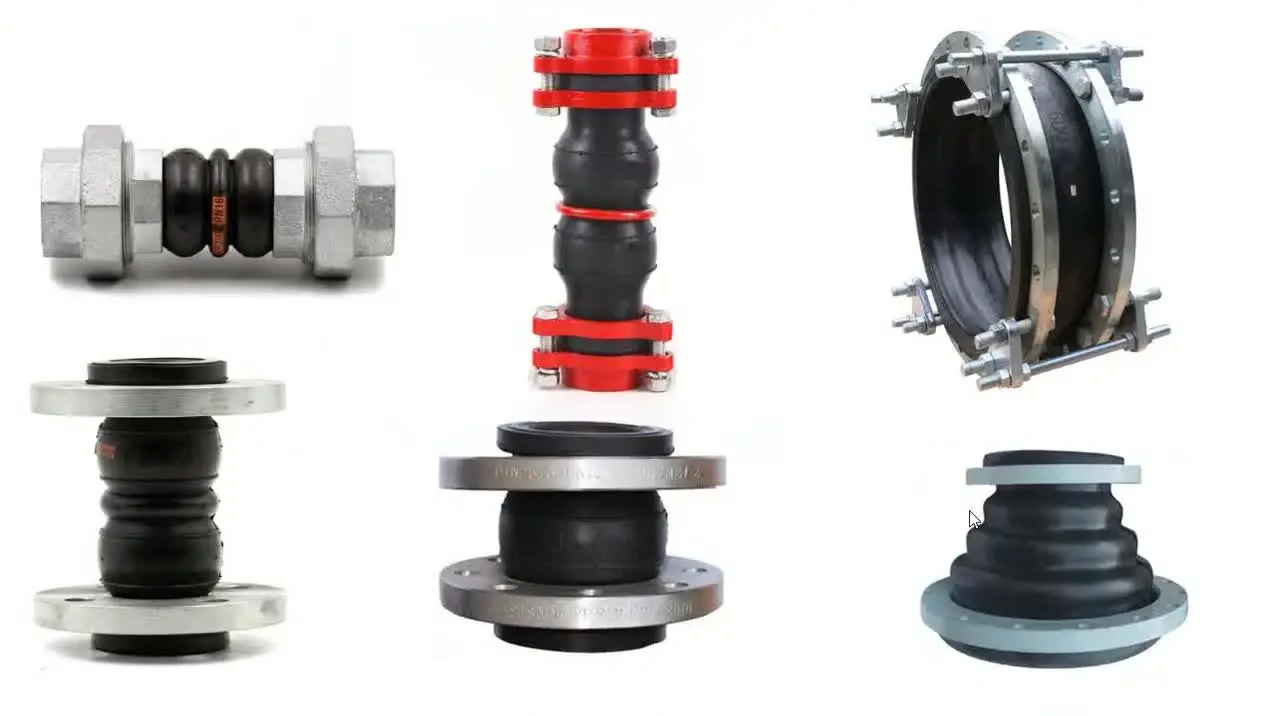
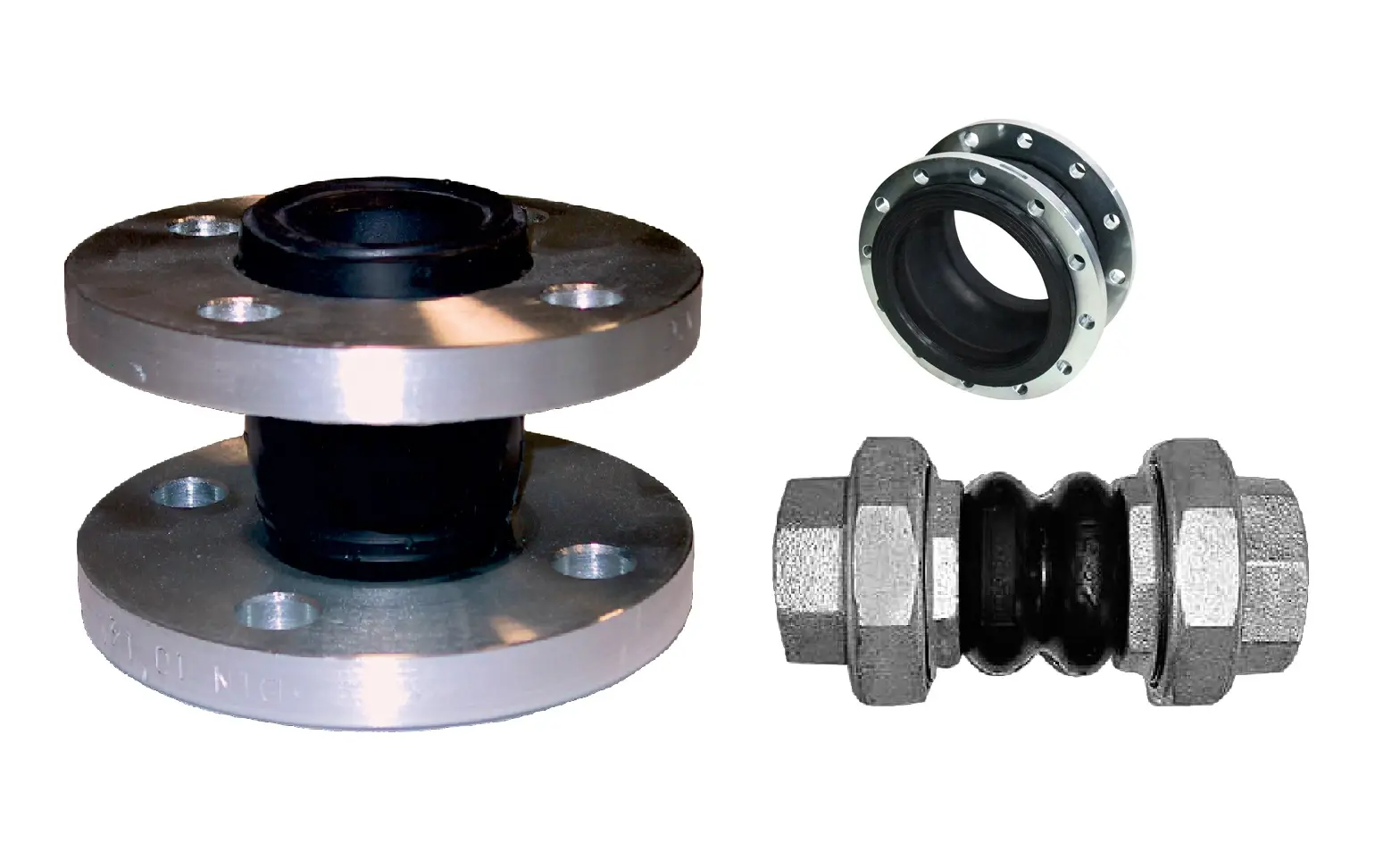
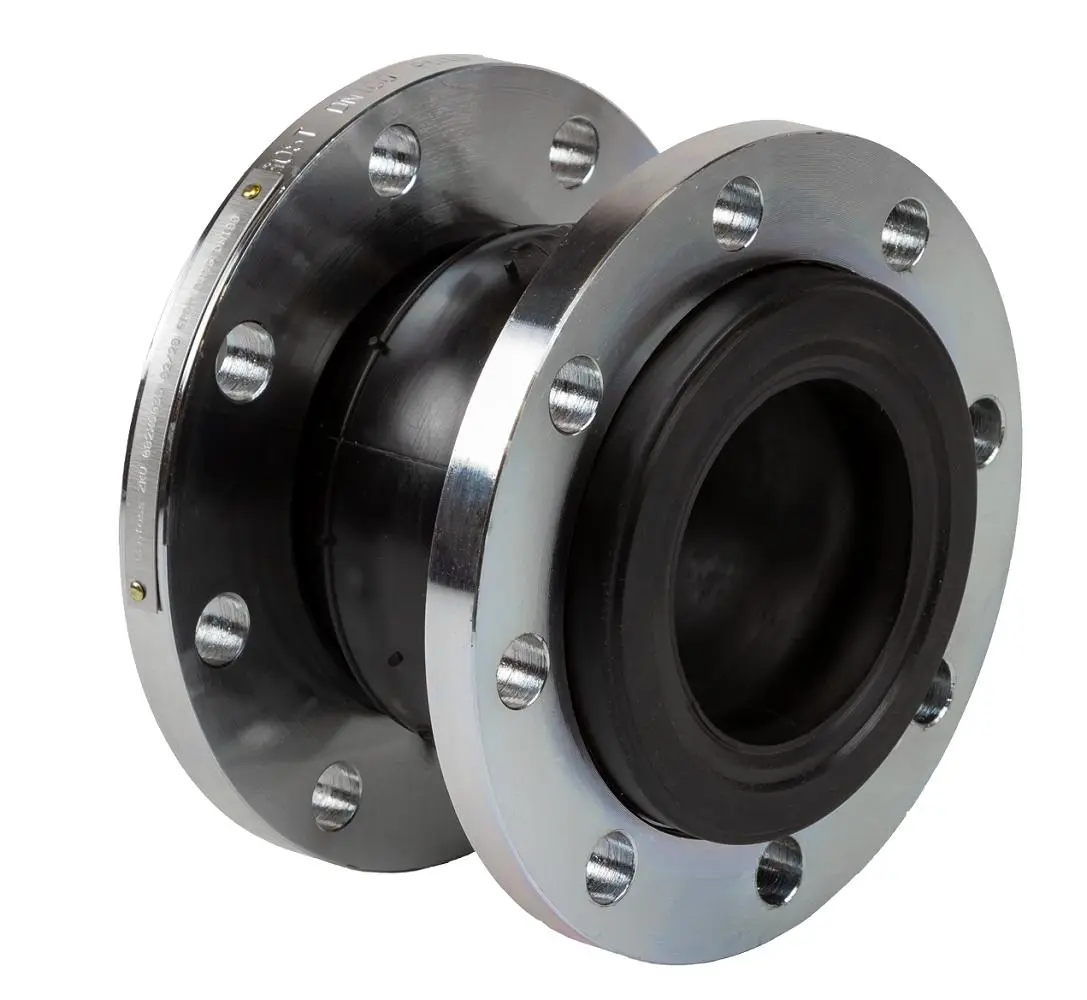
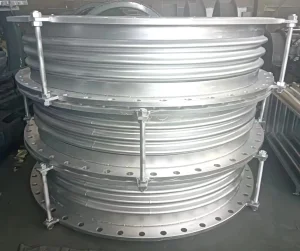
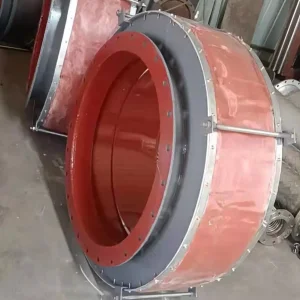
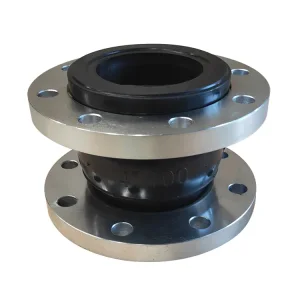
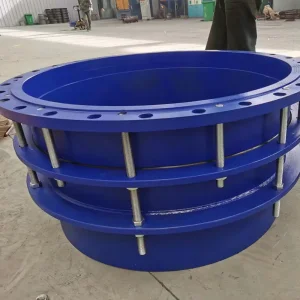
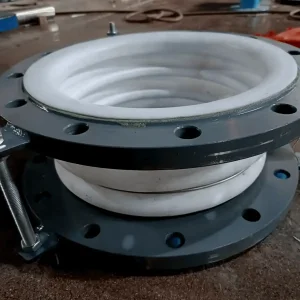
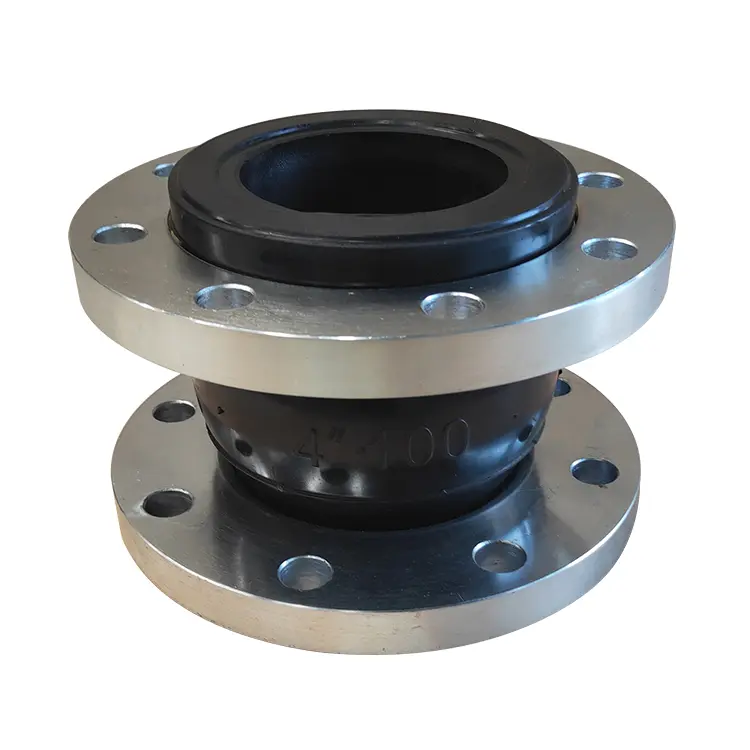
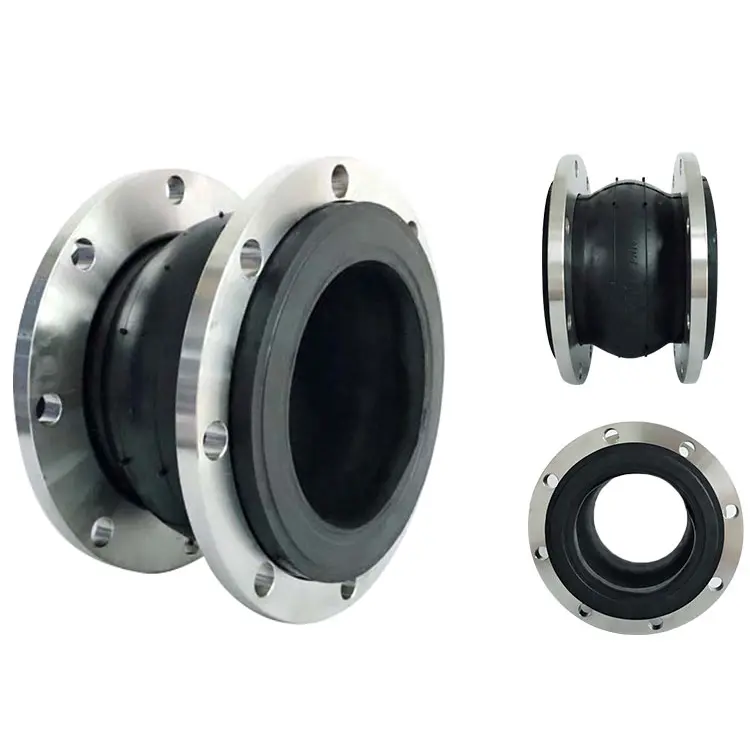
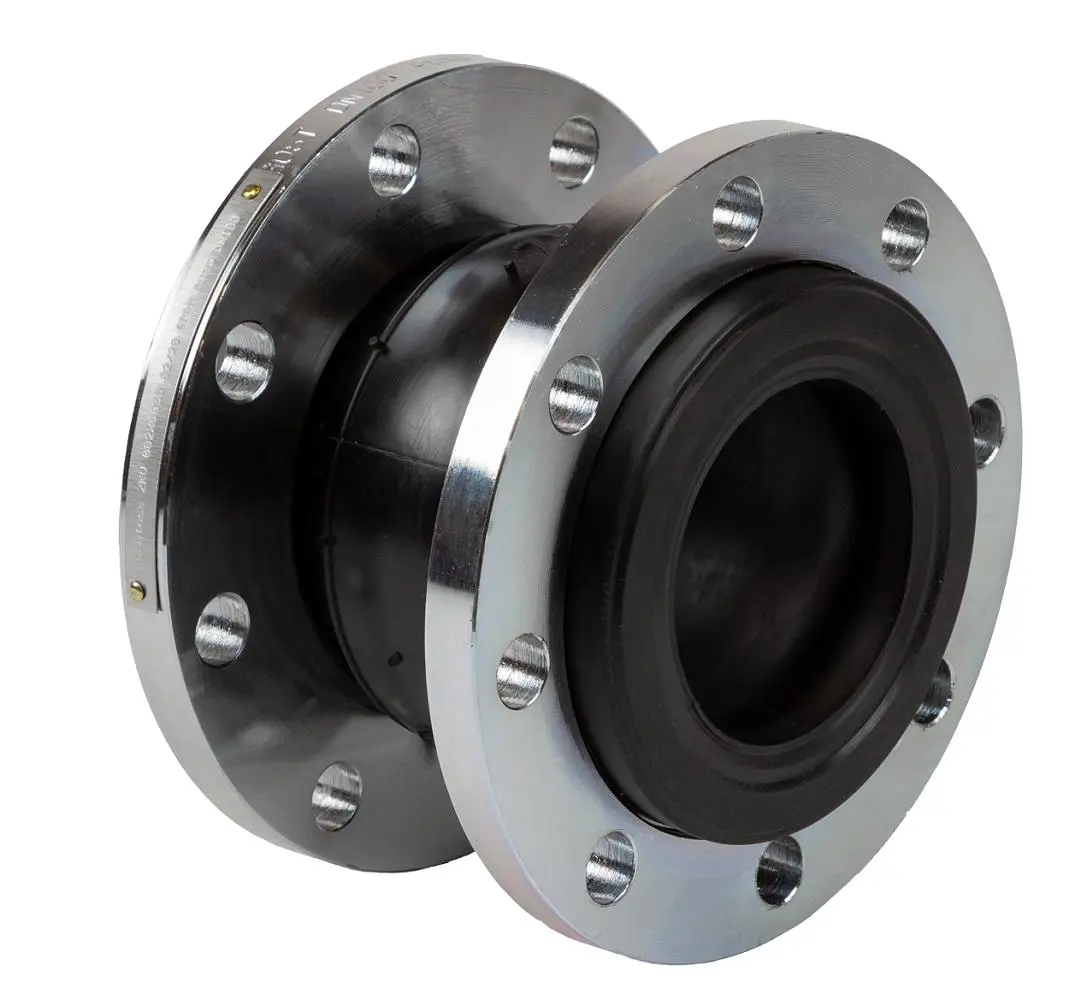
Flexible rubber expansion joint is a type of non-metallic expansion joint designed for versatility and durability. Also commonly known as rubber joints, soft rubber joints, rubber flexible joints, or shock absorbers, these components are essential in pipeline systems. They are engineered to provide high elasticity, exceptional air tightness, and superior resistance to various mediums and weather conditions.
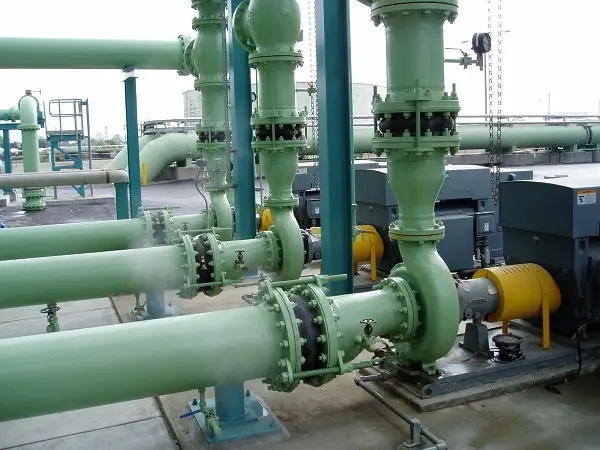
These rubber joints are manufactured using high-quality rubber and polyester cord, ensuring high strength and stable performance under extreme cold or heat. Through a process of high-pressure and high-temperature vulcanization in specialized molds, the joints inherit the natural elasticity of rubber along with radiation and medium resistance. They are ideal for connecting pumps, valves, fire-fighting equipment, and high-vibration pipelines, maintaining a tight seal even with frequent temperature fluctuations.
Key Features
⚙️
Flange Standards
Compatible with JIS, DIN, ANSI, BS, and other international standard flanges.
🧪
Material Options
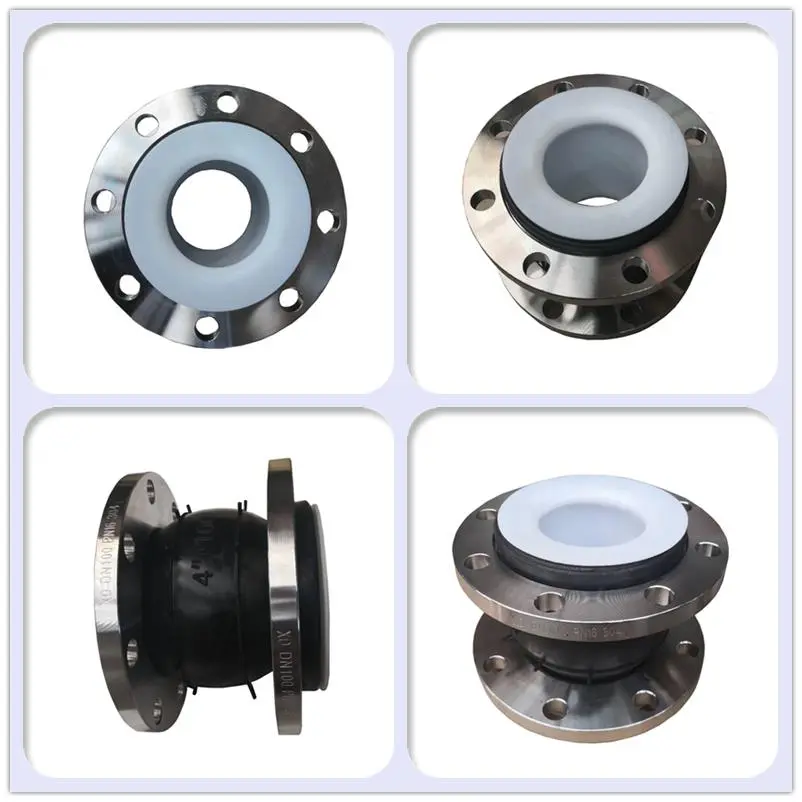
Available in EPDM, Neoprene, Butyl, Hypalon, Natural Rubber, and PTFE (Teflon) lined versions.
💥
Bursting Pressure
60kg/cm² (for sizes 1 1/4" ~ 8") and 40kg/cm² (for sizes 10" ~ 24").
Product Advantages
- Small volume and light weight with excellent flexibility, making installation and maintenance simple.
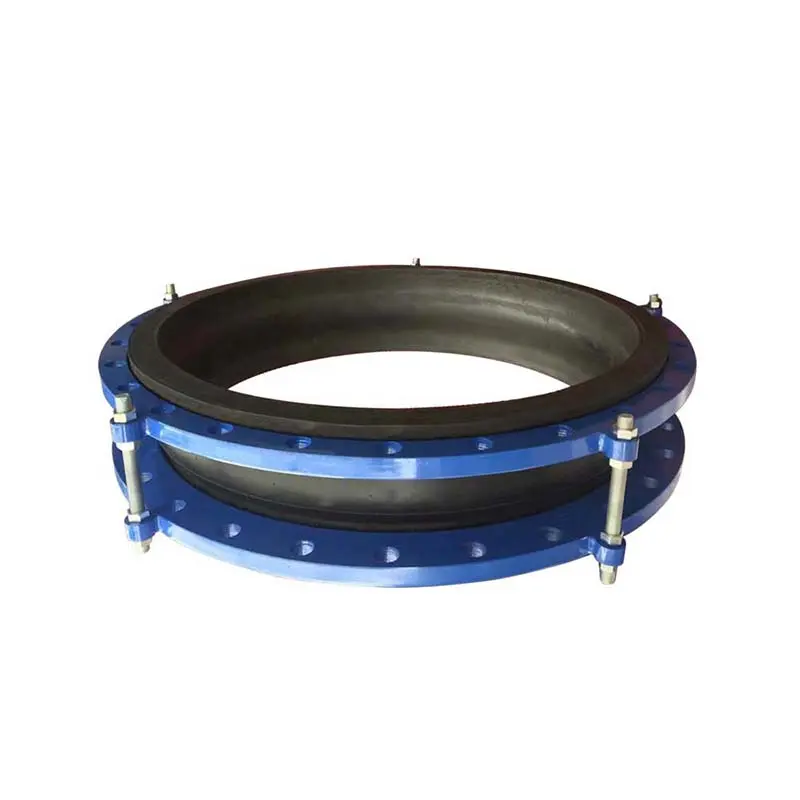
- Capable of meeting various movement requirements; non-standard designs can be customized.
- Significantly reduces noise transmission and possesses strong vibration absorption capabilities during operation.
- Offers a long service life and high operational reliability in demanding environments.
- Versatile application in industrial plants, process engineering, mechanical engineering, and hydraulics.
- Designed for high working pressure with anti-burst properties and superior elasticity.
Applications & Media
Applicable Media: Water, warm water, seawater, weak acids, alkali liquors, and more.
Application Areas: Power generation stations, oil & gas industries, cooling systems, pump stations, desalination plants, HVAC (heating, ventilating, and air conditioning) systems, food processing, and general industrial pipe systems.
Frequently Asked Questions
What is the primary function of a flexible rubber expansion joint?
The primary function is to compensate for movement, misalignment, and thermal expansion in piping systems while significantly reducing noise and absorbing vibrations to protect sensitive equipment like pumps and valves.
Which rubber materials are available for different chemical resistances?
We offer a variety of materials including EPDM for general weather and heat resistance, Neoprene for oil resistance, Butyl for gas impermeability, and PTFE (Teflon) lining for high chemical corrosion resistance.
What flange standards can be used with these joints?
Our rubber expansion joints are designed to be compatible with most global standards, including JIS, DIN, ANSI, and BS flanges, ensuring easy integration into existing international projects.
Can these joints withstand high-pressure environments?
Yes, they are built for high working pressures. For example, smaller sizes (1 1/4" to 8") have a bursting pressure of up to 60kg/cm², while larger sizes (10" to 24") can handle up to 40kg/cm².
Are custom specifications available for unique installations?
Yes, special specifications and non-standard designs can be manufactured separately to meet specific industrial requirements or unique movement constraints.
In what industries are these expansion joints commonly used?
They are widely used in power stations, oil and gas facilities, HVAC systems, water treatment and desalination plants, and food processing industries due to their durability and flexibility.
 HESPER