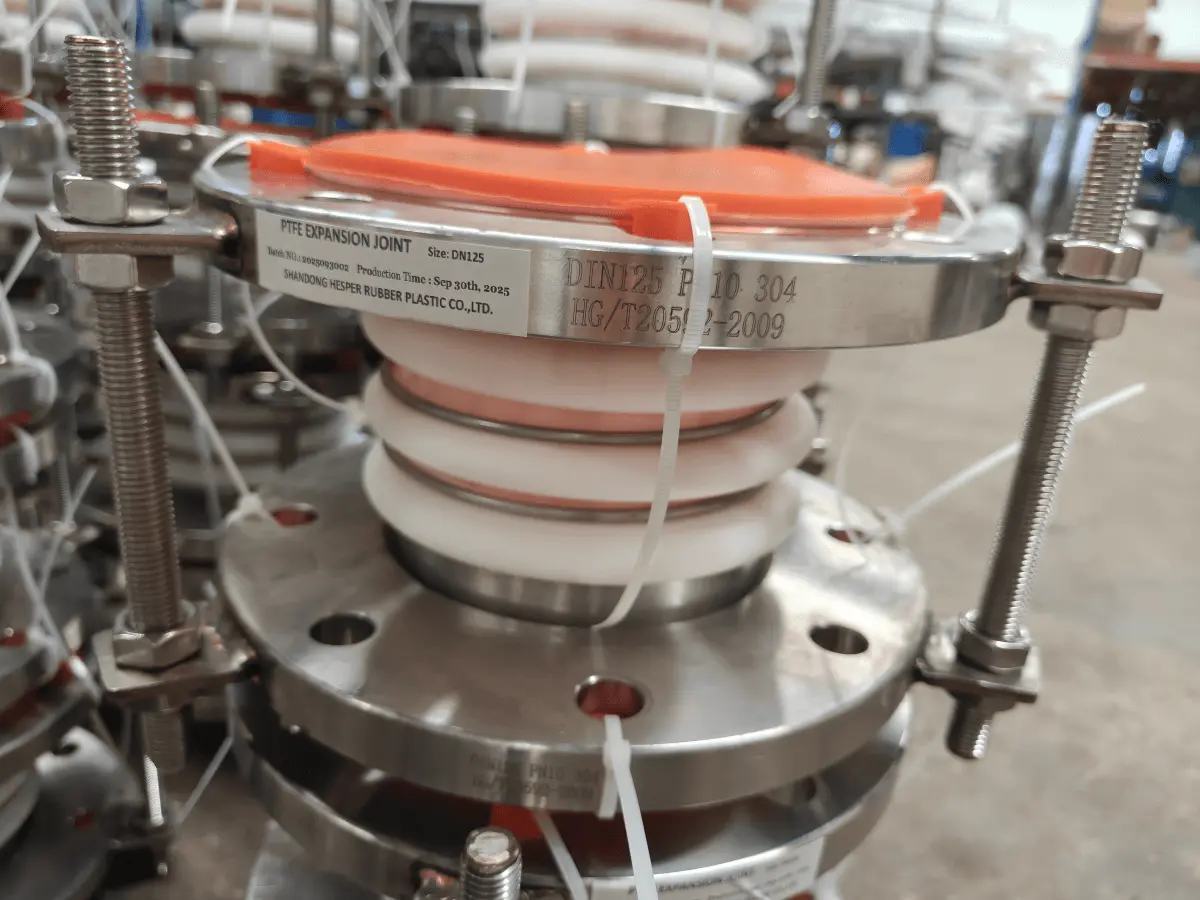
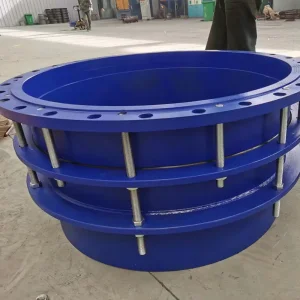
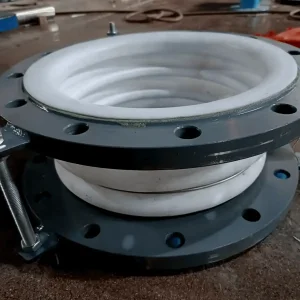
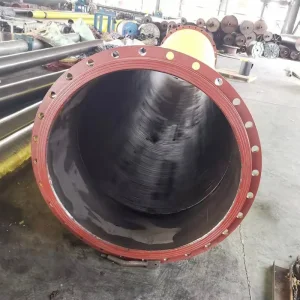
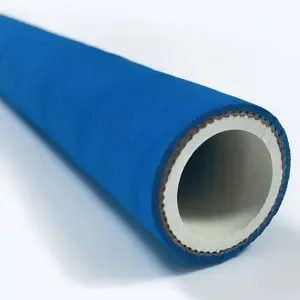
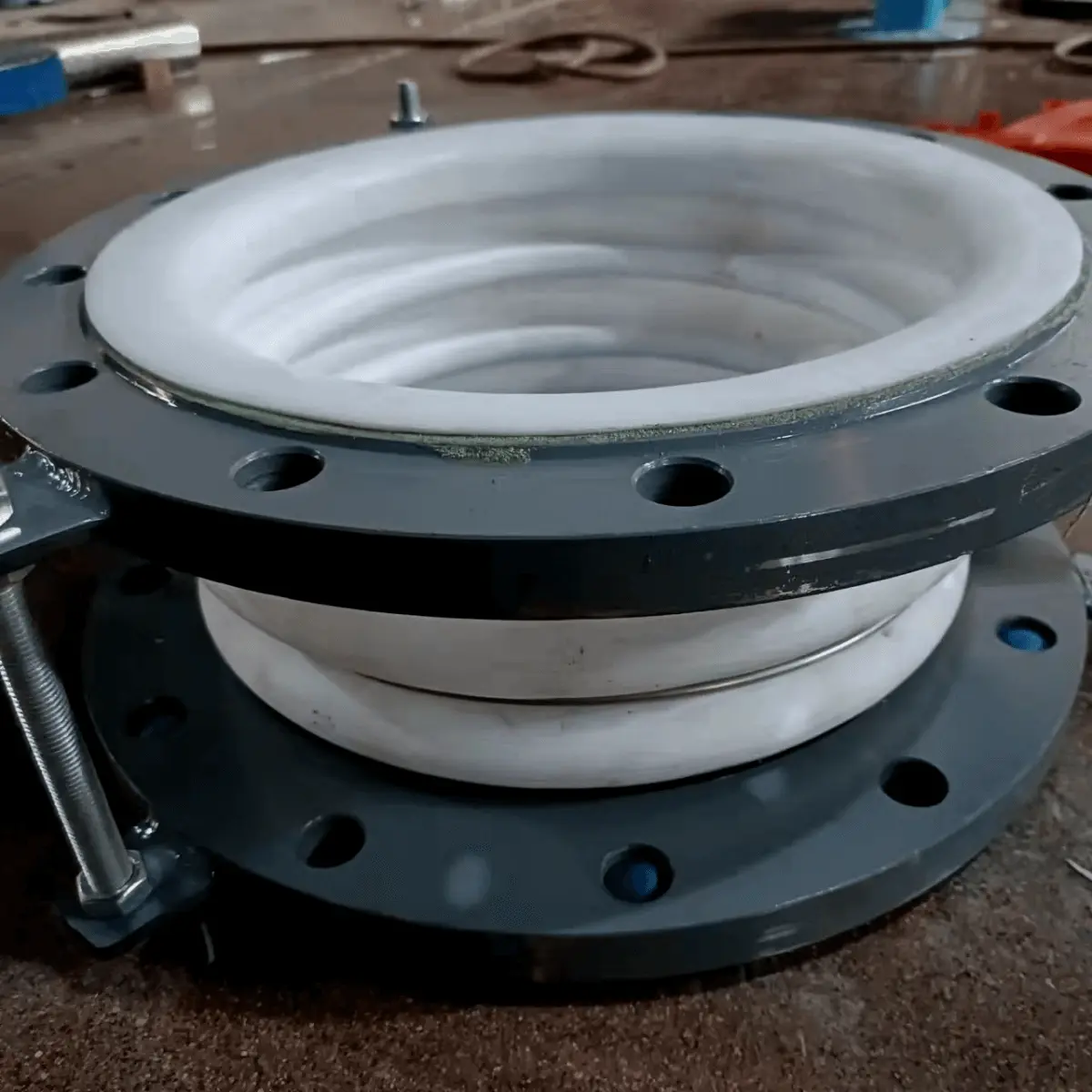
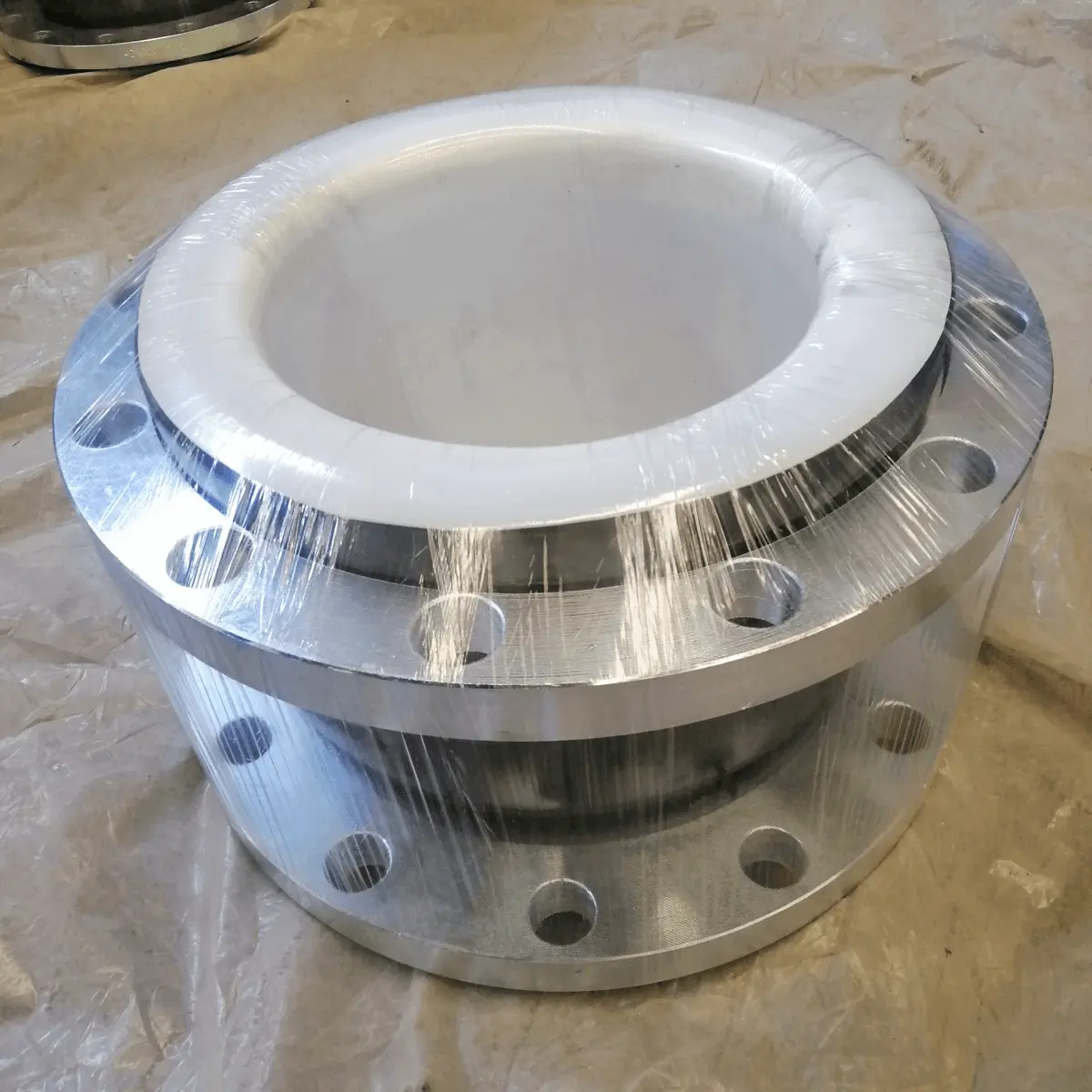
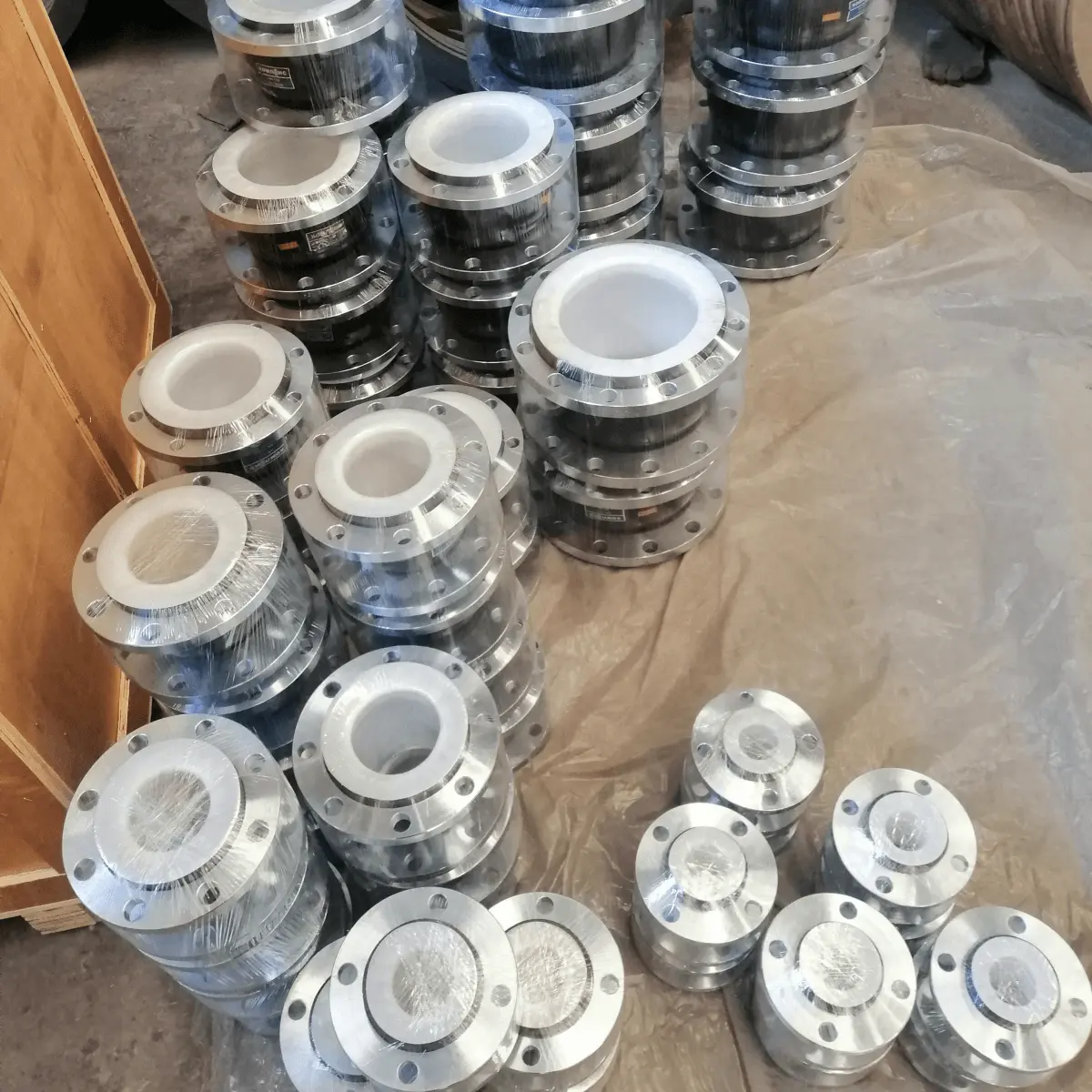
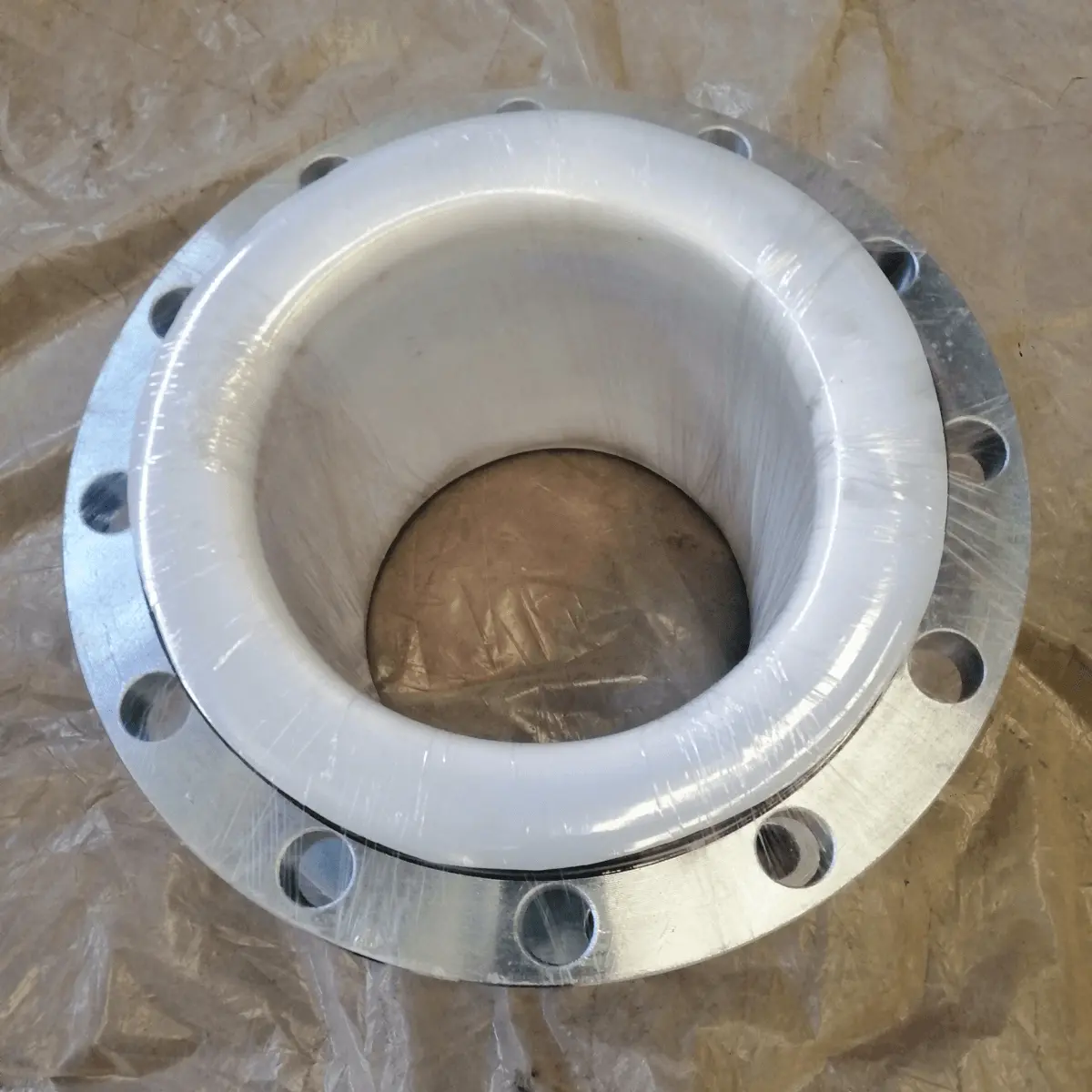
PTFE expansion joints, also known as compensators or bellows, are flexible connecting components specifically engineered for pipeline systems handling corrosive media. Their primary function is to compensate for axial, lateral, and angular displacements caused by thermal expansion and contraction, vibration, or installation errors. Simultaneously, they effectively reduce stress concentration, minimize leakage risks, and absorb vibration and noise.
Excellent Corrosion Resistance: The PTFE material is resistant to nearly all strong acids, bases, and organic solvents, making it an ideal choice for conveying corrosive media.
Broad Temperature Adaptability: Standard operating range is -50°C to +150°C. Special designs can extend from -196°C up to +250°C. Conditions above 150°C require technical confirmation.
Good Pressure Resistance: Nominal pressure typically covers -0.01MPa to 2.5MPa. Reinforced designs like medium-pressure braided types can withstand even higher pressures.
Lightweight & High Flexibility: Products are easy to install and enable multi-directional displacement compensation.
Main Categories of PTFE Expansion Joints
Pure PTFE Expansion Joint: Entirely made from PTFE, suitable for low-pressure pipelines requiring high chemical purity.
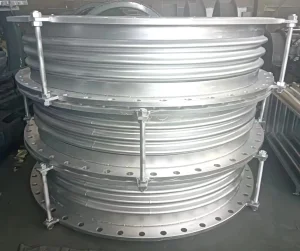
Steel-Lined PTFE Expansion Joint: Metallic bellows outer shell (e.g., stainless steel) for load-bearing, internally lined with PTFE. Combines metal strength with corrosion resistance.
Medium-Pressure Braided PTFE Expansion Joint: Reinforced with stainless steel wire braid to enhance mechanical strength and pressure resistance.
PTFE expansion joints are essential in sectors requiring corrosive media transport and thermal displacement compensation, including:
Chemical, Petrochemical, Coal Chemical, Metallurgy, Power Plants, Pharmaceutical (GMP compliant), Dye, Fertilizer, Food, Environmental Protection, and Chlor-Alkali industries.
Installation and Usage Precautions
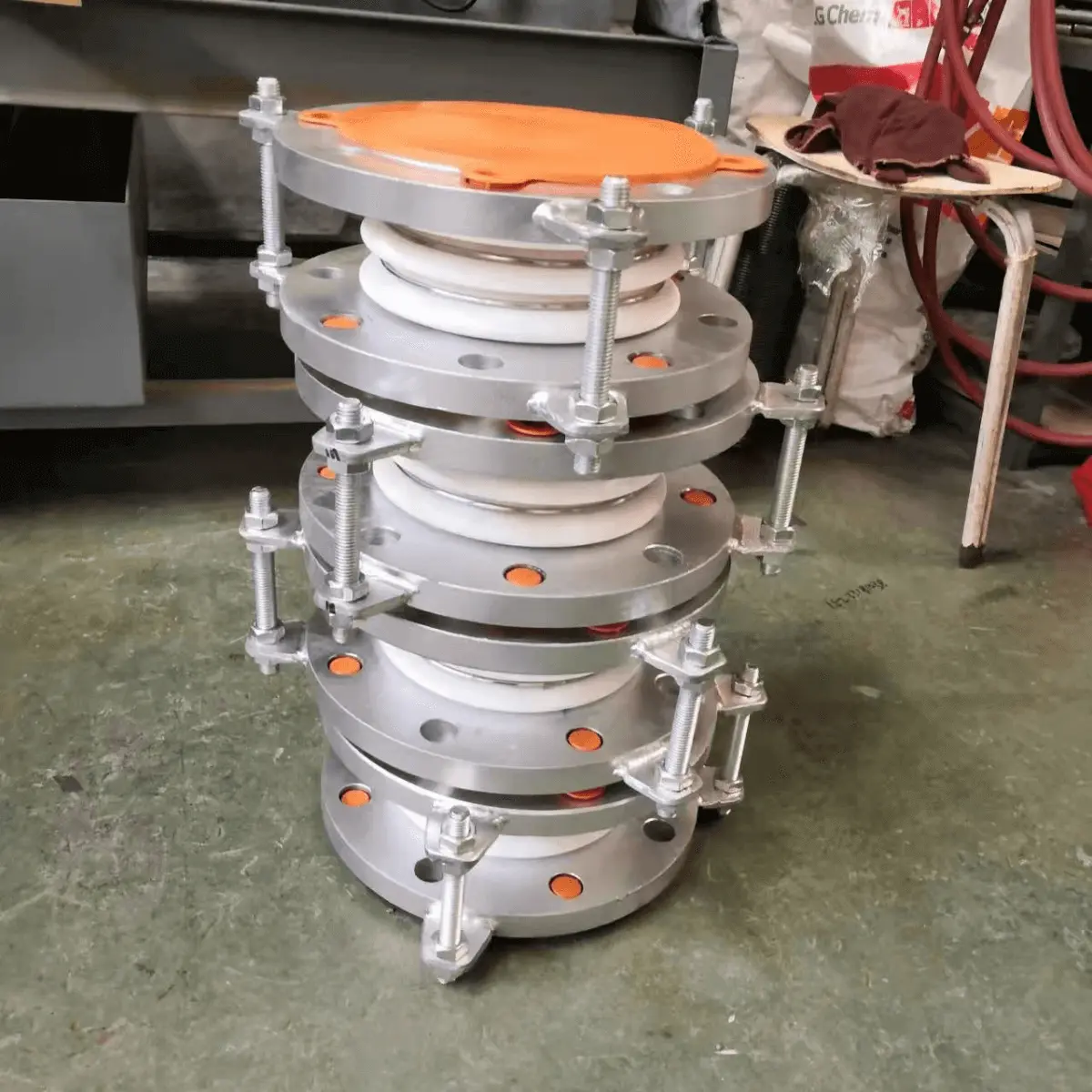
To ensure long-term stability, it is necessary to install appropriate guides and anchors to prevent mechanical damage. Selection should be based on medium corrosiveness, operating temperature, pressure, and required compensation capacity.
Frequently Asked Questions
Q1: What is the maximum temperature a PTFE expansion joint can handle?A: While the standard range is -50°C to +150°C, specialized designs can accommodate temperatures from -196°C up to +250°C depending on technical requirements.
Q2: Are these joints suitable for vacuum applications?A: Yes, they support a nominal pressure range starting from -0.01MPa, making them suitable for certain negative pressure conditions.
Q3: Which chemicals is PTFE resistant to?A: PTFE material is resistant to nearly all strong acids, bases, organic solvents, and highly corrosive media.
Q4: Why use a Steel-Lined PTFE joint instead of pure PTFE?A: Steel-lined joints combine the mechanical strength of a metal bellows shell with the chemical resistance of a PTFE liner, allowing for higher load-bearing capacity.
Q5: What are the benefits of the braided reinforcement?A: The stainless steel braid increases mechanical strength, allowing the expansion joint to withstand higher operating pressures and organic solvents.
Q6: What precautions are necessary during installation?A: It is critical to use proper guides and anchors to prevent mechanical damage and ensure the joint operates within its intended compensation limits.
 HESPER