Home >
Expansion Joints >
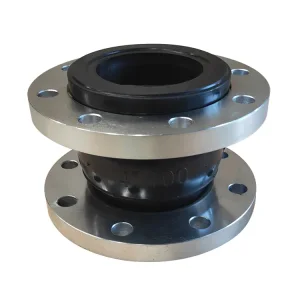
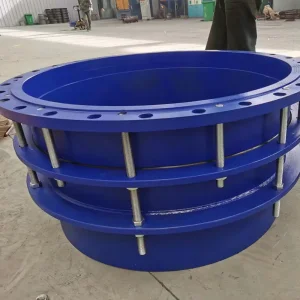
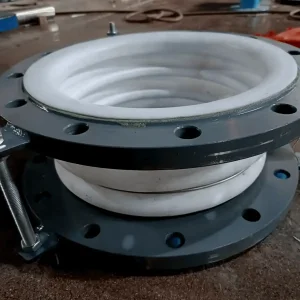
Discount Hesper Steel Dismantling Joint for Pipe Connection Manufacturers, Supplier
1 / 5
Discount Hesper Steel Dismantling Joint for Pipe Connection Manufacturers, Supplier
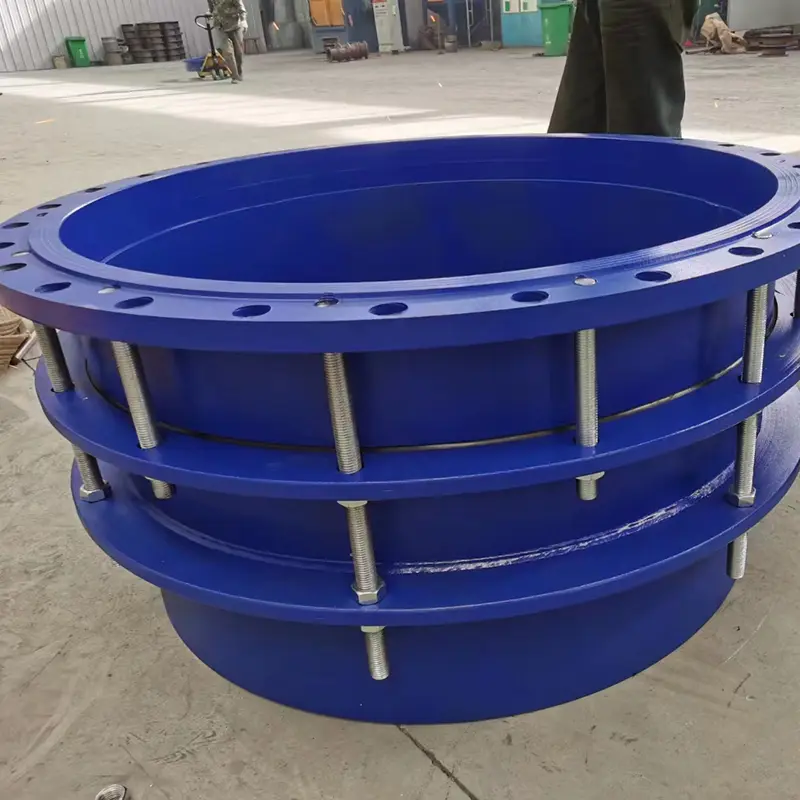
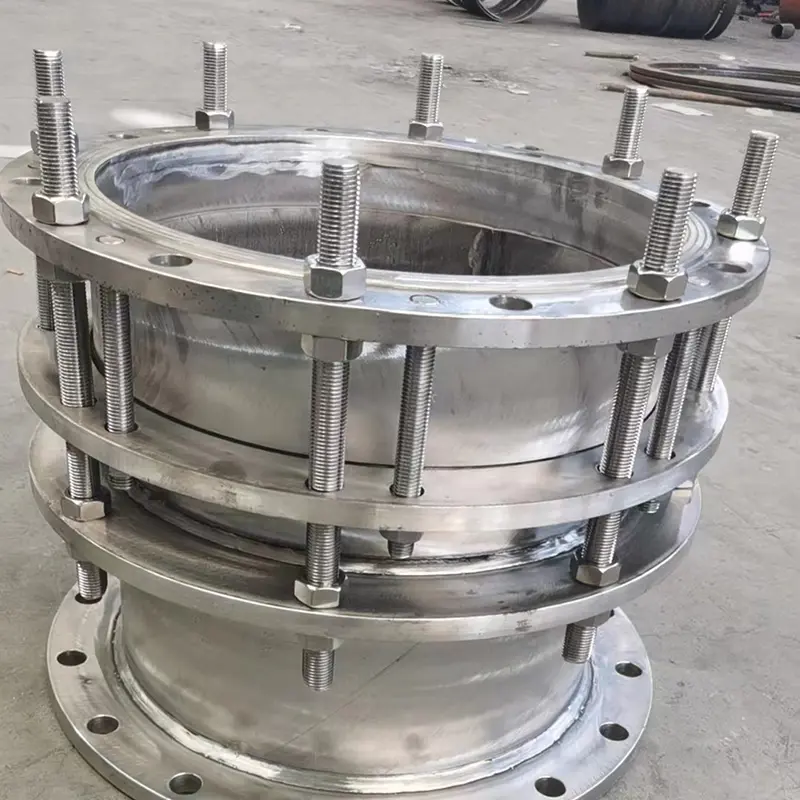
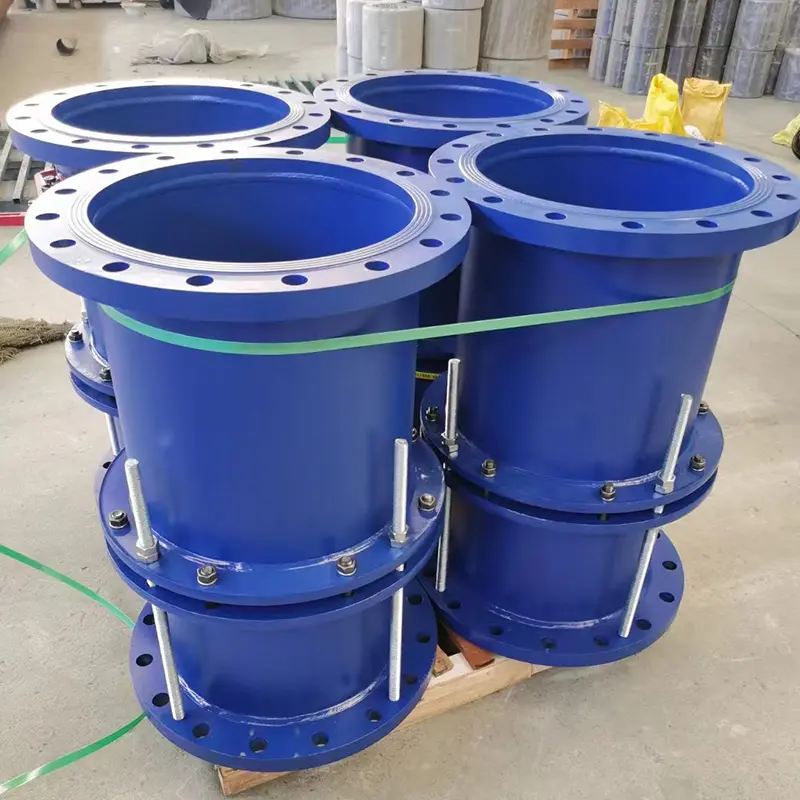
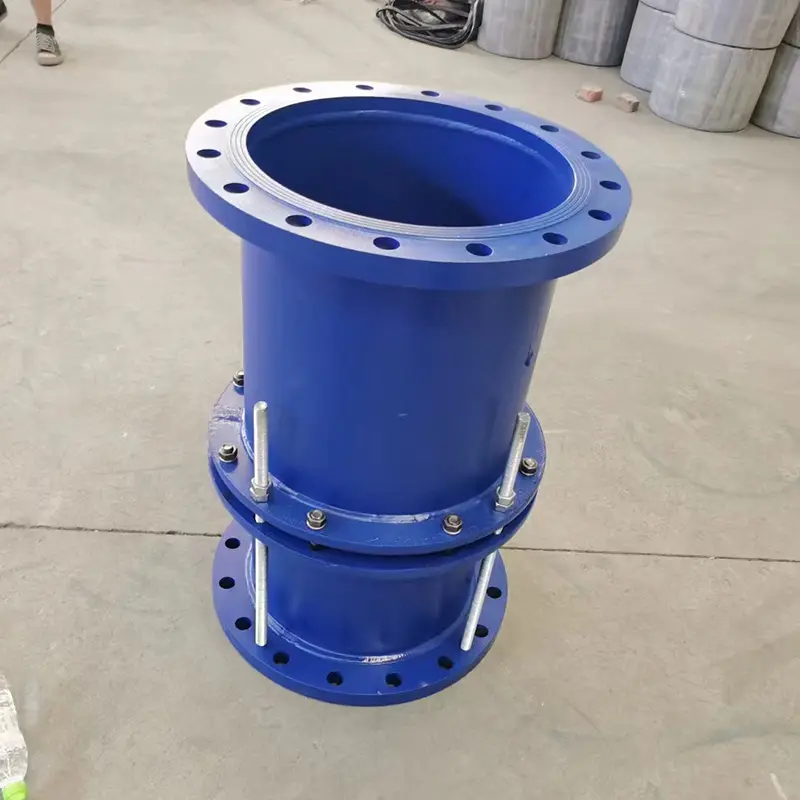
Dismantling joint is a kind of expansion joint, is an important pipe connection component with simple structure, wide application and obvious advantages. It is widely used in various industries and plays an important role in ensuring the safety and stability of pipelines.
A dismantling joint is a type of expansion joint and serves as an important pipe connection component characterized by its simple structure, wide application range, and significant operational advantages. It is extensively utilized across various industries, playing a vital role in ensuring the overall safety and structural stability of pipeline systems.
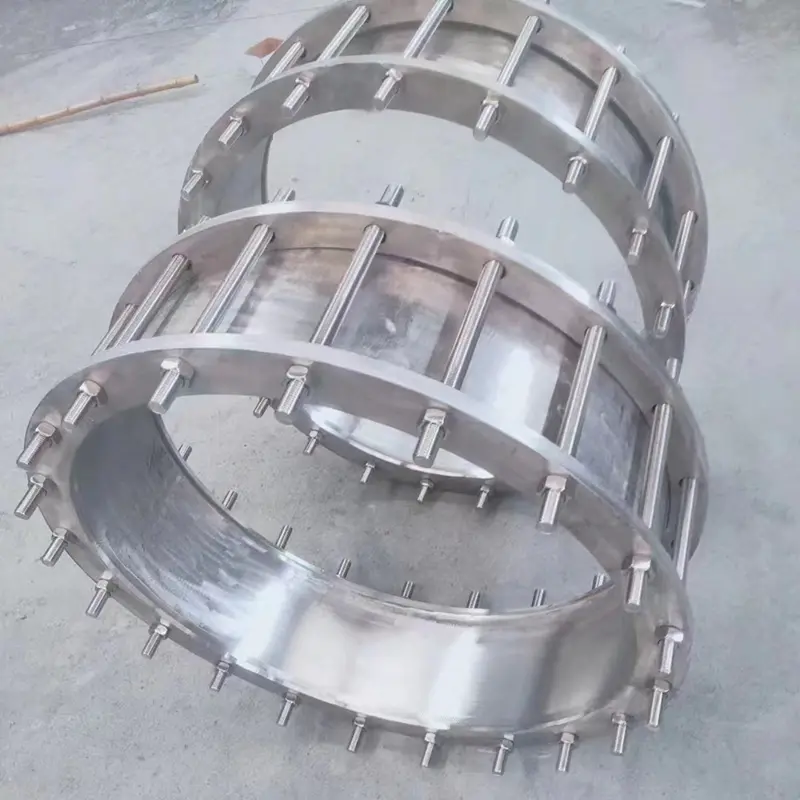
The dismantling joint primarily consists of three core parts: the joint body, the expansion sleeve, and the fasteners. The joint body acts as the central component, providing interfaces for both the pipe connection and the expansion sleeve. The expansion sleeve, typically crafted from high-grade metal materials, is designed to handle pressure resistance and specific expansion needs. Fasteners, such as standard bolts and nuts, are used to securely fix and adjust the positioning of the telescopic sleeve.
Available Dismantling Joint Types:
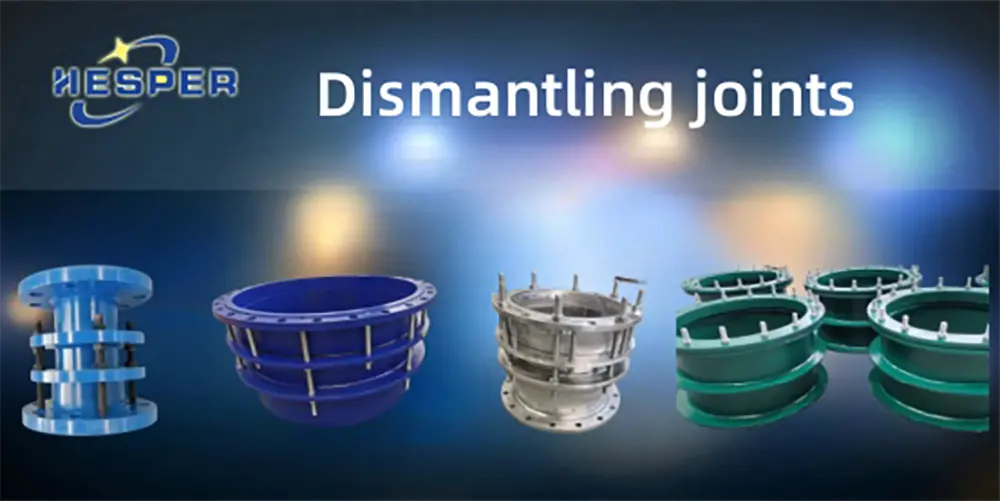
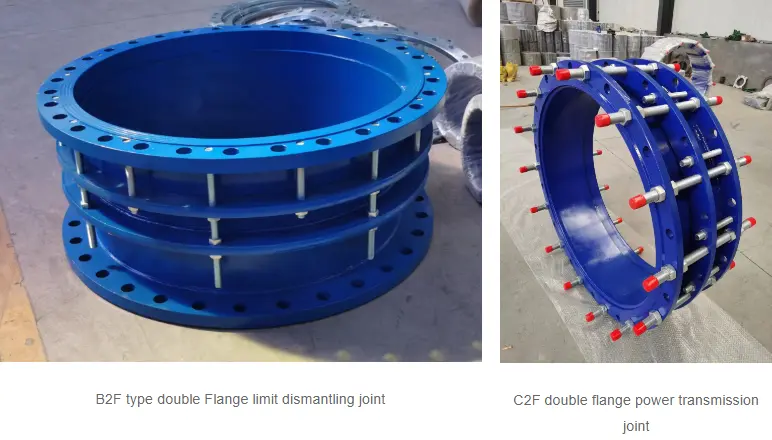
AY Gland TypeAF Flange Type Loose SleeveBF Single Flange LimitB2F Double Flange LimitBY Gland Loose Sleeve LimitCF Single Flange Power TransmissionC2F Double Flange Power Transmission
Industrial Applications
The primary function of a dismantling joint is to compensate for displacement, absorb vibration, and reduce noise within pipeline connections, significantly improving long-term performance.
Water Conservancy
Essential for compensating displacement and vibration, ensuring superior sealing and stability in water transport systems.
Chemical Industry
Designed to withstand harsh environments, including high temperatures, high pressure, and corrosive media.
Power Industry
Used to absorb frequent displacement and vibration in power plant pipe systems, enhancing system reliability.
Metallurgical Industry
Provides robust protection for pipelines transporting high-temperature and highly corrosive materials.
Construction Industry
Improves the service life and sealing of water supply and drainage pipes by absorbing structural movements.
Frequently Asked Questions
What is the primary purpose of a dismantling joint?
It is used to facilitate easy installation and removal of valves and other equipment within a pipeline, while compensating for axial displacement and absorbing vibrations.
What are the three main components of these joints?
The assembly consists of the main joint body, an expansion sleeve for flexibility, and fasteners (bolts/nuts) for secure positioning and adjustment.
Can dismantling joints handle corrosive environments?
Yes, they are widely used in the chemical and metallurgical industries because they can be manufactured to withstand high temperatures and highly corrosive media.
How do dismantling joints improve pipeline safety?
By absorbing vibration and reducing noise, they prevent stress buildup in the pipe network, which reduces the risk of leaks and structural failure.
What is the difference between a single flange and double flange limit joint?
Single flange limit joints (BF) are used for connections where only one side is flanged, while double flange limit joints (B2F) provide secured connections between two flanged components with adjustable travel.
Are these joints suitable for high-pressure applications?
Yes, specifically designed types like the CF and C2F power transmission joints are engineered to handle high-pressure media in industrial settings.
 HESPER