 HESPER
HESPER
HESPER
Established in 1987, Shandong Hesper has spent over three decades perfecting the art of industrial sealing and piping connection technology. As a cornerstone of Chinese industrial manufacturing, we integrate R&D, advanced production, and global logistics to serve emerging markets like Myanmar with unmatched precision.
Our commitment to the Myanmar market is rooted in providing E-E-A-T compliant solutions: Experience in large-scale projects, Expertise in material science, Authoritativeness in international standards, and Reliability in long-term performance.
Myanmar’s industrial landscape is undergoing a significant transformation. As the nation focuses on the "Myanmar Sustainable Development Plan (MSDP)," sectors like Energy, Cement Manufacturing, and Urban Infrastructure are seeing unprecedented growth. However, Myanmar's tropical climate—characterized by high humidity and significant temperature fluctuations—presents unique challenges for piping systems.
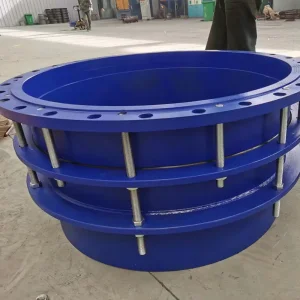
From the Thilawa Special Economic Zone to the industrial hubs of Mandalay, Myanmar requires robust thermal expansion solutions. Our expansion joints are specifically designed to withstand seismic activities and thermal shifts common in Southeast Asian geological conditions.
Global procurement teams are shifting toward manufacturers who offer "Information Gain"—not just products, but data-driven technical support. Hesper provides full FEA (Finite Element Analysis) reports for all Myanmar-bound shipments.
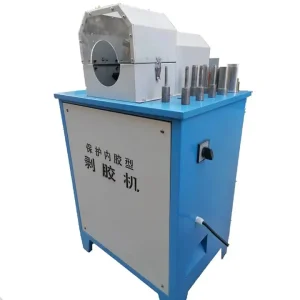
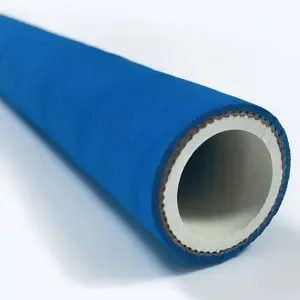
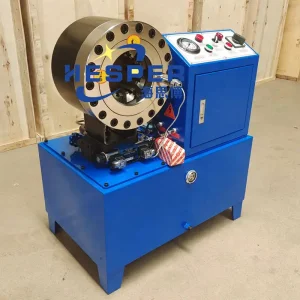
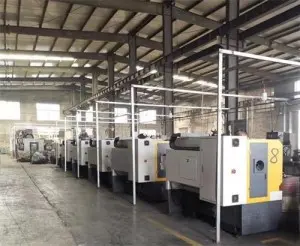
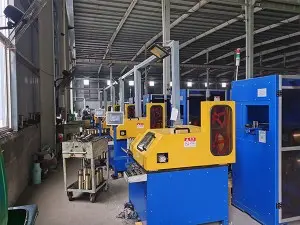
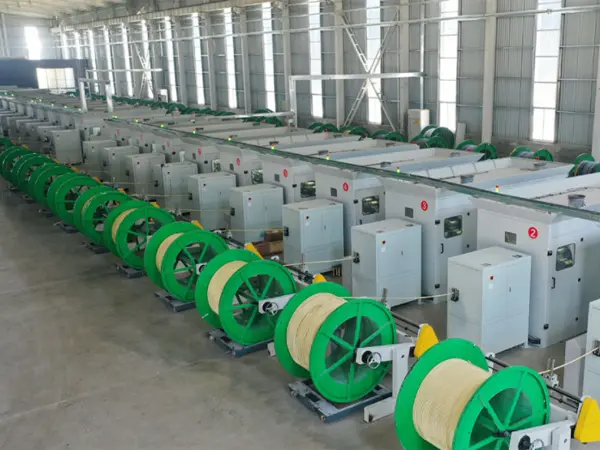
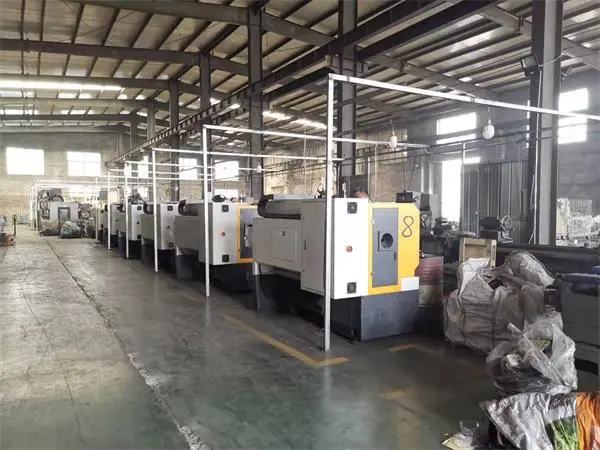
Equipped with high-speed fiber braid machines, steel wire spiral production lines, and high-pressure burst test machines.
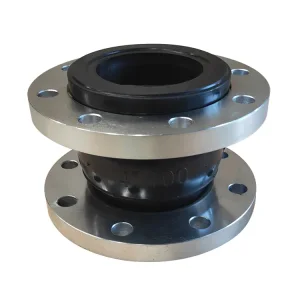
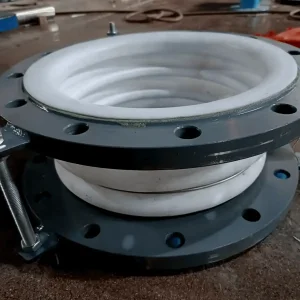
Get a Custom QuoteMyanmar's reliance on hydro-energy requires large-diameter rubber expansion joints to handle the vibration and pressure surges in turbine inlets. Our joints ensure zero-leakage performance under extreme hydraulic pressure.
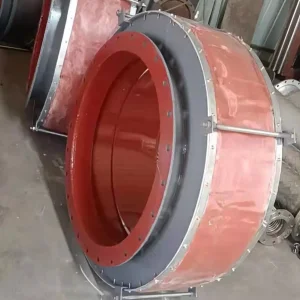
Dust and high-temperature flue gases are common. Our multi-layer fabric expansion joints are engineered to withstand abrasive clinker dust and temperatures exceeding 400°C.
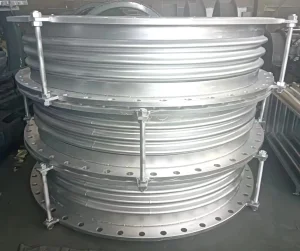
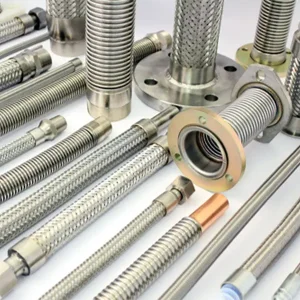
Corrosive crude oil and varying ground temperatures necessitate high-grade stainless steel metallic bellows (AISI 316/321) that provide flexibility while maintaining structural integrity.
The global expansion joint industry is moving toward Smart Monitoring and Composite Sustainability. At Hesper, we are at the forefront of this shift, integrating IoT sensors into large-scale bellows to predict failure before it occurs—a critical feature for Myanmar's remote industrial sites where maintenance access is limited.
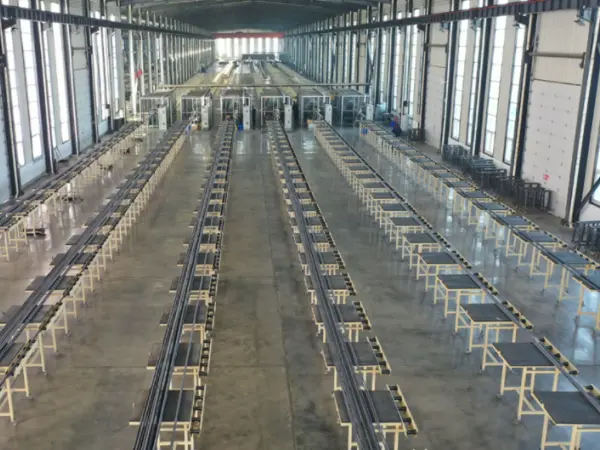
Why do Myanmar firms choose Shandong Hesper? It comes down to Supply Chain Efficiency. Our proximity to raw material sources and our integrated manufacturing process allows us to offer 30% faster turnaround times than European competitors, without compromising on ISO 9001:2015 quality standards.