 HESPER
HESPER
HESPER
High-reliability industrial hoses designed to survive the severe offshore environments and mining sectors of Equatorial Guinea.
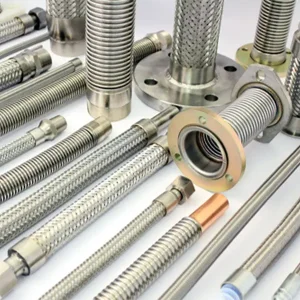
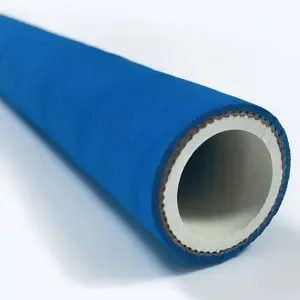
Equatorial Guinea, situated along the Gulf of Guinea, stands as one of Central Africa's key hydrocarbon hubs. With principal economic drivers centered around the offshore extraction fields near Bioko Island (Malabo) and the mainland coastal hub (Bata), the nation's industrial framework requires fluid transmission technologies capable of surviving some of the most aggressive marine conditions on earth. High humidity, constant atmospheric salinity (with values hovering around 34-35 PSU), and elevated ambient seawater temperatures dictate that pipeline connections exhibit superior anti-corrosive and high-fatigue life profiles.
The production complexes of Punta Europa on Bioko Island, which process natural gas into LNG, LPG, and methanol, run continuous, high-volume operations. In these setups, standard elastomer hoses are highly prone to degradation due to thermal aging and chemical attack. Our specialized corrugated stainless steel flexible metal hoses provide the mechanical properties necessary to accommodate thermal growth, eliminate pipeline stress, and suppress vibration from high-capacity gas compressors. As Equatorial Guinea implements its national industrial modernization policies (Horizon 2035), expanding into local refineries, water management projects, and cement manufacturing, importing robust fluid systems is crucial to securing supply chain resilience.
The global flexible metal hose industry has evolved from general-purpose utility piping to highly engineered critical-safety components. Modern piping networks must comply with stringent international standards such as ISO 10380:2012, which defines the design, manufacture, and testing of corrugated metal hoses. This standard dictates that a high-quality hose must sustain at least 50,000 bending cycles (fatigue test) under full working pressure without physical deformation or micro-fractures.
Globally, the push for cleaner energy has catalyzed the deployment of cryogenic metal hoses for liquid hydrogen and LNG bunkering. These environments demand low-temperature tolerance (down to -196°C) while maintaining structural flexibility. Stainless steel alloys like AISI 321 (stabilized with Titanium) and AISI 316L (low carbon with high Molybdenum content) are the global standards. They prevent intergranular corrosion caused by sensitization during welding. By weaving high-density wire braids (single or double layers of 304/316 stainless steel) over the corrugated core, manufacturers can balance flexible movement with superior pressure-retaining capability.
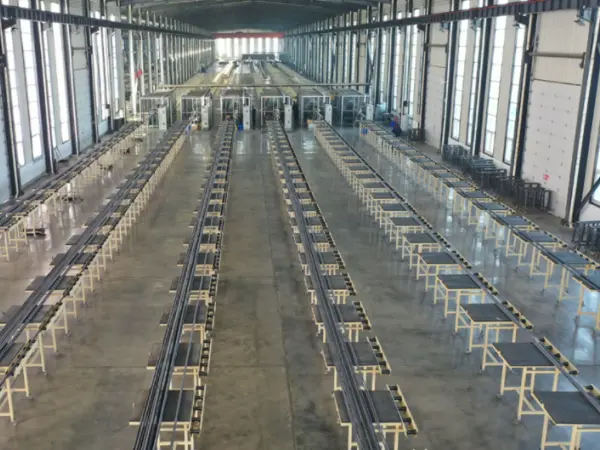
As an established industrial manufacturer in China, Shandong Hesper Rubber Plastic Co., Ltd. has refined its engineering and supply chain operations since 1987. With over 30 years of manufacturing heritage, we integrate product design, physical-chemical R&D, heavy-duty fabrication, and rigorous quality testing inside a unified production ecosystem.
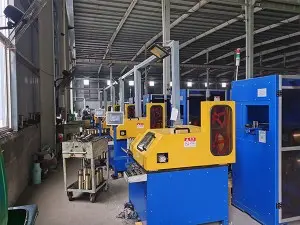
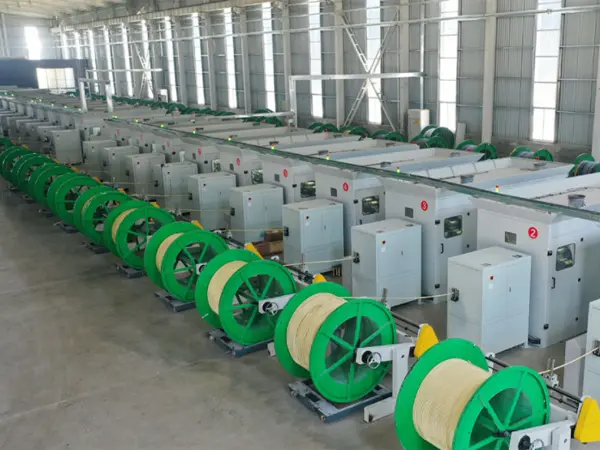
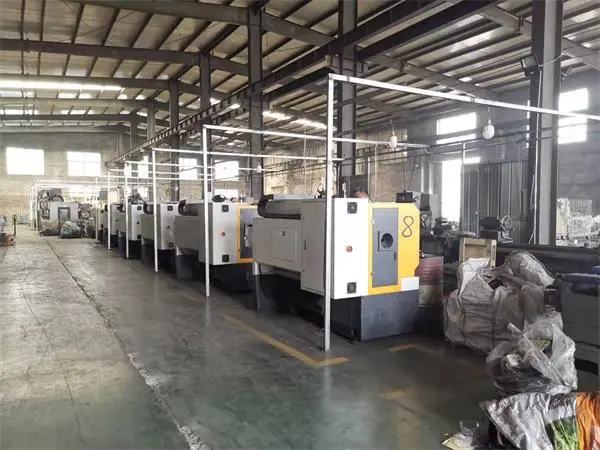
Our factory operates advanced manufacturing machinery: high-speed fiber braiding lines, high-density stainless steel wire braiding equipment, automated CNC corrugated bellows hydroforming lines, and specialized silicone extrusion lines.
Our testing facilities include high-precision digital hydraulic pressure testers and destructive burst testing equipment. Testing our products beyond their rated limits guarantees they can survive real-world surges in deep-water offshore drilling operations.
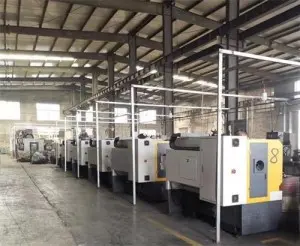
China's manufacturing efficiency lies in raw material sourcing and vertical integration. Shandong Hesper sources raw stainless steel strip coils from premier state-owned mills, guaranteeing metallurgical purity. By optimizing continuous automated welding and automated corrugation forming, we offer a significant cost and lead-time advantage. This allows West African procurement managers to receive custom-engineered products faster and at a lower cost than European alternatives.
To ensure pipeline reliability, our industrial hoses are engineered to address specific application challenges in Equatorial Guinea:
On offshore platforms and FPSOs in the Zafiro and Alen fields, our stainless steel flexible hoses serve as cooling lines, instrument lines, and high-pressure chemical injection lines. They handle structural shifts and resist salt spray corrosion.
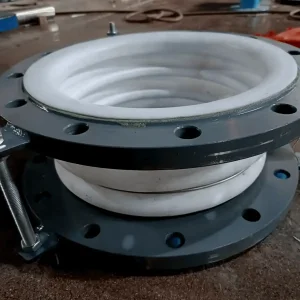
For chemical loading at the Punta Europa terminal, our PTFE expansion joints and custom PTFE-lined metal hoses handle highly corrosive acids, bases, and organic solvents. This design prevents leakages and chemical cross-contamination.
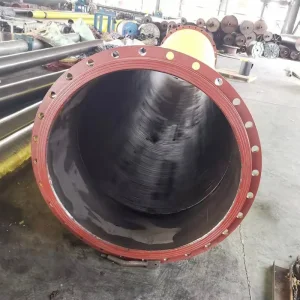
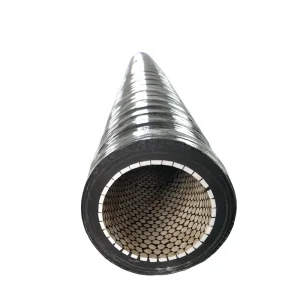
At the ports of Malabo and Bata, our large-diameter dredging hoses handle the heavy abrasive wear of transferring mud and sand during maritime channel maintenance and port expansion projects.
Standard catalog configurations rarely satisfy the complex piping arrangements found on modern offshore vessels or petrochemical plants. Shandong Hesper offers complete OEM and ODM customization services. We tailor every aspect of our hoses, including diameter, corrugated profile (annular for general high-pressure flexibility or helical for easier self-cleaning and drainage), braiding density, and end connections (ANSI/ASME flanges, DIN/EN, JIS, BSPT, NPT, and Hammer Unions).
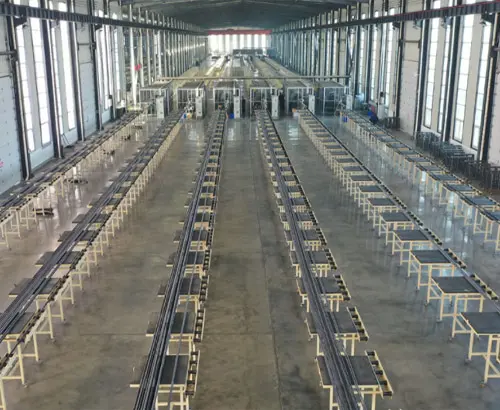
Our engineering team calculates product parameters using design models that account for working pressures, temperatures, bend radius constraints, dynamic movements, and flow velocity limits.
To protect hoses from mechanical scraping against deck bulkheads or rough terrain, we offer external wire protective springs, spiral heat guards, and glass fiber fire sleeves.
With more than 15 years of foreign trade experience, we manage all international shipping logistics. We arrange transport to Equatorial Guinea via major ocean freight routes from Qingdao Port to Malabo Port or Bata Port. We handle export documentation, customs clearance, and secure sea-freight packing to prevent moisture contamination during transit.
Industrial-grade hoses, coupling systems, and processing machinery engineered for demanding applications in Equatorial Guinea.
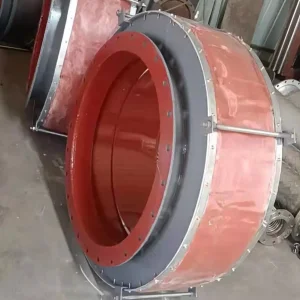
Professional engineering answers to common problems encountered when selecting and applying flexible metal connections in coastal and maritime environments.
For offshore installations in the Gulf of Guinea (Malabo/Bata), we recommend AISI 316L or AISI 321. AISI 316L features a minimum of 2% Molybdenum, which increases resistance to pitting and crevice corrosion caused by saltwater exposure. AISI 321 is stabilized with titanium, making it ideal for higher temperature areas like generator exhaust systems by preventing carbide precipitation.
High-frequency, low-amplitude vibrations from equipment like compressors can lead to metal fatigue. Corrugations help absorb these movements, but proper installation is critical. To avoid torsional stress, hoses must be aligned properly and not twisted during installation. Adding an external stainless steel wire braid helps dampen vibrations and prevents longitudinal expansion under pressure.
As operating temperatures increase, the tensile strength of the stainless steel decreases, which reduces the maximum safe working pressure. At 20°C, a hose can operate at 100% of its rated working pressure. At 200°C, the pressure rating must be derated by approximately 15% to 20% depending on the specific alloy. This factor is crucial when designing steam loops or thermal oil transfer systems.
In applications involving highly concentrated acids (like sulfuric or hydrochloric acid) or alkaline mixtures, even high-grade stainless steels can corrode quickly. PTFE offers excellent chemical inertness across almost all industrial media. However, PTFE joints operate at lower maximum temperatures and pressures than stainless steel bellows.
Every metal hose assembly manufactured at our Shandong factory undergoes hydrostatic pressure testing at 1.5 times the maximum design pressure. For critical gas and hydrocarbon applications, we offer nitrogen bubble testing and helium mass spectrometer leak detection. This guarantees that all welded joints are completely leak-proof before leaving the factory.
To select the right hose, engineers use the acronym S.T.A.M.P.E.D.: Size (ID/OD), Temperature (minimum and maximum operating temperatures), Application (motion and environment), Media (fluid compatibility), Pressure (working, test, and surge pressures), End fittings (flanges, NPT, Camlocks), and Delivery requirements.
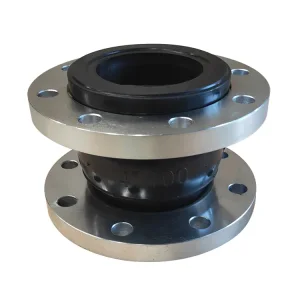
Work with Shandong Hesper to source custom-engineered flexible metal hoses, rubber pipeline bellows, and high-performance expansion joints. Get factory-direct pricing, certified QA, and efficient shipping to West Africa.
Contact Our Engineering Team