 HESPER
HESPER
HESPER
In modern industrial operations, fluid dynamics dictates the efficiency of energy transfer and storage. The global demand for gasoline fuel hoses is driven by expanding automotive, agricultural, marine, and construction machinery sectors. Industrial fuel delivery systems require extremely robust materials to withstand high pressure, chemical permeability, thermal cycling, and physical abrasion. As hydrocarbon fuel compositions evolve to include biofuels and oxygenated compounds like ethanol, the physical integrity of the hose core is paramount.
For international sourcing managers, obtaining fuel lines that comply with international standards such as SAE J30, ISO 3821, and DIN 73379 is a major operational target. Balancing this requirement with commercial feasibility leads global businesses directly to Chinese manufacturing clusters, where cost efficiency merges with advanced material science. The definition of a "discount" supplier in the contemporary Chinese manufacturing context has shifted away from cheap materials toward systemic optimization, vertical integration, and robotic automation.
Highly resistant inner NBR compounds limit the permeation of aggressive volatile organic compounds (VOCs) and withstand fuel blends containing up to 85% ethanol.
Custom hydraulic setups, high-burst-pressure braided lines, and specialized fittings ensure leak-free transfers in aggressive working environments.
Environmental stability prevents outer cover cracking from intensive UV exposure, ozone interaction, and high moisture levels.
Established in 1987, our factory has a heritage of over three decades of professional rubber and plastic product manufacturing. By integrating R&D, structural engineering, precision manufacturing, and direct sales under one brand, Hesper has established itself as an industry leader in Shandong, China.
Our core mission revolves around technological innovation in material compounding and precision braiding processes. Standard fuel hoses can fail prematurely under modern fuel formulations, but Hesper designs multilayered composite solutions that maintain flexibility down to -40°C and heat resistance up to +125°C.
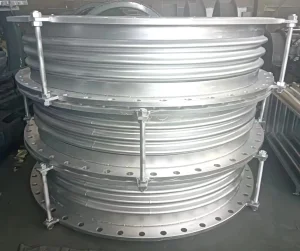
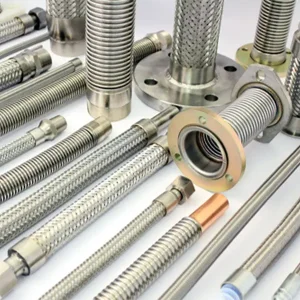
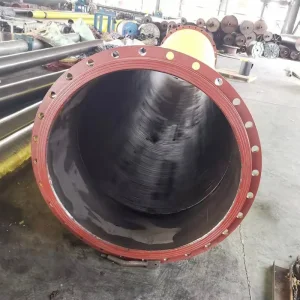
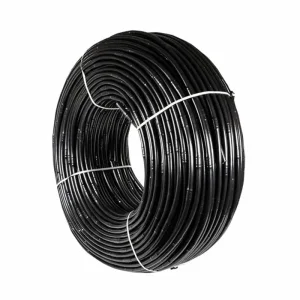
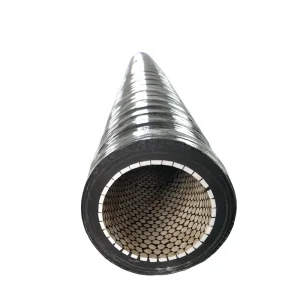
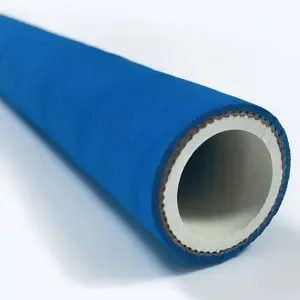
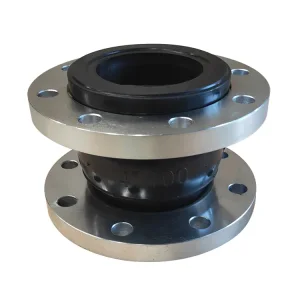
Our active product catalog is broad, ranging from high-performance industrial fuel hoses and hydraulic hoses to large-diameter marine suction/discharge systems, food-grade transfer solutions, flexible metal corrugated hoses, and ceramic-lined wear-resistant hoses.
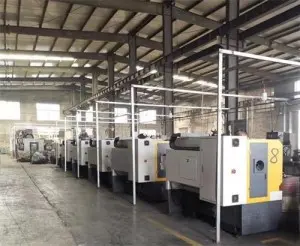
Why do China-based fuel hose factories consistently deliver high cost performance compared to Western equivalents? The secret lies not in compromising materials, but in optimizing manufacturing efficiency.
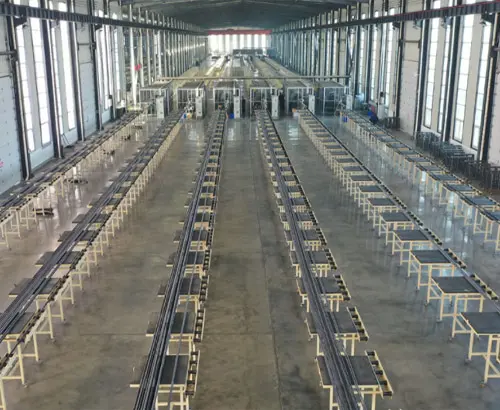
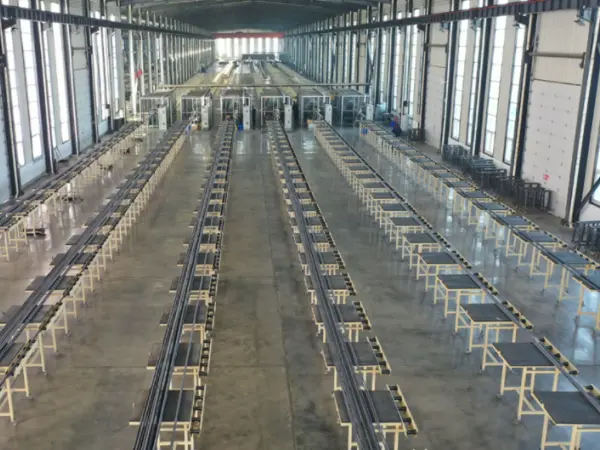
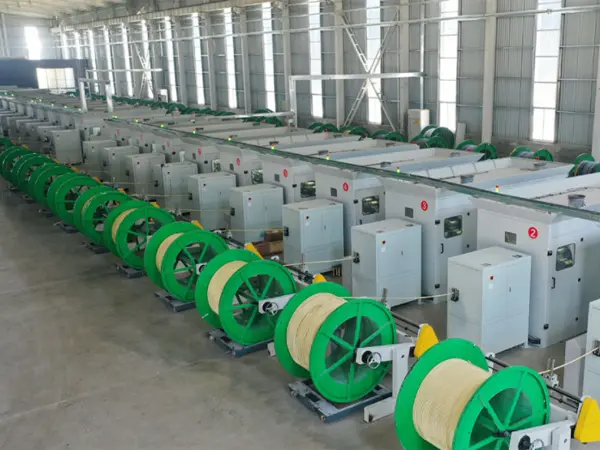
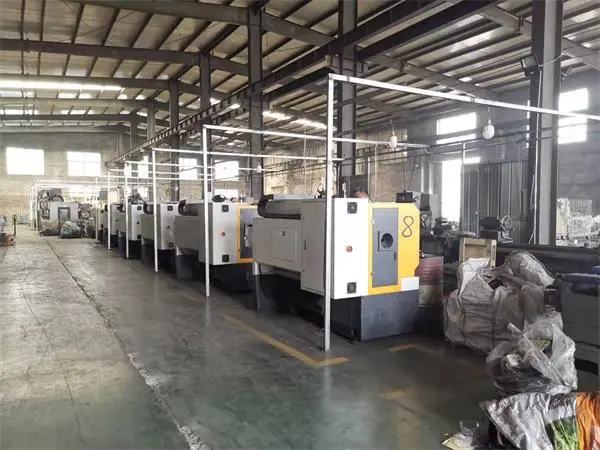
Shandong Hesper Rubber Plastic Co., Ltd. operates state-of-the-art production lines equipped with:
For purchasing officers and OEM engineering groups, local compatibility is the standard. Different applications require specific polymer compounds:
Formulated from premium Neoprene, Chloroprene, or NBR/PVC blends to withstand environmental challenges like hot engine bays, ozone, and external oil spills.
Spiraled or braided high-tensile polyester, nylon, or steel wire layers prevent expansion and control elongation under dynamic pressures.
Engineered with highly refined NBR (Nitrile Butadiene Rubber) to resist swelling, degradation, and fuel permeation.
Recognizing that no two fluid systems are identical, Hesper provides extensive customization options. Customers can choose custom inner/outer diameters, unique branding print layouts, specialized packaging configurations, and specific chemical resistance parameters. We also offer pre-assembled solutions complete with crimped-on steel, brass, or aluminum end fittings, streamlining final assembly lines for our customers.
The shift toward reduced vehicle emissions and environmental protection has reshaped the technical requirements for fuel delivery lines. Low-permeation fuel hoses are increasingly required by EPA and CARB standards in North America, as well as Euro emission regulations in Europe. These regulations restrict the amount of fuel vapor that can escape through the hose wall over 24 hours.
To meet these specifications, manufacturers are incorporating thin barrier layers of fluoropolymers, such as FKM (Fluorocarbon Elastomers) or THV, inside the standard NBR core. While this structure increases material costs, Shandong Hesper utilizes dual-extrusion technology to keep these high-performance options cost-effective.
Furthermore, the growth of renewable fuels like ethanol-blended gasolines (E10, E15, E85) and biodiesel requires fuel line materials that are highly resistant to polar solvent degradation. Nitrile rubbers with high acrylonitrile (ACN) content must be carefully compounded to prevent drying, cracking, and elastomer degradation, which can lead to clogged fuel injectors and system failures.