HESPER HESPER

Discount ODM Helical Metal Hose Manufacturers & Supplier

Pioneering High-Precision Flexible Metal Conduits, Custom Bellows Expansion Joints, and Multi-Industry Fluid Transmission Solutions since 1987.

30+
Years Industry Experience
50+
Exporting Countries
100%
Quality Testing & OEM/ODM
ISO
9001:2015 Registered
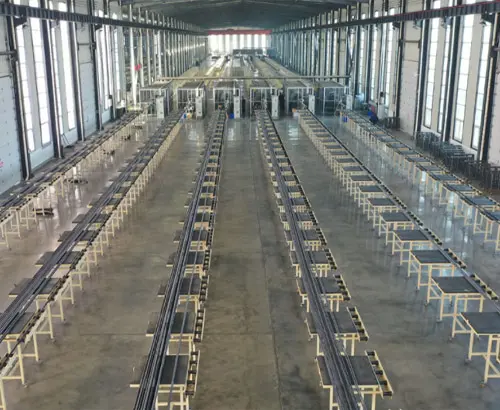
Shandong Hesper Rubber Plastic Co., Ltd. Manufacturing Facilities

Shandong Hesper Rubber Plastic Co., Ltd.

Established in 1987, Shandong Hesper Rubber Plastic Co., Ltd. represents over three decades of manufacturing excellence in the design, engineering, and supply of high-grade industrial fluid handling infrastructure. We stand at the forefront of the rubber, plastic, and metal corrugated hose industry as a specialized manufacturer, exporter, and trusted ODM/OEM partner.

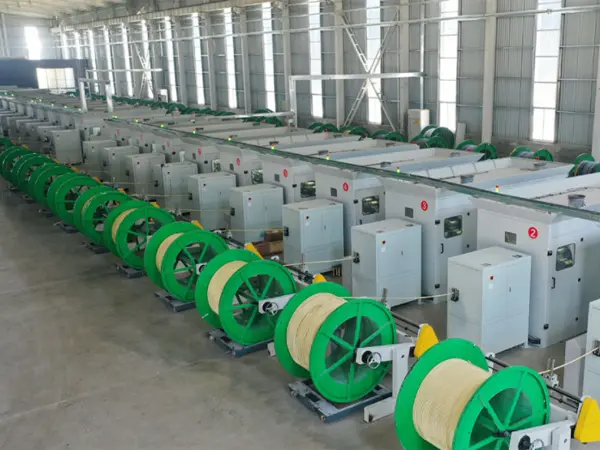
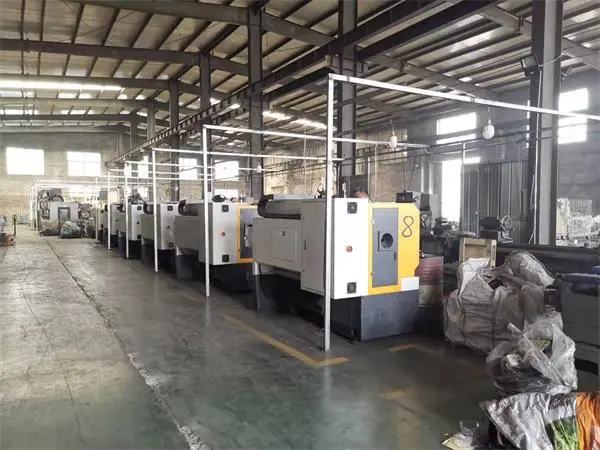
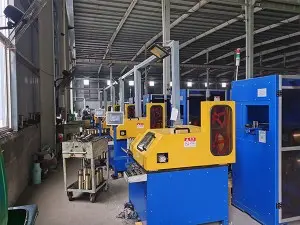
Key Manufacturing Strength: Our expansive facility leverages advanced technological integration, featuring high-speed fiber braiding lines, precision high-speed steel wire braiding equipment, steel wire spiral production lines, silicone vulcanization channels, and state-of-the-art hydrostatic pressure & burst test machines.

By blending robust materials science with rigorous structural testing, we ensure that every helical metal hose, expansion joint, and custom-formed polymer profile exhibits optimal reliability under extreme working environments.

Whitepaper: Engineering Dynamics of Helical Metal Hoses

In high-pressure, cryogenic, and highly corrosive piping systems, industrial conduits must withstand severe dynamic stresses, thermal fluctuations, and mechanical movements. Standard elastomeric or plastic piping elements fall short in these harsh environments due to material degradation, permeation, and narrow thermal margins. This is where helical metal hoses excel as the premier choice for modern industrial piping design.

Understanding Helical Corrugation vs. Annular Corrugation

Metal hoses are classified by their corrugation profile. Annular corrugation consists of parallel independent rings, whereas helical corrugation features a continuous spiral profile wrapping along the longitudinal axis of the conduit. This helical geometry offers distinct physical advantages:

  • Self-Draining Characteristics: The continuous spiral path allows gravity-assisted draining when the hose is installed at a slight incline. This feature is crucial for chemical processing lines, prevent product stagnation and ease clean-in-place (CIP) actions.
  • Optimized Flow Dynamics: While annular bellows can generate significant turbulence and pressure drop, the helical groove aids in guiding the media flow, minimizing boundary layer separation and reducing turbulence-induced vibration.
  • Superior Torsional Flexibility: The helical configuration responds more favorably to slight torsional stresses compared to rigid annular configurations, providing better overall durability in dynamically active applications.

China's Supply Chain Edge in Metal Hose Manufacturing

For global procurement managers, balancing manufacturing precision with cost-effective sourcing is a major challenge. Sourcing helical metal hoses from specialized Chinese manufacturers like Shandong Hesper provides distinct competitive advantages:

  1. Upstream Material Integration: Our factories are located close to major raw material refineries, securing consistent, traceable grades of SUS304, SUS316L, and SUS321 stainless steels at low baseline costs.
  2. High-Throughput Automation: Investments in automatic continuous corrugation forming lines and high-speed steel wire braiding machines reduce manual labor errors, shorten production cycles, and improve dimensional accuracy.
  3. Optimized ODM Turnaround: Our dedicated R&D team can transform custom specifications (such as unique end-fittings, high-density wire braids, or double-wall jackets) into physical prototypes and production-ready components within days.

Meeting Global Procurement Requirements & Compliance

Procuring metal hoses on a global scale requires strict adherence to international safety and engineering standards. Industrial plants cannot afford plant shutdowns caused by premature component failure. That is why Shandong Hesper enforces a strict quality assurance system:

  • Hydrostatic Testing: Every custom helical metal hose assembly undergoes proof pressure testing at 1.5 times the maximum allowable working pressure (MAWP) to ensure weld integrity and prevent deformation.
  • Material Traceability: We supply Mill Test Certificates (MTC) for all stainless steel layers and braids, validating chemical composition and mechanical properties.
  • Custom Fitting Compatibility: We manufacture end-fittings in all major thread configurations, including NPT, BSPT, JIC, DIN, and ASME flanges, ensuring seamless integration into existing pipelines.

Application Profiles across Dynamic Industries

Helical metal hoses serve critical roles across diverse operating environments:

  • Petrochemical & Refining: Transferring highly volatile, corrosive chemicals and superheated steam under high pressures and extreme temperatures.
  • Steel Mills & Foundries: Conveying coolant to furnace doors and oxygen lances, where high heat and mechanical wear damage standard hoses.
  • Cryogenics & Gas Distribution: Handling liquid nitrogen, carbon dioxide, and liquefied natural gas (LNG) at temperatures down to -196°C without brittle failure.
  • HVAC & Power Generation: Acting as vibration absorbers installed at pump inlets and outlets to isolate compressor vibrations from the building piping.

Advanced Manufacturing Capabilities

Deploying state-of-the-art production technologies to deliver robust fluid transfer solutions.

Advanced Testing Equipment

We deploy high-precision rubber hose pressure test machines, hose burst testers, and spectrophotometers to guarantee material purity and mechanical limits.

Custom OEM/ODM Services

From custom length adjustments, pressure rating enhancements, double-braiding, to specialized external sleeves, we tailor our hoses to your exact requirements.

Global Logistics & Export

Over 15 years of dedicated export experience allows us to arrange optimal transport routes, minimizing transit times and customs hurdles across the globe.

Why Choose Us?

Since our inception in 1987, we have remained committed to a "quality-oriented, service-first" operating model. Rather than cutting corners to offer the lowest price, we optimize our raw material usage and integrate high-throughput automation. This allows us to provide cost-effective, factory-direct pricing while maintaining superior structural performance.

Service Commitment: Our international engineering team is available 24/7 to analyze system requirements, consult on pressure ratings, and recommend the best end-fitting connections to ensure long-term pipeline safety.

Whether you require standard stock items or a partner for custom-engineered prototypes, Shandong Hesper has the infrastructure, technical expertise, and testing facilities to support your project.
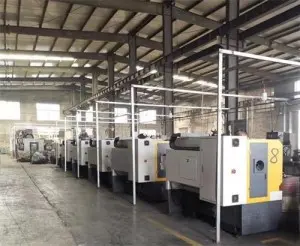
Advanced Wire Braiding Machinery inside the Shandong Hesper Plant

Industry Development & Sourcing Trends

The global fluid transfer industry is shifting toward materials with longer service lives, reduced maintenance needs, and lower carbon footprints. Sourcing strategies are also evolving rapidly:

1. The Transition to Stainless Steel Metallic Conduits

While reinforced rubber and polymer hoses remain essential for many light-duty applications, modern chemical, oil, and gas facilities are increasingly replacing them with stainless steel corrugated hoses. Steel hoses resist dry rot, ozone degradation, and material fatigue, providing a safer long-term choice for conveying hot oil, steam, and volatile gases.

2. Demand for Complete Assemblies and Turnkey Solutions

Modern procurement managers prefer to source fully assembled, pre-tested hoses over loose components. Shandong Hesper supports this shift by welding fittings in-house, conducting hydrostatic pressure tests, and packaging ready-to-install assemblies directly for field deployment.

3. Real-Time Tracking and Material Transparency

Ensuring compliance with environmental and pressure safety regulations is essential for complex infrastructure projects. As an export-focused supplier, we maintain full trace records of raw materials, weld procedures, and heat treatments. This ensures our products meet all safety standards upon arrival at international worksites.

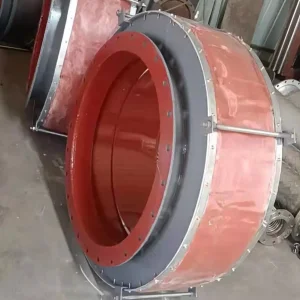
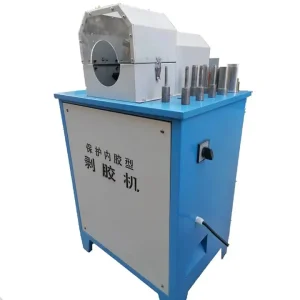
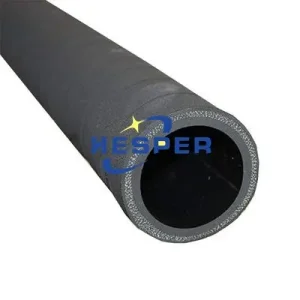
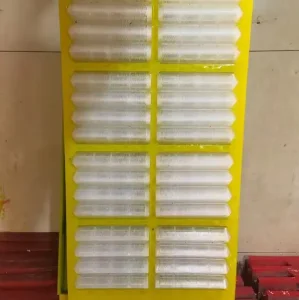
Our Workshop & Production Operations

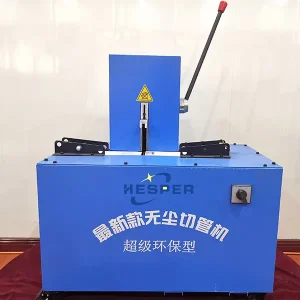
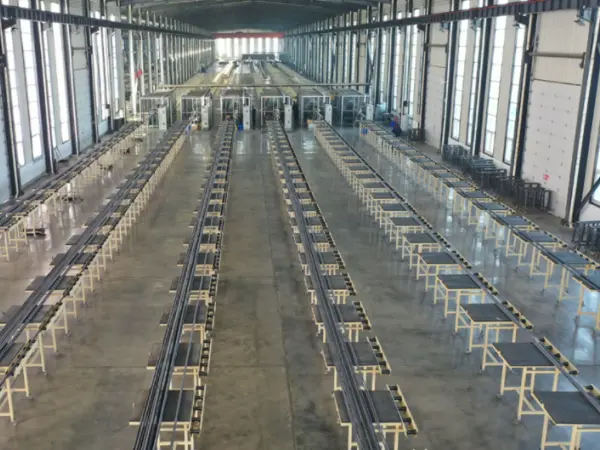
A glimpse inside our specialized production facility, highlighting our advanced machinery and quality control standards.
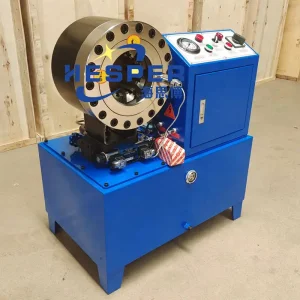
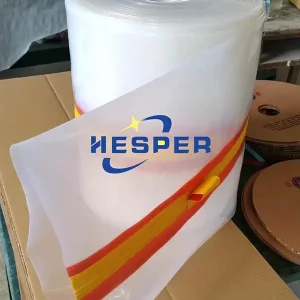
Production Process Image 1
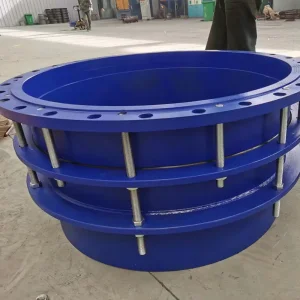
Production Process Image 2
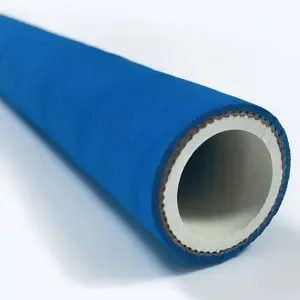
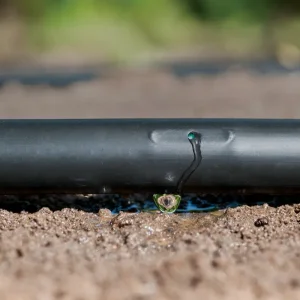
Production Process Image 3
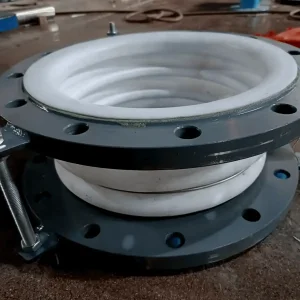
Production Process Image 4

Technical Specifications & FAQ

Answers to common engineering questions regarding the application, sizing, and selection of helical corrugated metal hoses.

Q1: What are the main benefits of using a helical corrugated metal hose over an annular one?
Helical corrugated metal hoses feature a continuous spiral pattern that prevents media stagnation and allows for easier drainage. Additionally, the spiral path guides flowing fluid to reduce turbulence, minimize pressure drops, and handle slight torsional movements better than parallel annular corrugations.
Q2: How does the steel wire braid affect the hose's pressure capability?
The internal metal bellows handles lateral and radial pressure but can elongate axially under internal pressure. The external steel wire braid prevents this axial expansion, significantly increasing the overall working pressure of the assembly. For higher-pressure applications, double-wire braiding can be applied.
Q3: Which stainless steel grades (304, 316L, 321) are recommended for specific environments?
SUS304 is ideal for standard industrial applications, steam, and mild chemicals. SUS316L contains molybdenum, providing superior resistance against pitting and chloride corrosion. SUS321 is stabilized with titanium to prevent carbide precipitation during high-temperature welding and service.
Q4: How do you determine the dynamic versus static bend radius?
The static bend radius is the minimum radius at which a hose can be bent for fixed, permanent installations. The dynamic bend radius applies to installations subject to continuous movement, vibration, or cycling. Operating below the specified dynamic bend radius can cause metal fatigue and premature failures.
Q5: What test standards do your metal hose assemblies conform to?
Our products are designed, manufactured, and tested in accordance with international standards, including ISO 10380 for corrugated metal hoses. All custom assemblies undergo hydrostatic and leak tests at 1.5 times their design pressure before packaging and shipment.